

The global adhesives and sealants market is entering the second half of 2026 with a demand outlook that eclipses any point in the first half. Two construction‑driven engines are now firing simultaneously: a recovery in US residential housing and a re‑awakening of Gulf‑region infrastructure spending. Together, they create a powerful dual demand signal that will shape raw‑material procurement strategies for the next year.
US Housing Recovery: A Catalyst for Construction Chemicals
Mortgage rates in the United States have fallen to a multi‑year low, sparking renewed buyer confidence. The National Association of Realtors projects new‑home sales to rise by roughly five percent in H2 2026. This uptick translates directly into higher consumption of construction materials—insulation systems, flooring adhesives, sealants, and protective coatings—all of which rely on specialty chemicals to deliver performance and durability.
Key Demand Drivers
Construction projects are increasingly adopting advanced adhesives for:
Energy‑efficient insulation requiring high‑performance sealants.
Low‑VOC flooring systems that demand moisture‑resistant bonding agents.
Coatings that provide fire‑resistance and sustainability credentials.
Gulf Infrastructure Reactivation: Shipping Throughput Restores Market Access
Projects stalled during the Hormuz crisis are now re‑accelerating as maritime routes reopen. Improved logistics flow has enabled contractors to resume procurement for commercial real estate, industrial developments, and energy infrastructure. This resurgence is creating a new wave of adhesive demand, particularly for high‑temperature epoxy resins used in power plants and petrochemical facilities.
Impacts on Raw Materials
The Gulf’s return to activity is tightening supply chains for key monomers:
MDI (methylene diphenyl diisocyanate) availability remains constrained due to limited Gulf‑region production lines.
Acrylic monomers are still under pressure as naphtha‑linked feedstocks keep prices elevated.
Epoxy resin producers face volatile economics that can swing margins dramatically.
Supply Constraints and Market Dynamics
Despite the uptick in demand, the adhesives market is confronted with persistent supply bottlenecks:
MDI Market
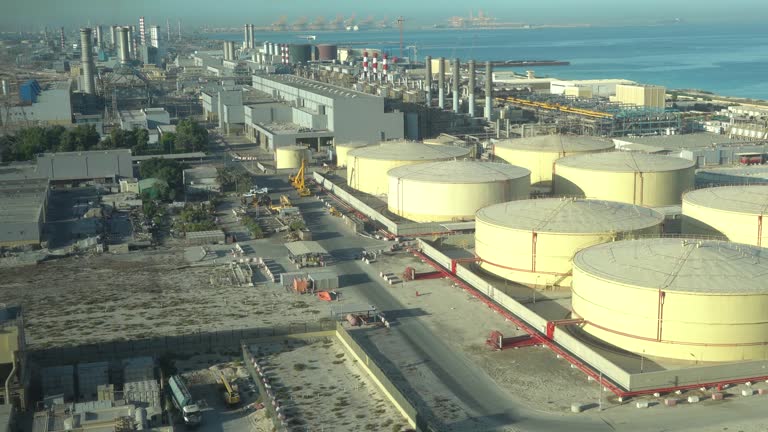
– Production capacity in the Gulf is recovering, but global demand is outpacing supply. Companies that secure early contracts can lock in price stability.
Acrylic Monomers – Feedstock cost volatility is a significant risk. Diversifying sources and exploring alternative monomers can mitigate exposure.
Epoxy Resin Prices – Raw material costs have spiked, but strategic hedging and long‑term contracts can dampen the impact on profitability.
Strategic Procurement for 2026
Procurement teams should consider the following tactics to protect against tightening availability and price swings:
Volume Commitments in Q3 – Securing early purchases locks in supply and often yields better pricing terms.
Supplier Diversification – Engage multiple suppliers across regions to reduce dependence on any single source.
Contractual Flexibility – Incorporate volume‑based price escalators that adjust with raw‑material cost changes.
Inventory Management – Maintain safety stock for critical monomers, especially MDI and epoxy resins, to cushion against supply shocks.
The intersection of a US housing rebound and Gulf infrastructure reactivation presents an unprecedented opportunity for the adhesives and sealants sector. However, supply constraints—particularly in MDI, acrylic monomers, and epoxy resins—necessitate proactive procurement strategies. By securing volume commitments early, diversifying suppliers, and incorporating flexible pricing mechanisms, industry players can navigate the volatile market and capitalize on the robust demand expected in H2 2026.
Acrylonitrile Butadiene Styrene (ABS) CAS: 9003-56-9