

Related Insights

Algal Oil and Marine Bio-Based Ingredients: A Hormuz-Independent Supply Strategy for Food Ingredient Buyers
Fermentation-based marine ingredients such as algal DHA, astaxanthin and beta-glucan offer food manufacturers a more resilient supply chain during periods of global shipping disruption. Procurement teams should understand why production geography matters as much as ingredient performance.

Responsible Care and Supply Chain Ethics: What the 2026 Crisis Reveals About Supplier Responsibility
The 2026 Hormuz crisis became an unexpected test of Responsible Care principles across the chemical industry. This article explains why supplier behaviour during disruptions can provide procurement teams with valuable insight beyond traditional sustainability audits.

The 22,500 Mariners Stranded in the Gulf: What the Hormuz Human Cost Means for Chemical Procurement
More than 22,500 mariners remain stuck on over 1,550 vessels in the Persian Gulf, a human crisis behind every delayed chemical shipment. For procurement teams sourcing from Gulf producers, this is no longer a distant headline but a direct line item in supply chain risk.
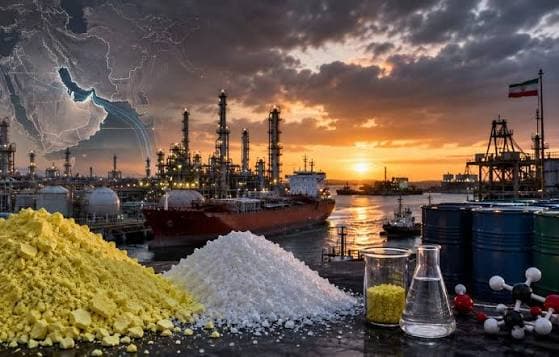
Methanol: Ar-Razi's Suspended Exports and the Japanese JV's Q3 Supply Gap
The suspension of methanol exports from Ar-Razi Saudi Methanol, one of the world’s largest methanol producers and a critical Mitsubishi Gas Chemical joint venture, became one of the most important supply disruptions of the 2026 Hormuz crisis. This week may determine whether improving shipping conditions finally allow commercial supply recovery to begin.
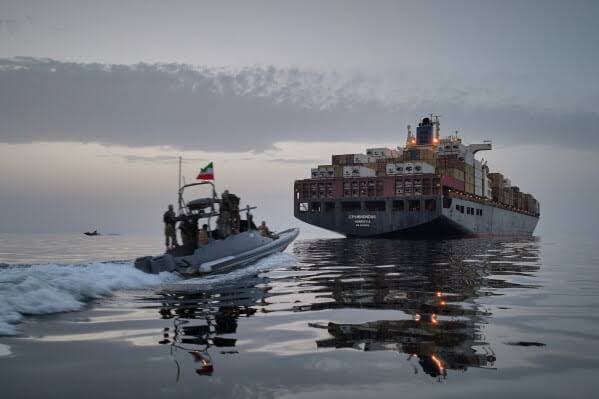
Kpler's 34: What Six Times More Vessel Crossings in One Day Actually Means for Chemical Supply
Kpler confirmed 34 vessel crossings through Hormuz on June 30, a sixfold increase over June’s average daily traffic. For chemical procurement professionals, the number signals the first meaningful Gulf supply recovery in months, but sustained movement over the next 48 hours will determine whether true normalization has begun.
Strait of Hormuz Supply Risk: What Chemical Buyers Should Do Amid Iran Talks Uncertainty
Conflicting statements about Iran negotiations create uncertainty for global chemical procurement teams. The latest Strait of Hormuz supply signals show why buyers should rely on verified logistics data instead of political headlines.
Don't miss out on our updates! Subscribe to our newsletter now
We're committed to your privacy. Tradeasia uses the information you provide to us to contact you about our relevant content, products, and services. For more information, check out our privacy policy.