
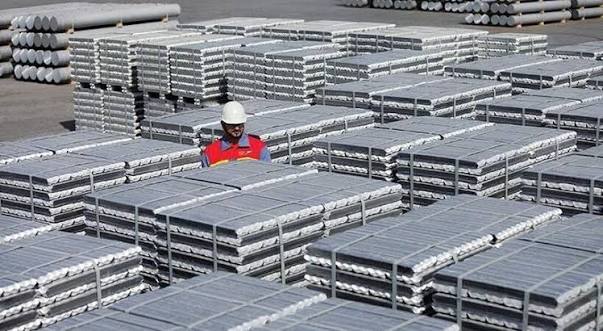
Aluminium Sulfate CAS: 7784-31-8
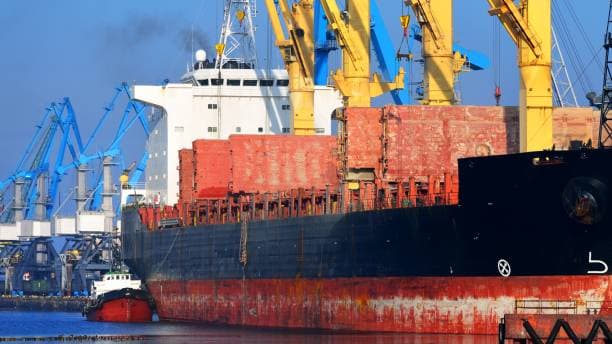
In a surprising shift, President Trump has announced the removal of a proposed 20% toll on ships transiting the Strait of Hormuz. The decision offers temporary relief to shipping companies but is set against a backdrop of heightened geopolitical tensions. Maritime analysts examine how this change could reshape freight costs and chemical logistics for the next quarter.

The withdrawal of P&I insurance during the earlier Hormuz disruption sparked discussion about government-backed insurance solutions for commercial shipping. Chemical procurement and compliance teams should understand how future insurance frameworks could influence freight costs and supply chain resilience.
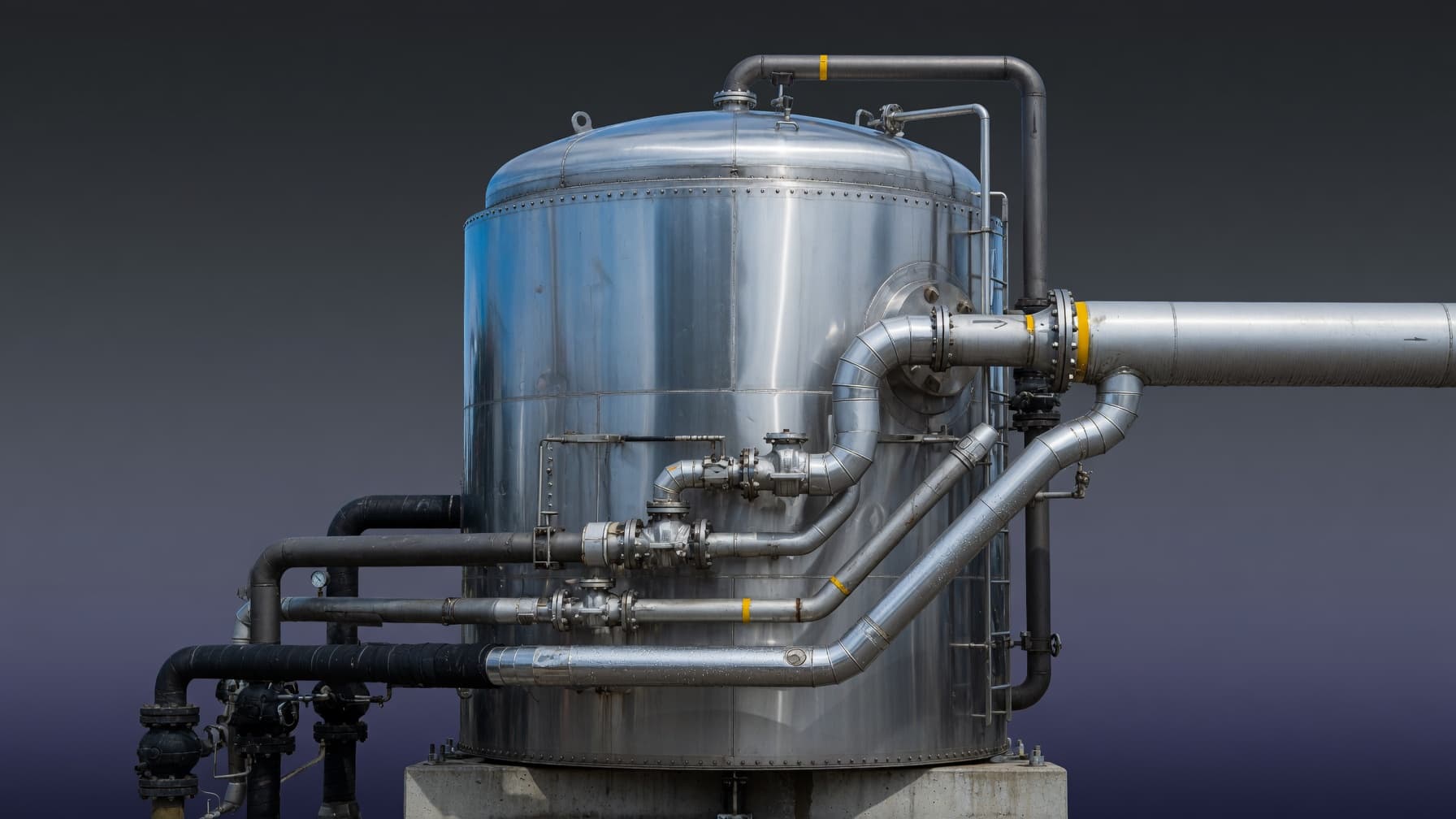
The disruption of naphtha shipments through the Strait of Hormuz has placed renewed pressure on Asia's petrochemical industry. Buyers of olefins, polymers and downstream petrochemicals should reassess feedstock exposure and supplier resilience as market conditions evolve.

The gradual restart of Gulf sulfur exports is expected to improve global sulfur availability and ease sulfuric acid market tightness. Fertilizer, mining, and battery manufacturers should prepare for improving supply conditions during Q3 2026.
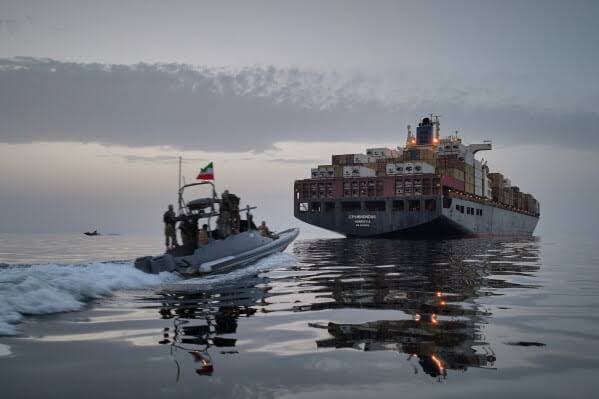
Kpler confirmed 34 vessel crossings through Hormuz on June 30, a sixfold increase over June’s average daily traffic. For chemical procurement professionals, the number signals the first meaningful Gulf supply recovery in months, but sustained movement over the next 48 hours will determine whether true normalization has begun.
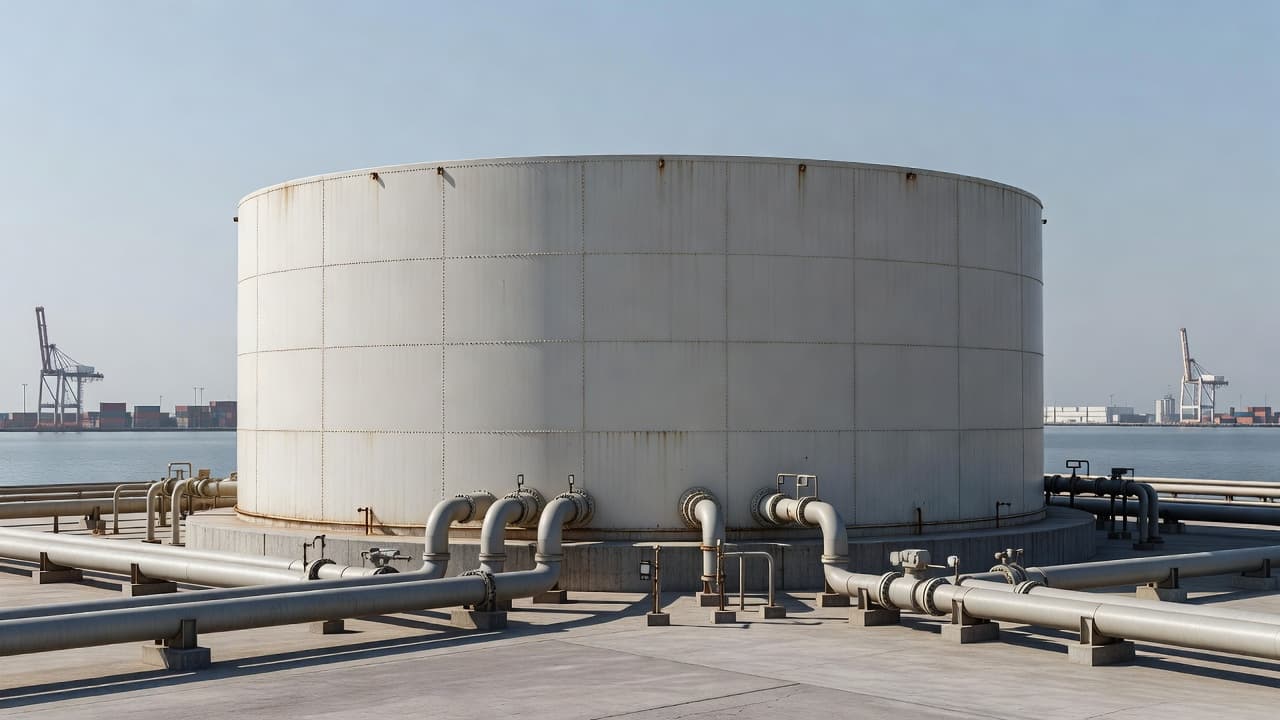
Chemical supply chains depend on stable trade routes, diplomatic channels and predictable negotiations. The Oman crisis shows how quickly geopolitical decisions can affect sourcing strategies, supplier confidence and procurement planning.
We're committed to your privacy. Tradeasia uses the information you provide to us to contact you about our relevant content, products, and services. For more information, check out our privacy policy.