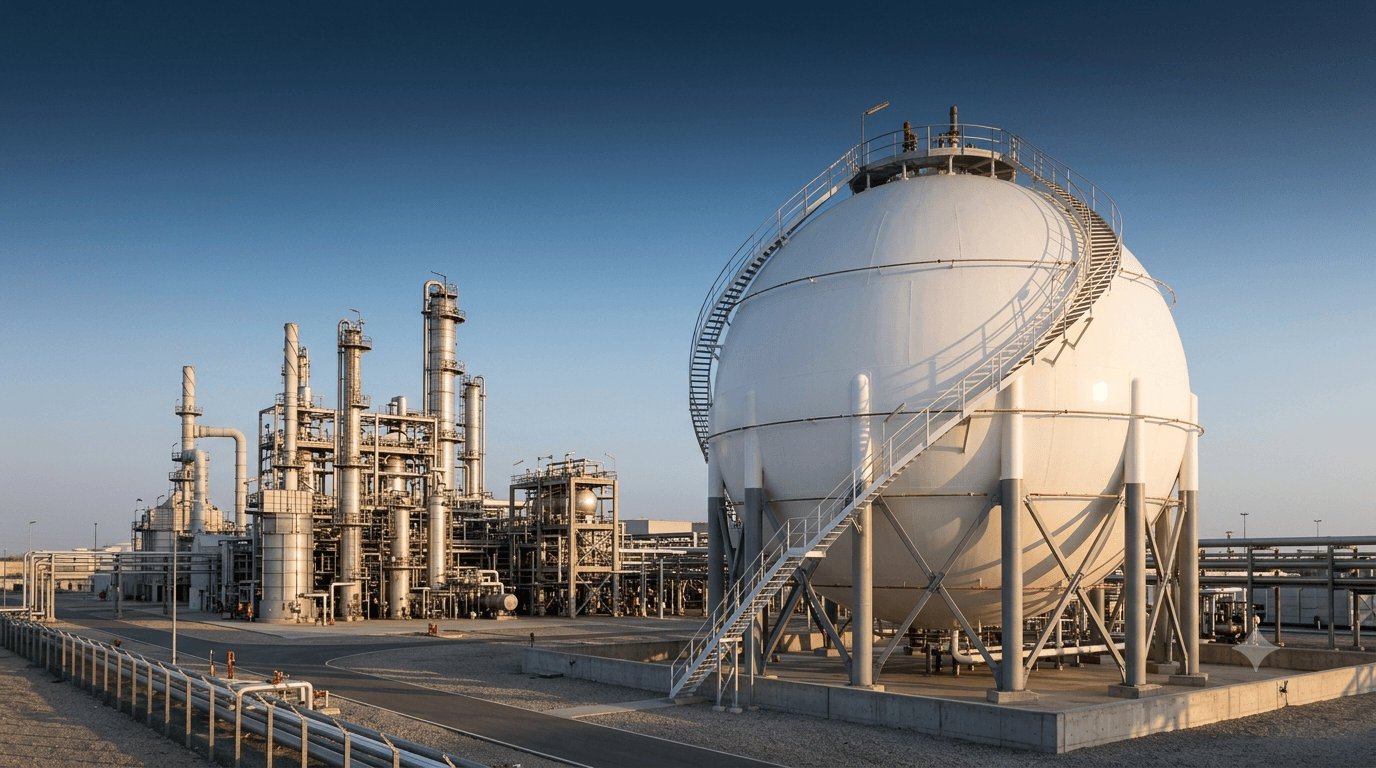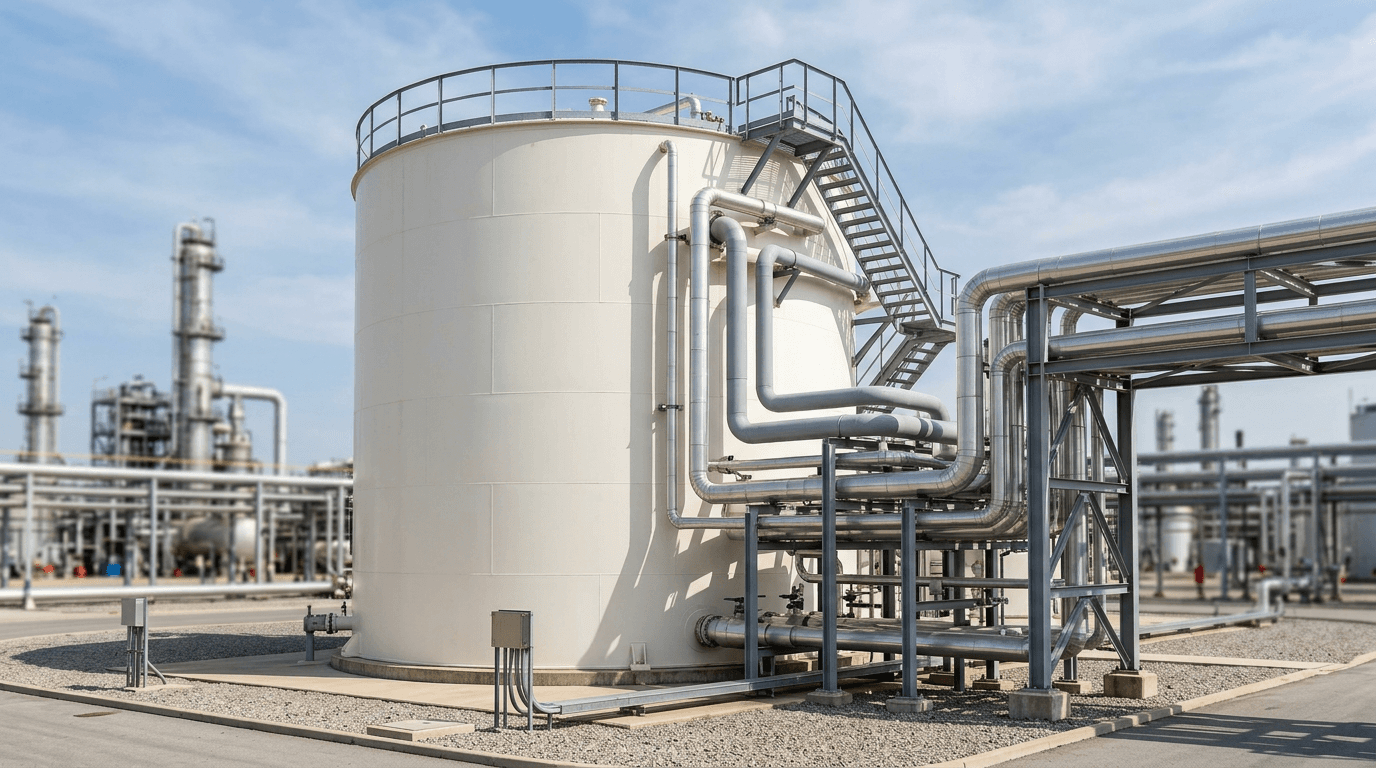
The Strait of Hormuz disruption created one of the largest supply shocks energy markets have faced in recent years, affecting around 20% of global oil supply flows. Yet oil prices have not reached the extreme levels many expected, partly because temporary supply buffers and strategic reserves have absorbed some pressure.
For chemical buyers, the bigger question is not only when oil flows return, but how quickly chemical supply chains recover. A reopened shipping route does not instantly restart crackers, refill inventories or reduce prices. The recovery process will move through several stages, creating different opportunities and risks for procurement teams.
Why Hormuz Matters for Chemical Markets
The Strait of Hormuz connects major Middle East energy exporters with global markets. A prolonged disruption affects crude oil, refinery operations and petrochemical feedstocks that support thousands of chemical products.
Many chemical chains depend on stable access to:
Naphtha, a major feedstock for producing ethylene and other petrochemicals.
Ethane and other gas-based inputs used in regional cracker operations.
Polymer supply routes connecting Middle Eastern producers with buyers across Asia, Europe and Africa.
Maritime logistics networks that move bulk chemicals and industrial materials.
When energy flows become uncertain, producers often protect inventories and adjust operating rates. This can tighten chemical availability even before physical shortages appear.
What Happens During the First Two Weeks After Reopening
The first stage after a Hormuz reopening focuses on logistics recovery. Tankers, cargo vessels and shipping operators need time to return to normal schedules.
During week one to week two, chemical buyers can expect:
Tanker repositioning as vessels move back into regular trade routes.
Gradual improvement in freight availability.
Reduced immediate pressure on shipping uncertainty.
Continued elevated chemical inventories as companies wait for supply confirmation.
This period may create a gap between market expectations and actual supply improvement. Buyers may see improving sentiment before they see meaningful changes in chemical availability.
How Cracker Restarts Could Change Chemical Availability
The third to sixth week after reopening represents a more important phase for chemical markets. Producers need time to restart facilities, restore feedstock supply and balance production schedules.
Petrochemical crackers cannot instantly return to maximum output because operators must complete inspections, secure raw materials and manage technical conditions.
During this period:
Ethylene and propylene supply may gradually improve.
Polymer producers may increase operating rates.
Spot market availability could recover faster than contract markets.
Regional price differences may remain significant.
Chemical buyers should focus on supply confirmation rather than assuming immediate price declines. Production recovery depends on each facility and region.
The Inventory Rebuild Phase: Weeks Seven to Twelve
Once production begins recovering, the next challenge becomes inventory rebuilding. During supply disruptions, many companies reduce stock levels to manage uncertainty.
The inventory rebuild phase may increase demand temporarily because producers, distributors and industrial users all attempt to restore normal safety stocks.
Key market effects may include:
Stronger short-term purchasing activity.
Gradual improvement in delivery reliability.
More supplier competition as available volumes increase.
Slower price reductions than expected because demand remains active.

When Chemical Prices Could Normalise
The fourth to sixth month after reopening represents the period when chemical markets may move closer to normal conditions. By this stage, shipping networks should improve, producers may restore output and inventory levels may become more balanced.
However, price normalisation does not always mean prices return to previous levels. Several factors can influence the final outcome:
Global oil demand growth.
Producer cost structures.
Regional supply and demand balances.
Transportation expenses.
Long-term contract pricing mechanisms.
The Energy Information Administration expects global oil demand to recover with growth of approximately 2.5 million barrels per day in 2027, reaching around 105.3 million barrels per day. This demand growth could continue influencing energy-linked chemical costs.
What Procurement Teams Should Watch During Recovery
Chemical buyers need to manage the transition period carefully. Market recovery often creates both opportunities and uncertainty because prices may move before physical supply fully stabilises.
Procurement teams should consider:
Reviewing current contracts before market conditions shift.
Securing supply agreements during periods of improving availability.
Comparing regional suppliers to identify better sourcing options.
Tracking feedstock prices alongside finished chemical prices.
Avoiding excessive inventory decisions based only on short-term market signals.
Companies that maintained supply flexibility during disruption may have stronger negotiation positions during recovery.
Why Long-Term Contracts Could Create an Advantage
Buyers that secured long-term agreements before reopening conditions improved may benefit from more predictable pricing structures. These contracts can protect companies from sudden demand increases during the rebuilding phase.
However, contract strategy requires balance. Buyers need enough flexibility to benefit from falling prices while maintaining reliable supply access.
The most effective approach combines:
Strategic supplier partnerships.
Flexible purchasing volumes.
Regular market monitoring.
Multiple sourcing channels.
Looking Ahead to 2027: What Chemical Buyers Should Prepare For
The reopening of the Strait of Hormuz may begin a gradual shift toward more stable chemical markets, but the recovery timeline will define the actual impact. The industry will move through logistics recovery, production restarts, inventory rebuilding and eventual price adjustment.
For procurement teams, the key lesson is that supply chain recovery happens in stages. Companies that monitor each stage and adjust sourcing strategies early will be better positioned as markets rebalance.
The next phase of chemical trading will reward buyers who combine market intelligence with strong supplier relationships. Ready to source Styrene Monomer from verified global suppliers? Explore competitive offers on our platform today.
Borax Anhydrous (Technical Grade) - Argentina CAS: 1330-43-4