Unlike many commodity and specialty chemical markets that were heavily influenced by the Strait of Hormuz disruption, electronic chemicals continue to face supply constraints driven by a completely different factor—rapid global semiconductor expansion. The accelerating investment in artificial intelligence, cloud computing, advanced electronics, and data centers has created sustained demand for ultra-high-purity chemicals used throughout semiconductor manufacturing.
As broader petrochemical markets begin to stabilize with improving Gulf logistics, procurement teams should recognize that electronic-grade chemicals operate under their own market dynamics. Supply remains constrained by limited production capacity, strict purity requirements, and expanding wafer fabrication facilities rather than geopolitical shipping disruptions. As a result, buyers should continue prioritizing long-term supply security over expectations of lower spot prices.
Why Electronic Chemicals Are Different
Most industrial chemical markets closely follow crude oil prices, feedstock availability, and transportation costs.
Electronic chemicals, however, are primarily influenced by:
Semiconductor fabrication capacity
AI processor demand
Advanced chip manufacturing
Purity specifications
Long qualification cycles
Limited global production capacity
This means improvements in shipping or petrochemical feedstocks have only a limited effect on electronic-grade chemical availability.
AI Is Driving Structural Demand
The rapid expansion of AI infrastructure has significantly increased semiconductor production worldwide.
Growing investment in:
AI data centers
High-performance computing
Advanced memory chips
Automotive electronics
Consumer electronics
Industrial automation
continues to increase demand for high-purity process chemicals used during wafer fabrication.
Each new semiconductor fabrication facility requires substantial volumes of electronic-grade acids, oxidizers, solvents, and cleaning chemicals throughout production.
Ultra-Pure Hydrogen Peroxide Remains Tight
Electronic-grade hydrogen peroxide is one of the most critical wet-process chemicals used during semiconductor manufacturing.
Applications include:
Wafer cleaning
Oxide removal
Surface preparation
Particle contamination control
Recent production rationalization, including the closure of certain peroxide manufacturing facilities in Europe, has further tightened global availability, limiting opportunities for additional supply.
Specialty Acids Continue to See Strong Demand
Semiconductor manufacturers rely on ultra-high-purity acids for precision manufacturing.
Major products include:
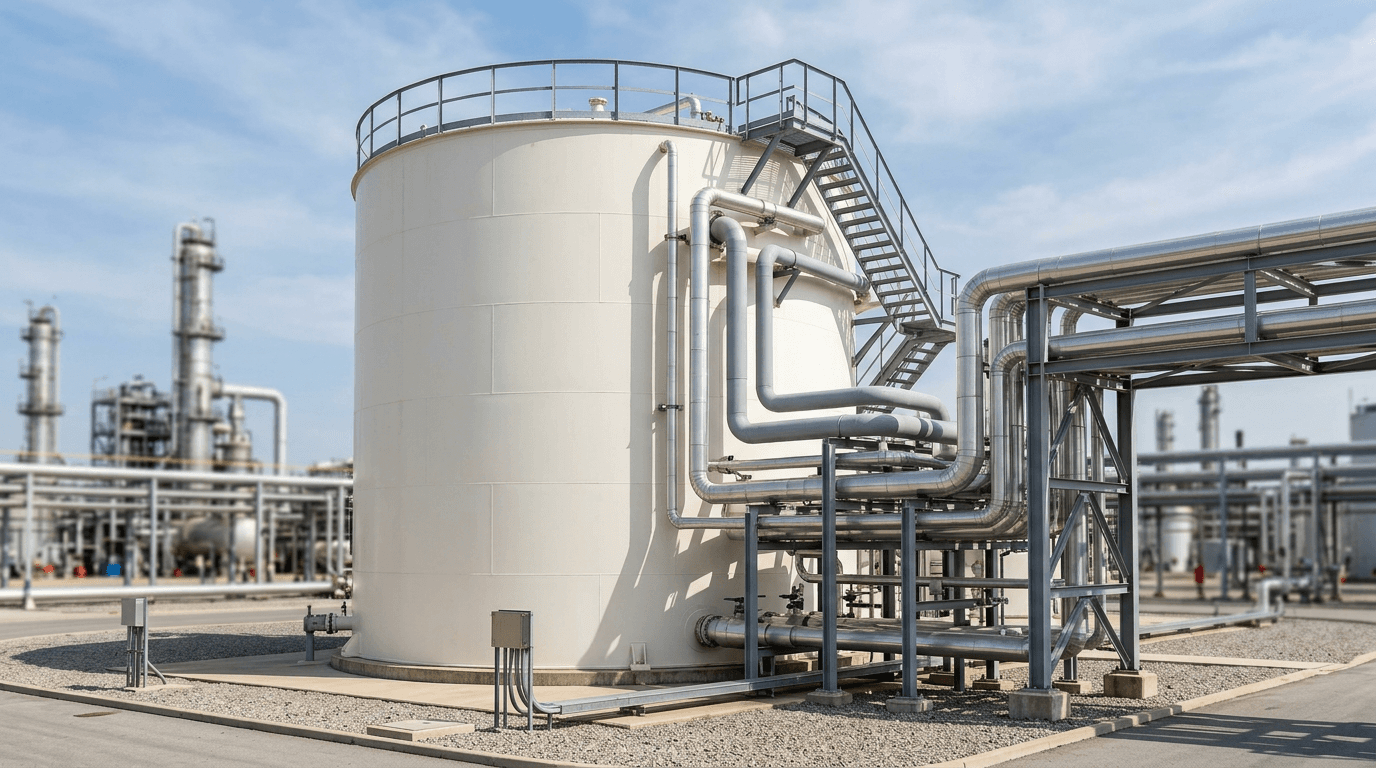
Sulfuric Acid
Hydrochloric Acid
Hydrofluoric Acid
Nitric Acid
These chemicals require impurity levels measured in parts per billion, making production significantly more complex than conventional industrial grades.
Because of strict qualification requirements, buyers rarely switch suppliers quickly, supporting long-term contractual purchasing.
Hydrochloric Acid (33%) - India CAS: 7647-01-0
Photoresists and Etchants Remain Strategic Materials
Photoresists enable circuit pattern formation during photolithography, while specialty etchants selectively remove materials during chip fabrication.
Demand for these products continues to grow alongside:
Smaller semiconductor nodes
Advanced packaging
AI accelerator chips
High-bandwidth memory
Logic semiconductor production
Their specialized manufacturing processes also limit rapid capacity expansion.
Procurement Strategy for July 2026
Semiconductor manufacturers and electronic chemical distributors should focus on supply security rather than expecting broad market corrections.
Recommended actions include:
Secure annual supply agreements.
Confirm supplier production allocations.
Diversify qualified suppliers where possible.
Increase safety stock for critical electronic-grade chemicals.
Monitor plant maintenance schedules.
Maintain close communication with key manufacturers.
These measures help reduce exposure to future capacity shortages.
Supply Security Will Remain the Priority
Unlike commodity chemicals, electronic-grade materials cannot easily be replaced by alternative suppliers.
Changing suppliers often requires:
Extensive product qualification
Process validation
Customer approval
Production testing
Quality audits
This creates long lead times before alternative sources can be adopted, reinforcing the importance of dependable long-term partnerships.
Market Outlook
The electronic chemicals market is expected to remain structurally tight throughout the remainder of 2026. Continued AI infrastructure investment, semiconductor capacity expansion, and stringent purity requirements will sustain strong demand for electronic-grade hydrogen peroxide, specialty acids, photoresists, and process chemicals.
Although broader chemical markets may benefit from lower crude prices and recovering Gulf logistics, semiconductor chemicals are unlikely to experience the same degree of price correction or supply easing. Procurement teams that secure annual contracts, diversify qualified suppliers, and prioritize supply continuity will be best positioned to support uninterrupted semiconductor production.
Key Takeaways
Electronic chemical demand is driven by semiconductor growth rather than Hormuz-related logistics.
AI data centers continue to increase demand for ultra-high-purity process chemicals.
Electronic-grade hydrogen peroxide remains in a structurally tight market.
Specialty acids, photoresists, and etchants continue to face strong demand.
Limited production capacity and strict purity standards restrict rapid supply expansion.
Annual supply agreements remain the preferred procurement strategy.
Spot market availability is expected to remain limited throughout 2026.
Long-term supplier relationships remain essential for semiconductor manufacturers.