
Related Insights

EU Carbon Permits Reach a 23-Week High: What It Means for Chemical Emissions Compliance Costs
EU carbon permit prices have climbed to a 23-week high, adding a new variable to emissions compliance cost planning. Chemical manufacturers and procurement teams should reassess carbon exposure, operating costs and long-term sourcing strategies.
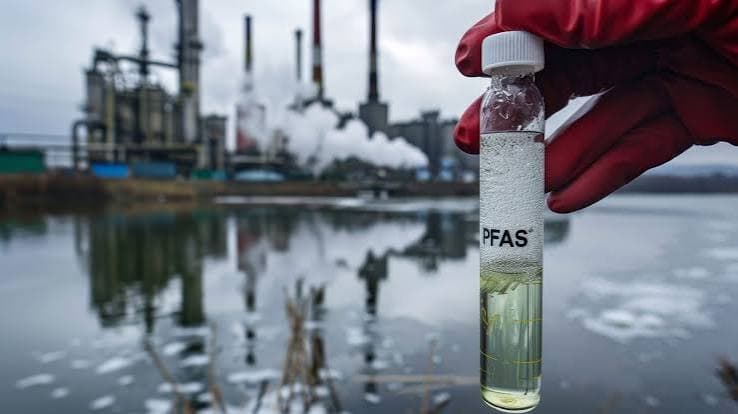
PFAS Policy Divergence: Federal Rollback vs State Acceleration
Federal EPA proposals would rescind selected PFAS drinking-water limits while several states continue expanding product bans, labels, and reporting duties. Chemical companies with national distribution need dual-track monitoring, destination-specific compliance records, and stronger supplier data controls.

Responsible Care Performance KPIs: Why 2026 Crisis Data Requires More Context Than Ever
Responsible Care performance indicators remain essential for supplier evaluation, but crisis conditions can influence operational results. This article explores how procurement and ESG teams can interpret 2026 KPI data with appropriate context while maintaining rigorous supplier assessments.

EU REACH Omnibus: What Has Been Proposed and What the Timeline Looks Like
The proposed EU REACH Omnibus revision remains one of the most closely watched regulatory developments for the chemical industry. This guide explains the legislative process, the current stage of the proposal and what procurement teams should monitor as the revision progresses.
TSCA Week Two: How Chemical Companies Are Managing the Post-Fee-Expiry Transition
Two weeks after TSCA's fee authority expired, chemical companies are adapting to longer PMN review timelines and changing compliance priorities. Learn how to prepare your regulatory strategy.
CBAM Transition: Post-Hormuz Energy Cost Normalization in Europe Partially Offsets Carbon Border Pressure
A 2026 Renewable Carbon Initiative study highlights ongoing EU policy gaps affecting bio-based chemicals. Despite circular economy ambitions, inconsistencies in sustainability definitions, certification frameworks, and CBAM treatment continue to create uncertainty for renewable carbon investment decisions.
Don't miss out on our updates! Subscribe to our newsletter now
We're committed to your privacy. Tradeasia uses the information you provide to us to contact you about our relevant content, products, and services. For more information, check out our privacy policy.