Introduction
The global chemical industry is witnessing a seismic shift in its value chain. Two ASEAN economies, Vietnam and Indonesia, are emerging as pivotal players, offering a compelling alternative to China’s traditional dominance. Their combined strengths in downstream processing, formulation, and battery‑materials supply are attracting investment and reshaping regional supply chains.
Vietnam: A Specialty Chemical Magnet
Strategic Positioning
Vietnam’s government has launched a “Chemical Innovation Corridor” initiative, providing tax incentives, streamlined permitting, and access to a skilled workforce. This policy environment is attracting multinational specialty chemical firms seeking a low‑cost, high‑quality production base.
Key Investment Sectors
- Pharmaceutical intermediates – Leveraging the country’s robust pharmaceutical sector.
- Co‑polymers – Supporting the growing demand for high‑performance plastics.
- Green chemistry – Aligning with global sustainability trends.
Supply‑Chain Advantages
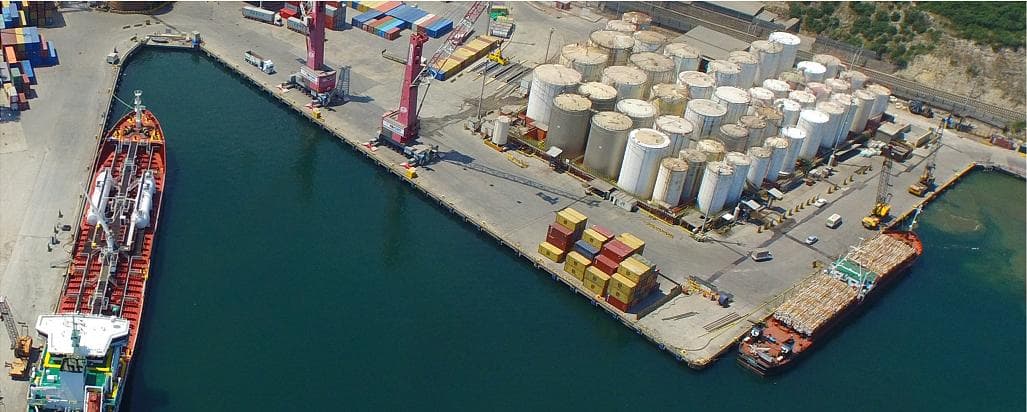
Vietnam’s proximity to major shipping lanes, coupled with its port infrastructure, ensures rapid distribution across Southeast Asia and beyond. The country also benefits from the ASEAN Free Trade Area, which reduces tariff barriers for downstream manufacturers.
Indonesia: Nickel Processing and Battery Materials Hub
Nickel Boom Overview
Indonesia’s abundant nickel reserves have positioned it at the forefront of the battery‑materials supply chain. The government’s “Green Energy Roadmap” mandates a shift toward electric vehicles (EVs), fuelling demand for high‑purity nickel cathode materials.
Processing Capabilities
Local manufacturers have invested heavily in hydrometallurgical and pyrometallurgical plants, achieving production capacities of over 1.5 million tonnes of nickel sulfate annually. These facilities are now capable of supplying the world’s largest battery producers.
Downstream Benefits
- Reduced raw‑material costs for battery chemists.
- Enhanced control over supply‑chain resilience.
- Opportunities for co‑development of next‑generation cathodes.
Comparative Analysis: Vietnam vs. Indonesia
Cost Structures
Vietnam offers a lower labor cost per unit of specialty chemical output compared to Indonesia, which is offset by Indonesia’s higher capital expenditure in nickel processing.
Regulatory Environment
Both countries provide favorable tax regimes, but Indonesia’s recent “Sustainable Mining” policy imposes stricter environmental standards that may increase compliance costs.
Export Logistics
Vietnam’s Saigon and Hai Phong ports are integral to the China‑Taiwan‑Japan corridor, while Indonesia’s Surabaya and Batam ports serve as gateways to the broader Indo‑Pacific.
Implications for Global Supply Chains
- Risk Diversification – Shifting away from China reduces geopolitical exposure.
- Innovation Acceleration – Vietnam’s specialty chemicals foster R&D in biodegradable polymers.
- Battery Supply‑Chain Resilience – Indonesia’s nickel processing stabilizes cathode material availability.
Strategic Recommendations for B2B Partners
- Explore joint ventures in Vietnam’s specialty chemical parks.
- Invest in Indonesia’s nickel‑processing capacity to secure long‑term supply contracts.
- Leverage ASEAN trade agreements to minimize tariff impacts.
- Prioritize ESG compliance to meet global sustainability benchmarks.
Conclusion
Vietnam and Indonesia are not merely emerging markets; they are strategic partners reshaping the chemical industry’s future. By capitalizing on their unique strengths—Vietnam’s specialty chemistry and Indonesia’s nickel‑processing—global businesses can secure cost advantages, supply‑chain resilience, and sustainable growth.