
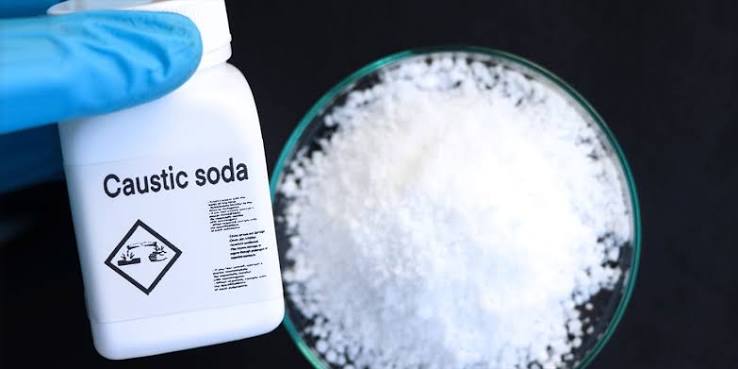
Caustic Soda Flakes CAS: 1310-73-2
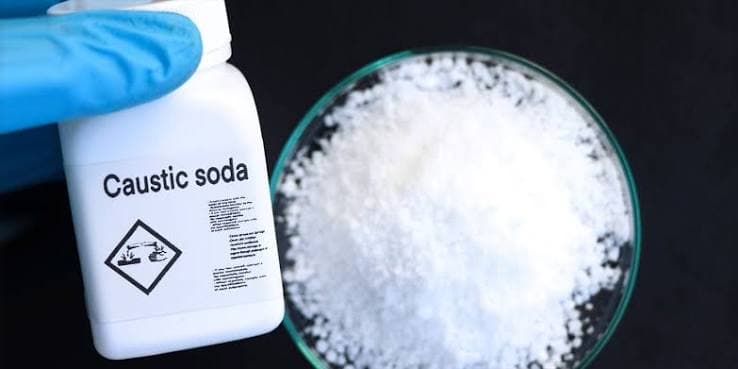
Caustic Soda Flakes CAS: 1310-73-2

The return of Gulf n-paraffin exports could reshape LABSA pricing and regional competition. Learn how detergent manufacturers can prepare for a more competitive supply market.

Iran’s proposed Hormuz transit fees could add $500–750 million annually to global chemical trade costs, creating a permanent landed‑cost increase for Gulf‑origin chemicals. This article analyzes the fee structure, its impact on petrochemical freight risk, and strategies for 2026 chemical procurement.
Jordan's pharmaceutical API exports are showing signs of recovery as regional shipping conditions improve. Buyers dependent on antibiotic APIs should use July to verify logistics, rebuild inventories and secure Q3 supply agreements. This guide evaluates logistics recovery, procurement risks and outlines actionable Q3 sourcing strategies.

US polyethylene continues to benefit from a structural ethane feedstock advantage, but delivered cost tells a more complex story. This analysis examines freight, regional supply shifts and sourcing strategies that procurement teams should evaluate before placing Q3 and Q4 purchase orders.
India duty waiver expiry is creating urgent decisions for chemical importers and manufacturers as the customs exemption deadline approaches. Buyers must assess possible cost increases across key petrochemical products and adjust Q3 sourcing strategies.
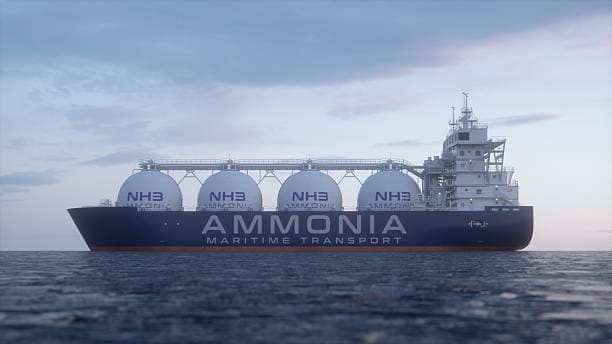
FACT India’s new 2026 ammonia tender marks a decisive move toward formula‑linked contracts, offering stability in a market plagued by volatile fertilizer prices. This long‑duration deal signals a strategic shift in fertilizer procurement, providing a predictable pricing framework for the next decade.
We're committed to your privacy. Tradeasia uses the information you provide to us to contact you about our relevant content, products, and services. For more information, check out our privacy policy.