


Borax Decahydrate (Technical Grade) - Argentina CAS: 1303-96-4

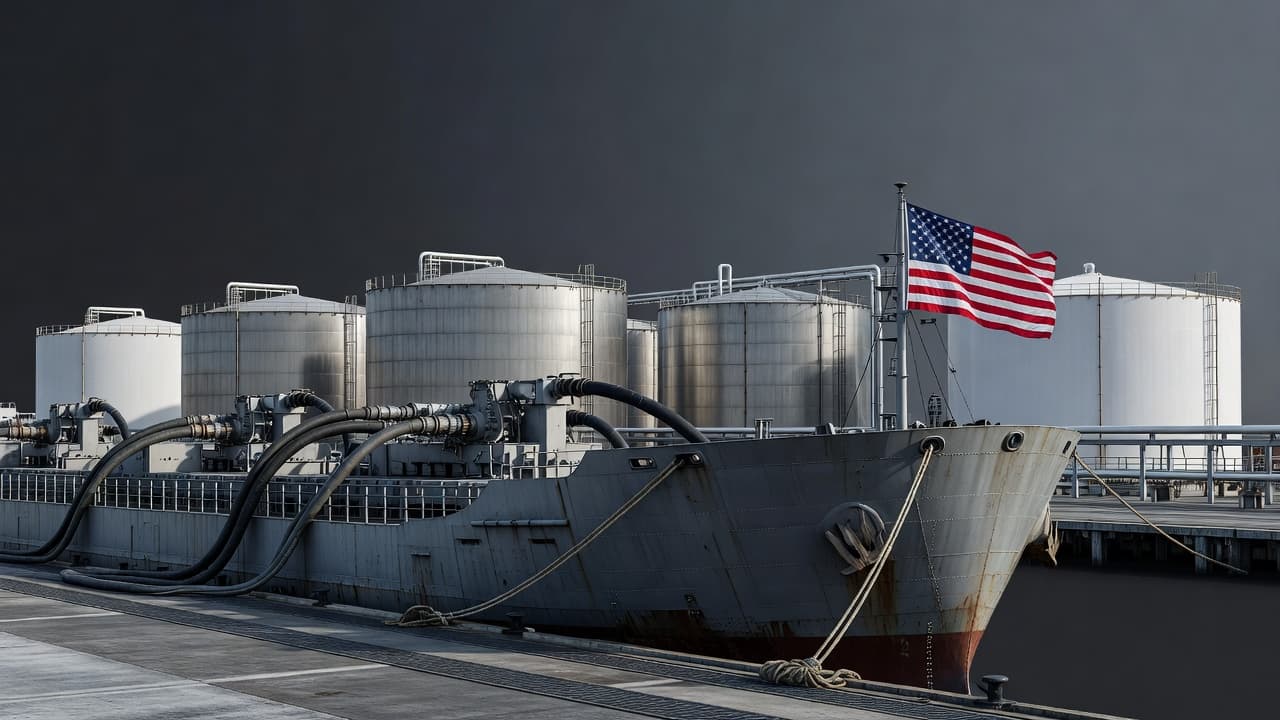
A previous 60-day Jones Act waiver eased fertilizer and petroleum transport during supply chain disruption. Chemical procurement and compliance teams should understand how similar regulatory measures could influence domestic logistics, freight availability and contingency planning.

Lower energy costs continue to give US chemical producers a significant competitive advantage over many European and Asian rivals. This guide explains how the ethane advantage works, why it matters for commodity chemical procurement and where its competitive limits begin.

Venator Materials’ looming debt restructuring could reduce European TiO2 output, tightening supply for coatings, plastics, and paper. With Gulf feedstock constraints and high shipping costs, the industry faces higher lead times and costs. Buyers must now assess supplier stability as a core procurement factor.

The 60-day diplomatic window following the June 2026 MoU is becoming a key milestone for green ammonia investments. Developers and industrial buyers are closely monitoring project timelines, supply security, and future procurement opportunities.
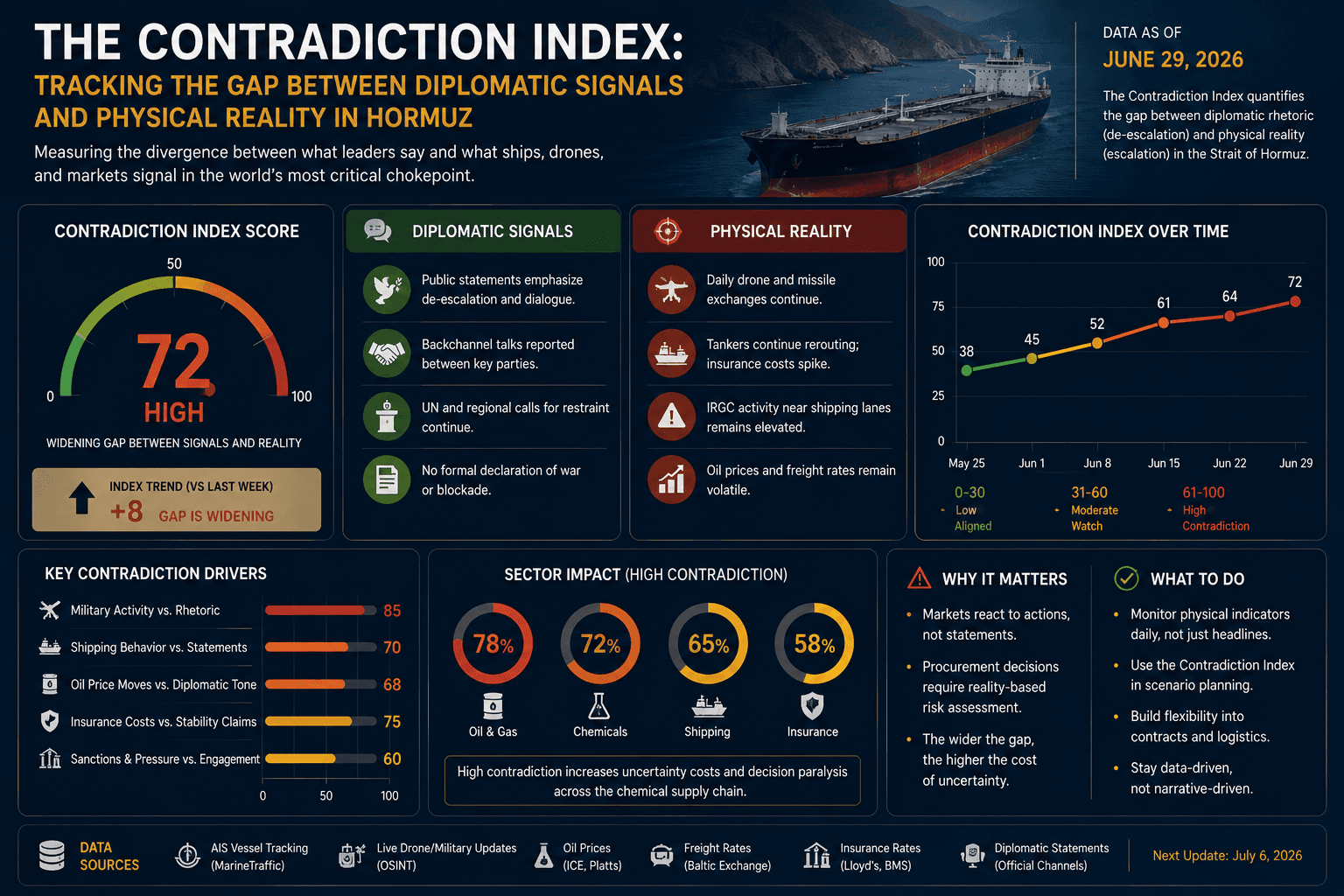
July 1 reveals the biggest contradiction of the Hormuz crisis so far: diplomacy suggests progress, but physical shipping data shows continued disruption. For chemical procurement professionals, understanding the gap between political signals and operational reality has become essential for making correct supply chain decisions.

Ammonia availability in Q3 2026 is rebounding, shifting power back to sellers. Indian buyers, once dominant in phosphoric acid pricing, now face tighter margins and less bargaining room. Learn how supply dynamics reshape fertilizer procurement strategies.
We're committed to your privacy. Tradeasia uses the information you provide to us to contact you about our relevant content, products, and services. For more information, check out our privacy policy.