
Related Insights
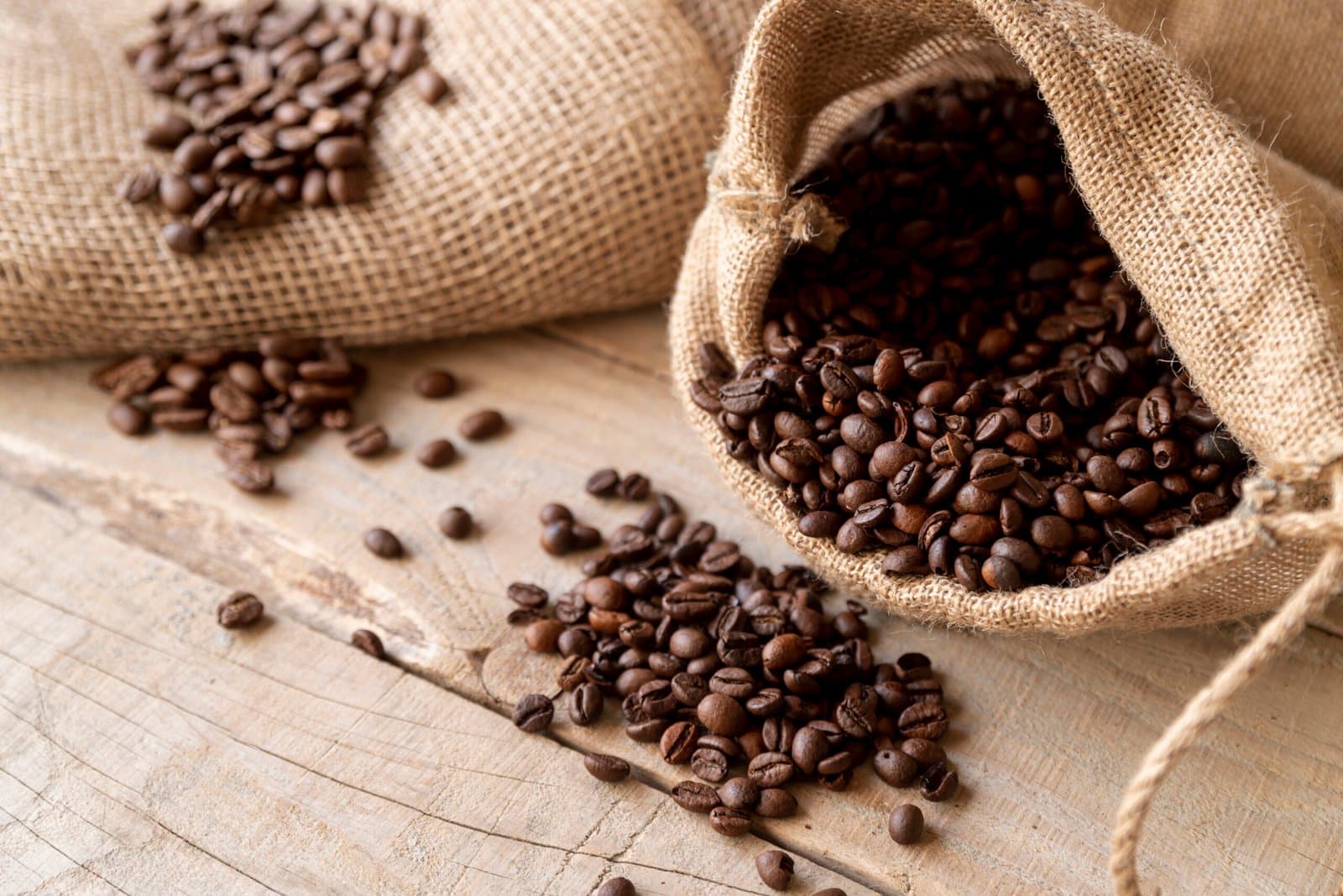
DAP Prices Signal Tight Phosphate Trade
The recent persistence of DAP price strength underscores a tightening phosphate supply chain, heightened global fertilizer demand, and growing procurement risks for agriculture stakeholders. As phosphate trade remains constrained, buyers must reassess sourcing strategies amid volatile market conditions.
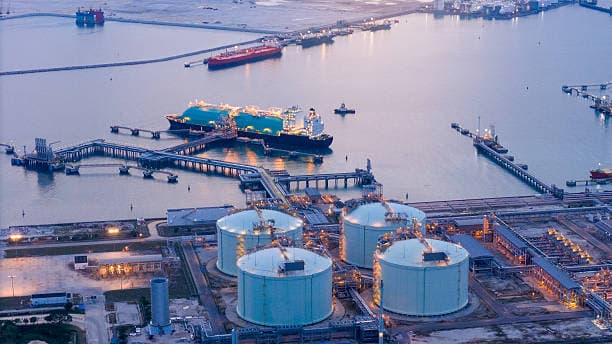
Adhesive Raw Materials and the Velogy Transition: What EVA, VAM and Acrylic Acid Buyers Need to Know
The transfer of LyondellBasell's European assets to Velogy has introduced fresh uncertainty for buyers of adhesive raw materials. Procurement teams sourcing European EVA, VAM and acrylic acid should closely monitor production plans at the French and German cracker sites.
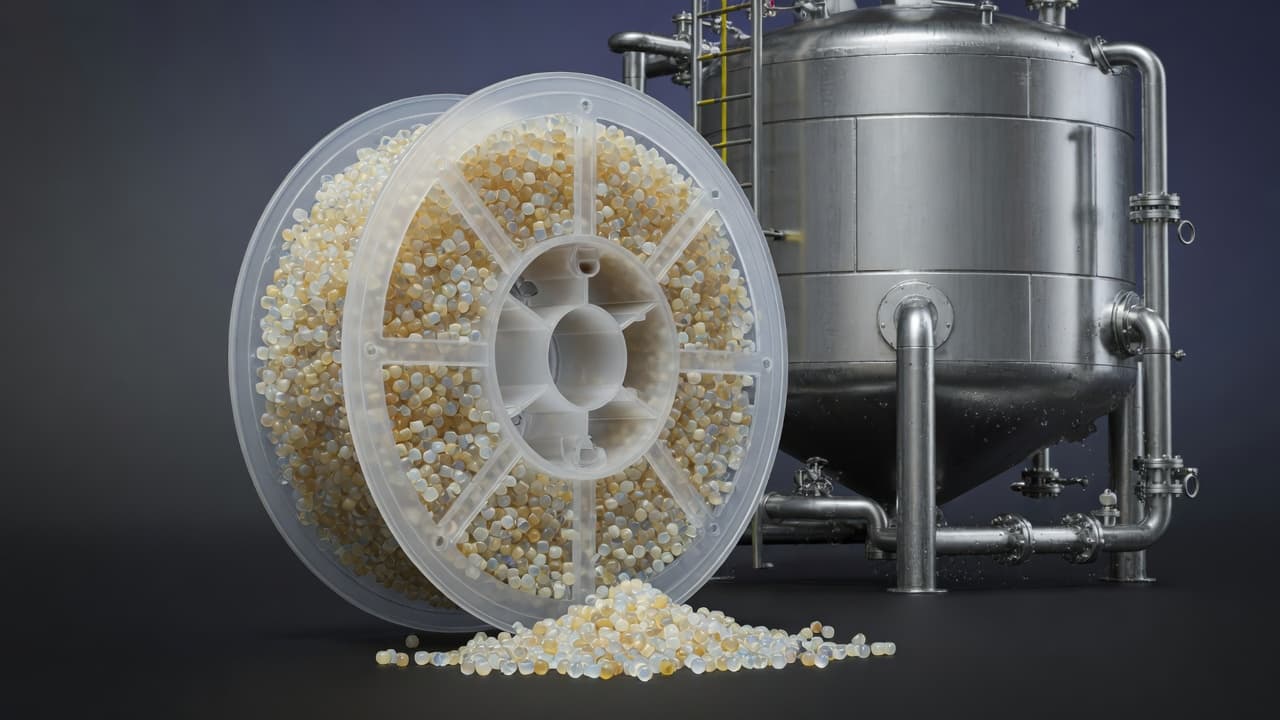
LABSA Market 2026: Indian Surge vs Gulf Resurgence
The detergent chemical sector faces a pivotal reset as Gulf‑origin n‑paraffin supplies recover, challenging Indian LABSA producers who expanded output during H1 2026. The July price battle will test whether Gulf logistics can outpace Indian‑origin LABSA on landed cost. This article analyses the dynamics and forecasts the competitive outcome.
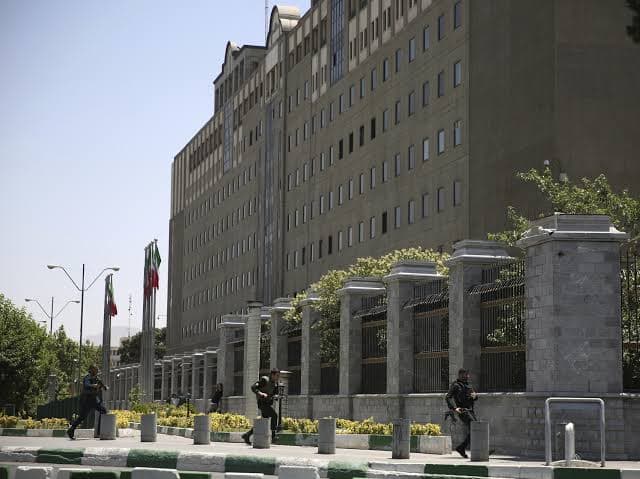
Iran Country Watch: The Internal Contradiction Between Diplomacy, Security and Parliament
Iran enters H2 2026 presenting three distinct institutional positions on diplomacy, maritime security and international engagement. For chemical buyers, understanding these competing policy signals is becoming as important as monitoring production capacity or sanctions compliance.
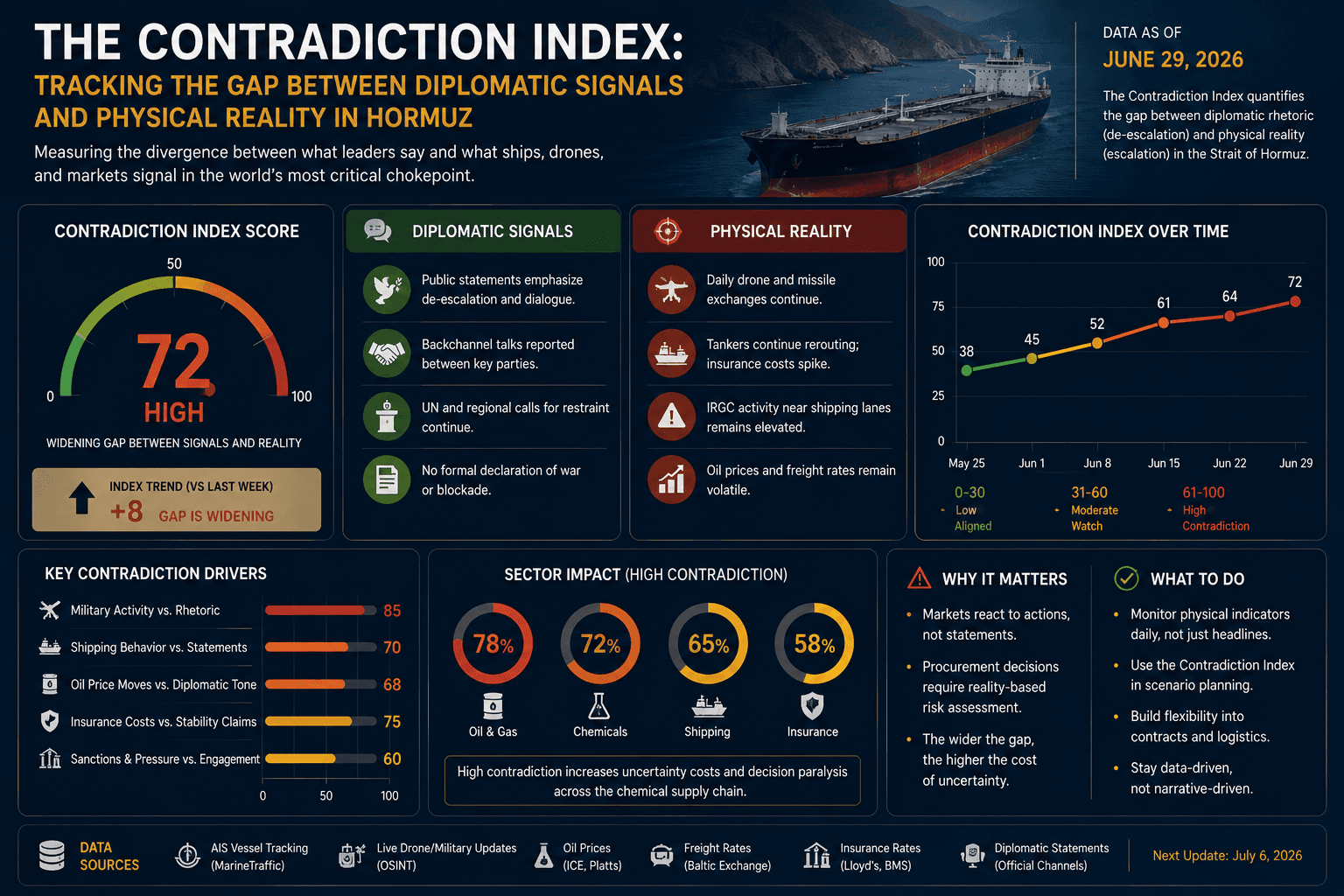
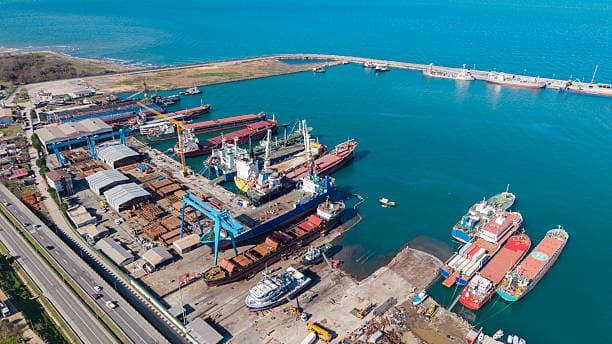
The Contradiction Index: Tracking the Gap Between Diplomatic Signals and Physical Reality in Hormuz
July 1 reveals the biggest contradiction of the Hormuz crisis so far: diplomacy suggests progress, but physical shipping data shows continued disruption. For chemical procurement professionals, understanding the gap between political signals and operational reality has become essential for making correct supply chain decisions.
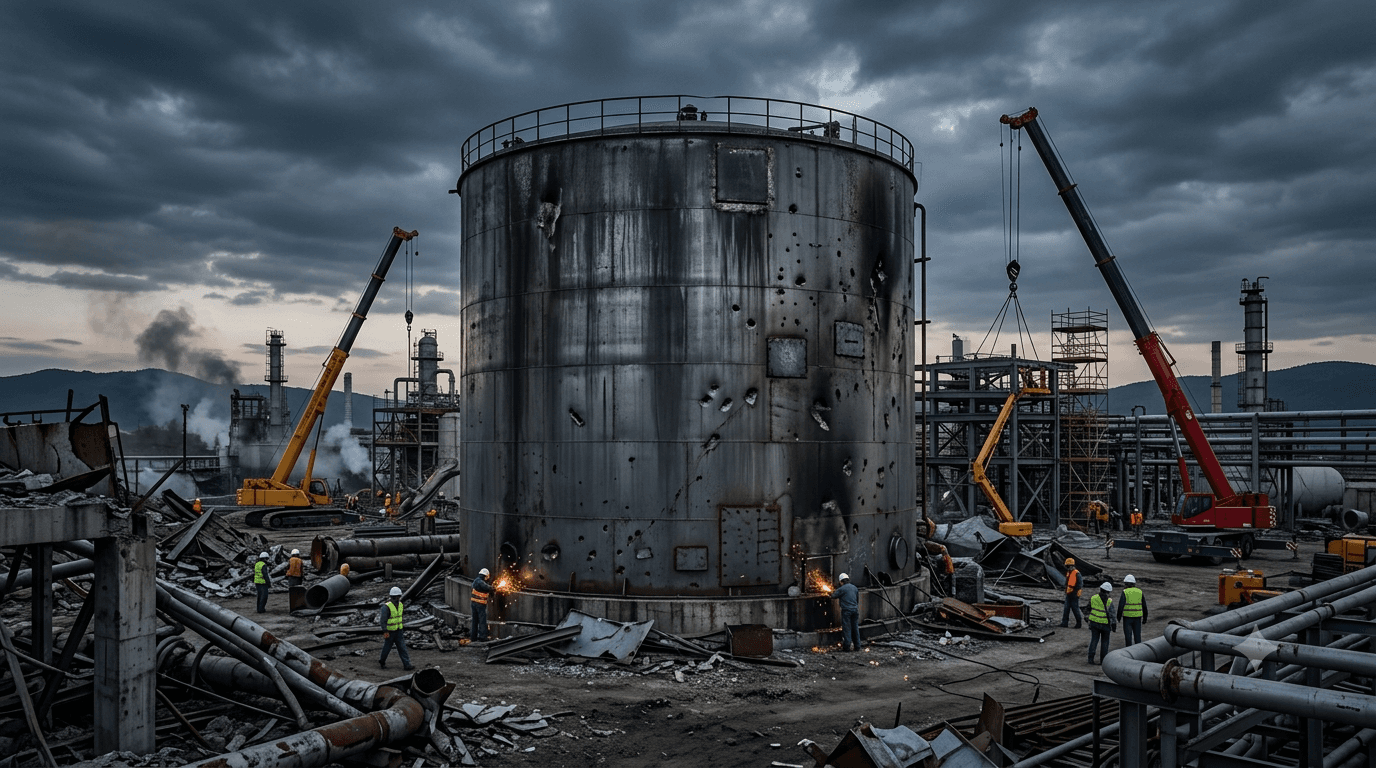
Iran’s Petrochemical Sector After the Hormuz War: Global Methanol and Fertilizer Markets Face a Multi-Year Supply Gap
Iran’s petrochemical industry emerged as the largest industrial casualty of the Hormuz War, with major production hubs reportedly suffering catastrophic damage. The resulting supply gap is reshaping methanol, fertilizer and polymer markets while creating one of the largest reconstruction opportunities in the global chemical sector.
Don't miss out on our updates! Subscribe to our newsletter now
We're committed to your privacy. Tradeasia uses the information you provide to us to contact you about our relevant content, products, and services. For more information, check out our privacy policy.