
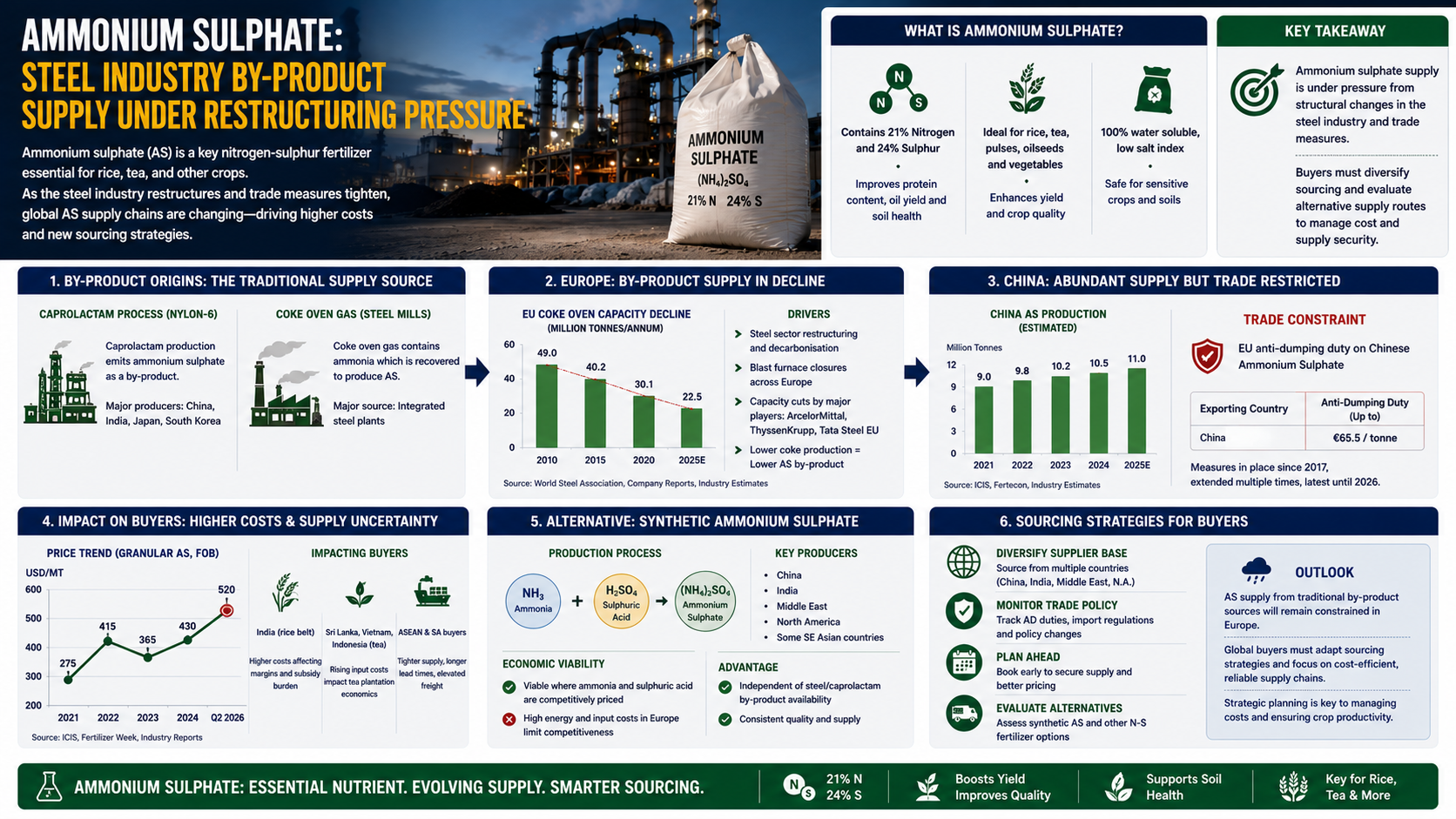
Liquid Ammonia CAS: 166412-78-8
Liquid Ammonia CAS: 166412-78-8
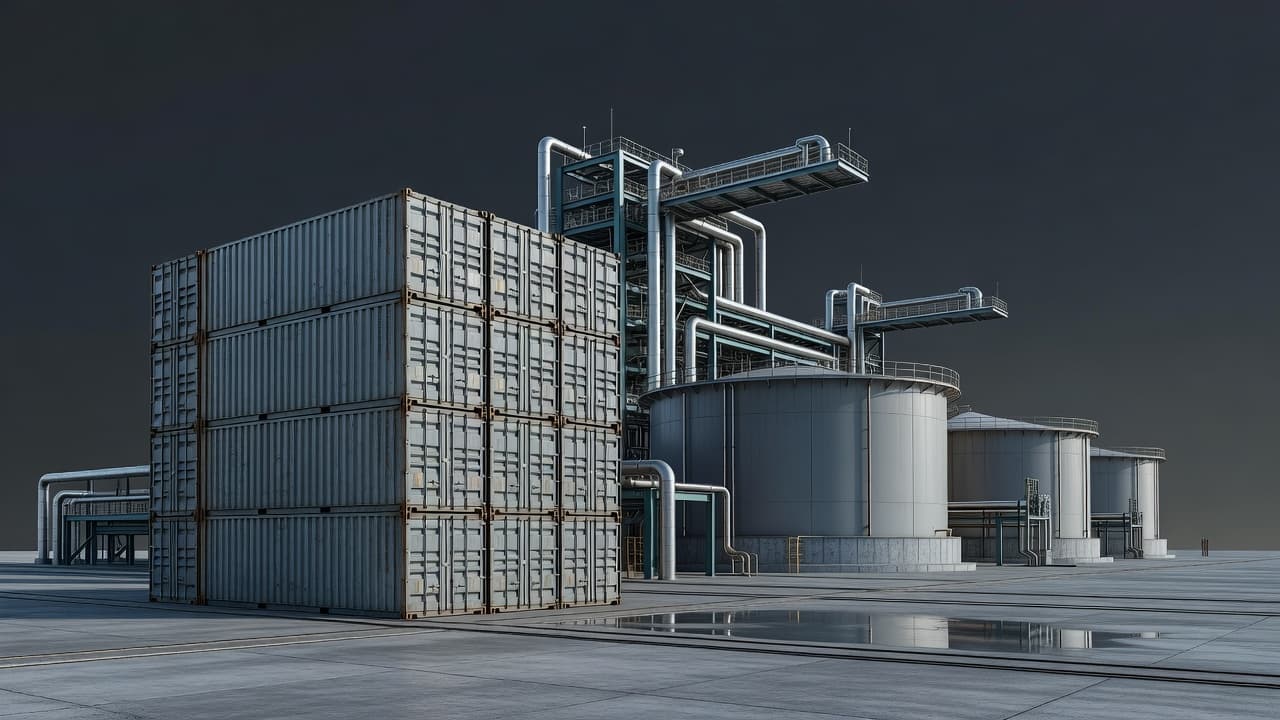
US chemical imports are projected to fall to their lowest level since 2020, while exports are expected to reach their lowest point since 2021. Procurement teams should understand how shifting trade patterns could reshape sourcing strategies, regional supply chains and future market opportunities.

Tall oil, extracted from kraft pulp production in Scandinavia, offers a renewable, Hormuz‑free source of fatty acids and rosin. Its versatility fuels coatings, adhesives, inks and specialty chemicals, bolstering supply chain resilience across the Nordic chemical sector.
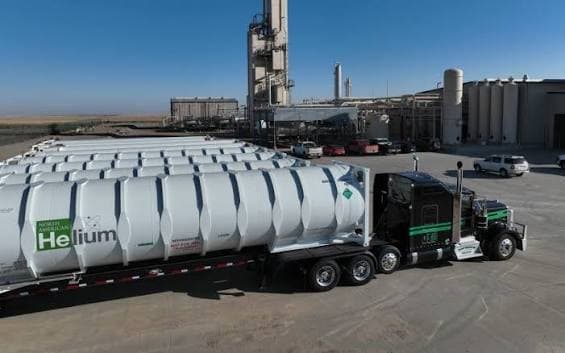
The 2026 Hormuz crisis created one of the most overlooked commodity disruptions in global markets: helium. Damage to Qatar’s Ras Laffan LNG infrastructure reduced helium production capacity, creating a structural supply shortage that may persist for years even as shipping conditions across Hormuz begin improving.

QatarEnergy's suspension of LNG, ammonia and urea production has created one of the most significant disruptions to global nitrogen fertilizer markets in years. Even after shipping routes normalize, analysts expect fertilizer exports from the region to require up to 18 months to fully recover.
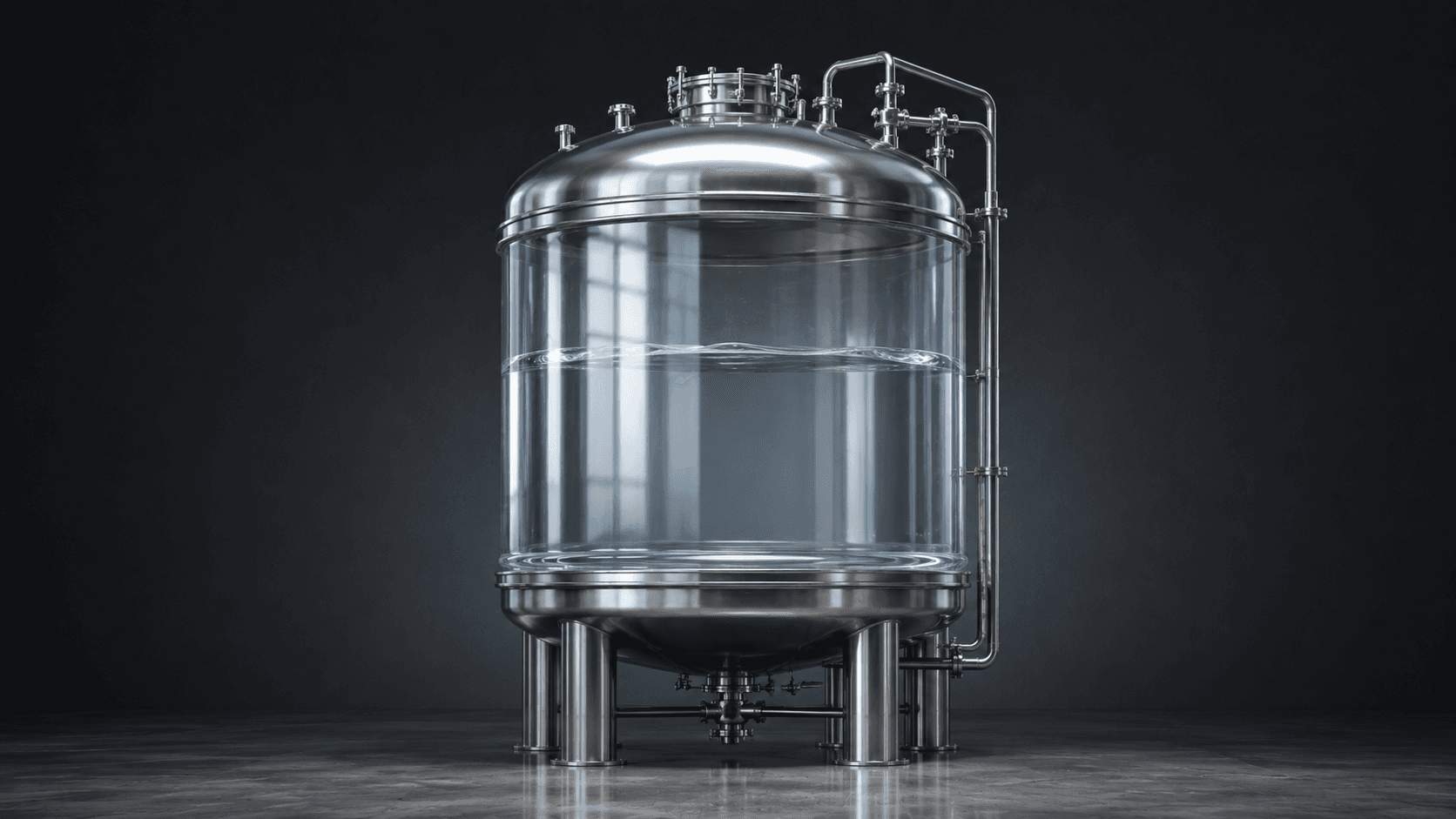
Acetic acid trade flows across Asia are changing rapidly as Chinese exports rise, India's duty exemption nears expiry and Gulf logistics remain constrained. Procurement teams must reassess sourcing strategies before policy and supply conditions shift again.
Naphtha markets remain under pressure as Japan relies on strategic reserves and South Korean producers declare force majeure across downstream contracts. Procurement teams across plastics and fibers face difficult sourcing decisions while waiting for post-ceasefire supply normalization.
We're committed to your privacy. Tradeasia uses the information you provide to us to contact you about our relevant content, products, and services. For more information, check out our privacy policy.