
Related Insights
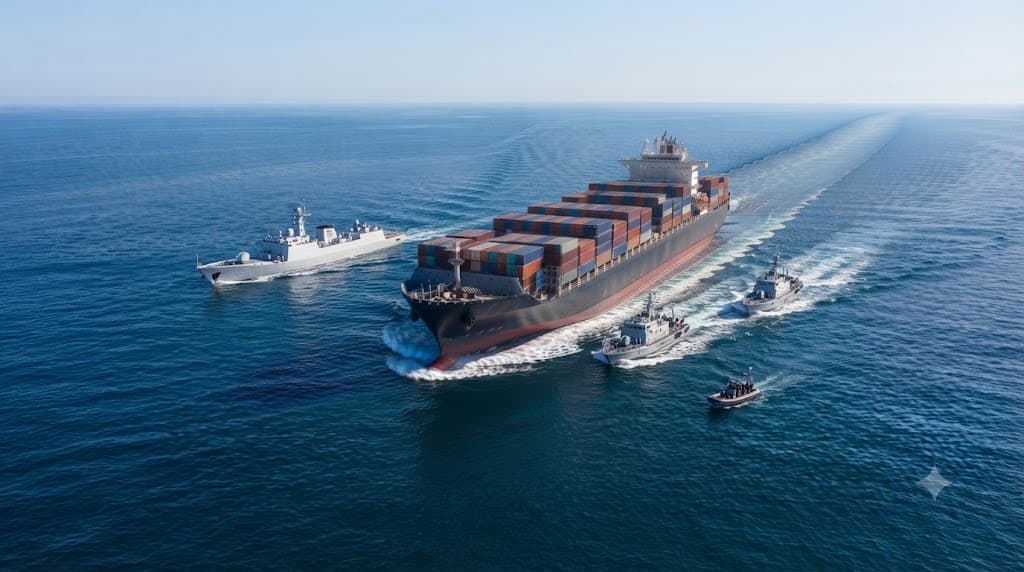
Vessel Interception Intelligence: Four Weekend Detentions Signal Enforcement Shift
Iran's interception of four vessels over the weekend reveals critical insights into its naval enforcement posture. Chemical buyers must assess supply chain vulnerabilities and adjust sourcing strategies immediately.

Kpler's 34: What Six Times More Vessel Crossings in One Day Actually Means for Chemical Supply
Kpler confirmed 34 vessel crossings through Hormuz on June 30, a sixfold increase over June’s average daily traffic. For chemical procurement professionals, the number signals the first meaningful Gulf supply recovery in months, but sustained movement over the next 48 hours will determine whether true normalization has begun.

Pakistan Country Watch: Recovery Trajectory and July Chemical Procurement Conditions
Pakistan enters July 2026 with improving chemical import conditions supported by lower crude prices, recovering Gulf logistics and easing freight costs. However, foreign exchange constraints and trade finance remain the defining commercial risks for international suppliers.

Green Ammonia: The 60-Day MoU Clock and What It Means for Gulf Green Project Timelines
The 60-day diplomatic window following the June 2026 MoU is becoming a key milestone for green ammonia investments. Developers and industrial buyers are closely monitoring project timelines, supply security, and future procurement opportunities.

Strait of Hormuz Oil Transit Record and Its Impact on Petrochemical Supply Recovery
The record 16 million barrel Strait of Hormuz transit on June 21, 2026 has created a new market signal for petrochemical buyers watching supply recovery timelines. This analysis explains when MEG, PTA, methanol and polymer feedstock availability could improve across major import markets.

Turkey Chemical Watch: Polymer Markets Remain Volatile After Iran Conflict
The Turkish polymer market is riding a wave of uncertainty as polyethylene (PE) and polypropylene (PP) buyers face delayed supply recovery from the Middle East. Prices remain high, import volumes fluctuate, and manufacturers are scrambling for alternative sources to keep production lines running.
Don't miss out on our updates! Subscribe to our newsletter now
We're committed to your privacy. Tradeasia uses the information you provide to us to contact you about our relevant content, products, and services. For more information, check out our privacy policy.