
Related Insights

Clean Label Goes Mainstream: 62% of Shoppers Demand Transparency
A sweeping shift in grocery aisles shows that consumers are prioritizing clean labeling. With 62% demanding ingredient transparency, food manufacturers are rethinking sourcing, formulation and packaging. This article explores the ripple effects across the industry.
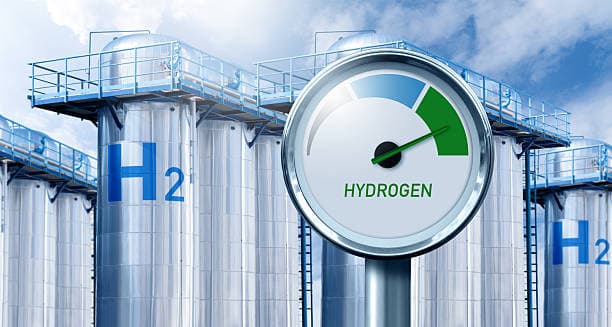
Green Hydrogen Economics: How $79 Brent Alters Premium Calculations
Brent crude price swings have a direct impact on the cost premium of green există hydrogen compared to its grey counterpart. With Brent at $79, the economics of green hydrogen shift dramatically, influencing low‑carbon chemical procurement and the broader energy transition. This article explores the mechanics behind the premium calculation and its implications for the chemical industry.
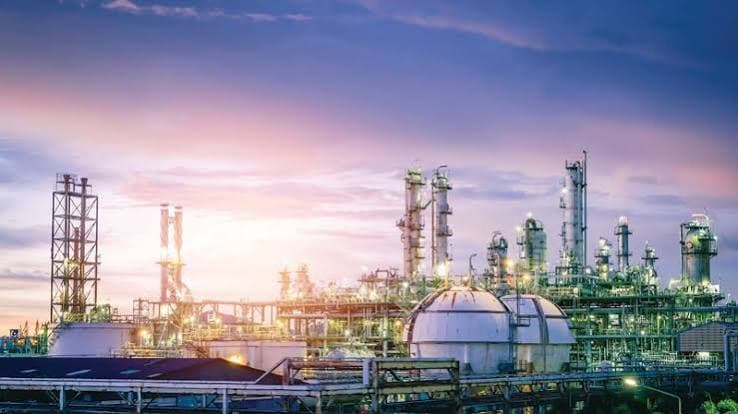
South Korea Country Watch: Force Majeure Wind-Down Commercial Negotiations Begin
South Korea enters H2 2026 with the formal wind-down of force majeure declarations across its petrochemical sector. As producers and buyers negotiate contract reinstatements, legal interpretation and commercial strategy are becoming as important as recovering production volumes.
July Cracker Restart: Japan’s Petrochemical Market Shifts
Japan’s steam cracker operators are finalising July operating rates that will shape Q3 supply and pricing. With Brent at $72.60, a positive naphtha crack spread signals renewed demand for ethylene derivatives, polystyrene and benzene chain chemicals. Buyers should act this week to secure volumes.
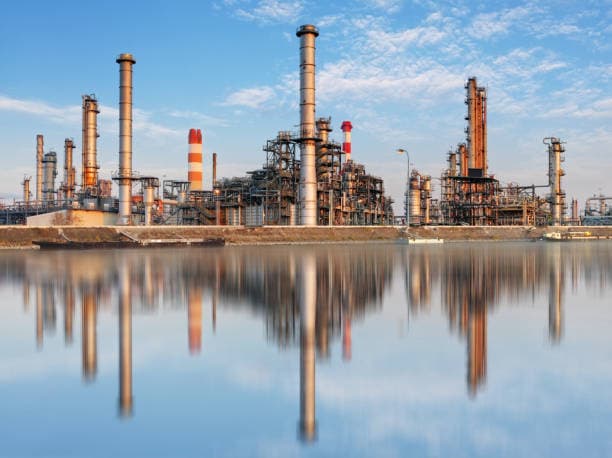
India Chemical Watch: ONGC Eyes Venezuela as Crude Diversification Drives 2026 Petrochem Market
As the Hormuz crisis reshapes global oil flows, India’s ONGC is evaluating Venezuelan crude to secure feedstock for its expanding refinery network. This move signals a broader strategy to diversify imports and stabilize the country’s petrochemical supply chain by 2026.
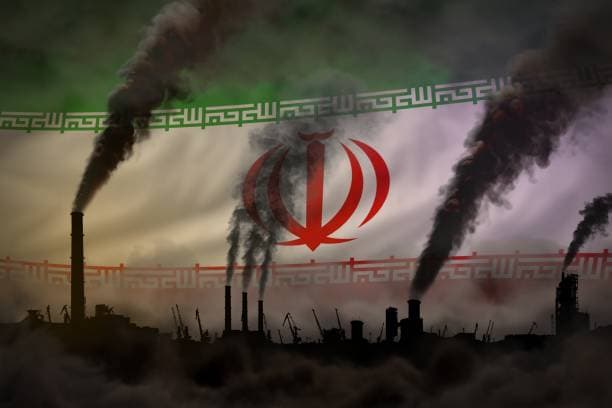
Iran Chemical Watch: 85% of Petrochemical Capacity Destroyed in 2026
In 2026, Iran’s petrochemical industry suffered a catastrophic 85% loss of production capacity due to sanctions and internal conflicts. The collapse threatens global methanol supply, disrupts Middle East petrochemicals, and forces exporters to seek new markets. Read on for a deep dive into reconstruction challenges and supply chain implications.
Don't miss out on our updates! Subscribe to our newsletter now
We're committed to your privacy. Tradeasia uses the information you provide to us to contact you about our relevant content, products, and services. For more information, check out our privacy policy.