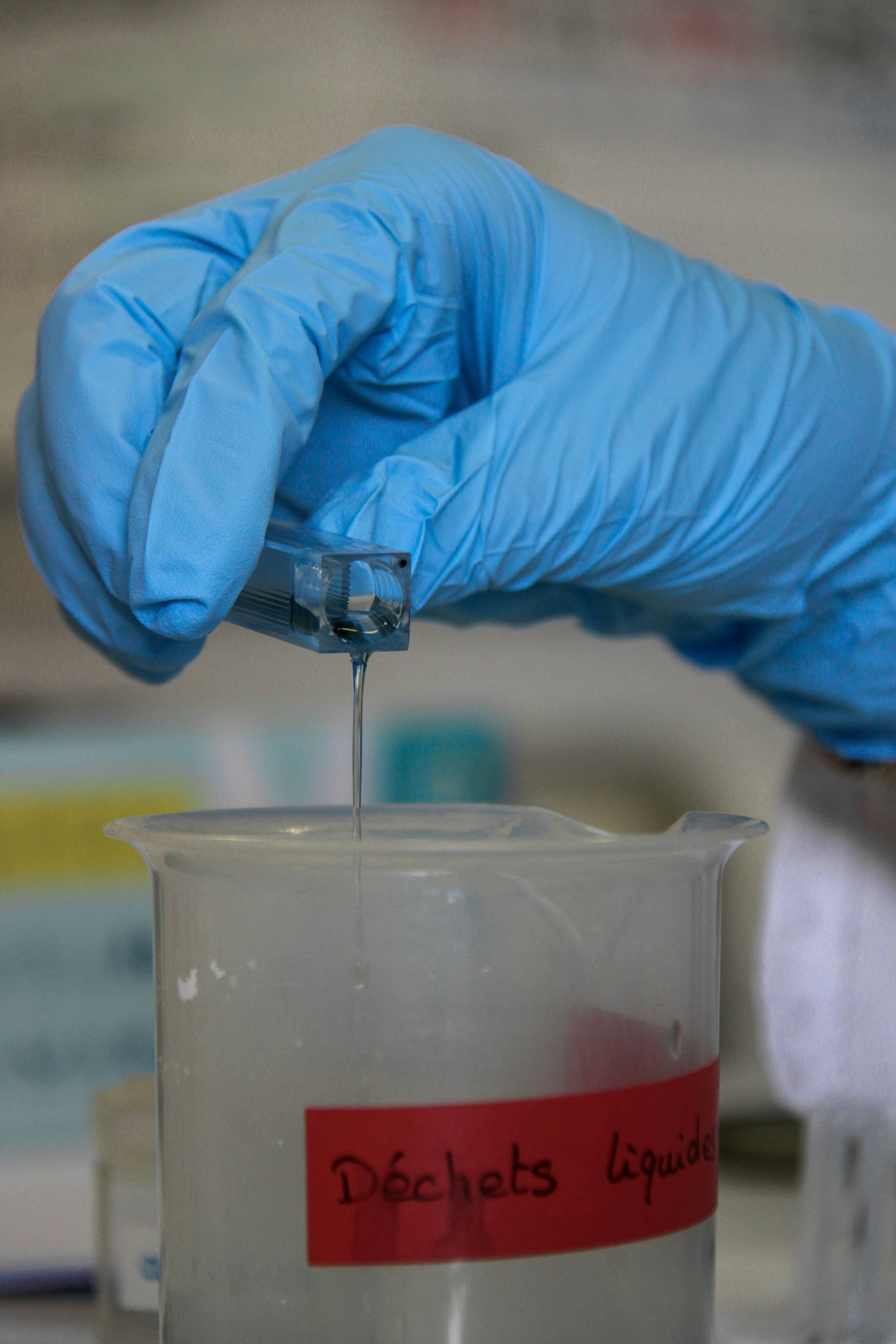

Pharmaceutical Solvents Under Regulatory Pressure: ICH Q3C Updates and Procurement Impact
Pharmaceutical manufacturers are entering a new phase of regulatory scrutiny in 2026 as global expectations around residual solvent control continue to tighten. Updated focus under ICH Q3C guidance, combined with stronger oversight from regulatory authorities, is changing how procurement teams evaluate pharmaceutical solvents, supplier qualification, and manufacturing compliance.
For CMOs, CROs, API manufacturers, and sourcing teams, solvent strategy is becoming both a regulatory and operational priority.
Why Pharmaceutical Solvents Matter
Solvents play a critical role throughout pharmaceutical production.
They are commonly used in:
API synthesis
Extraction and purification
Crystallization processes
Cleaning and manufacturing operations
Drug formulation development
Although solvents are necessary for production, traces may remain in finished pharmaceutical products. These remaining traces are called residual solvents and must stay within approved safety limits.
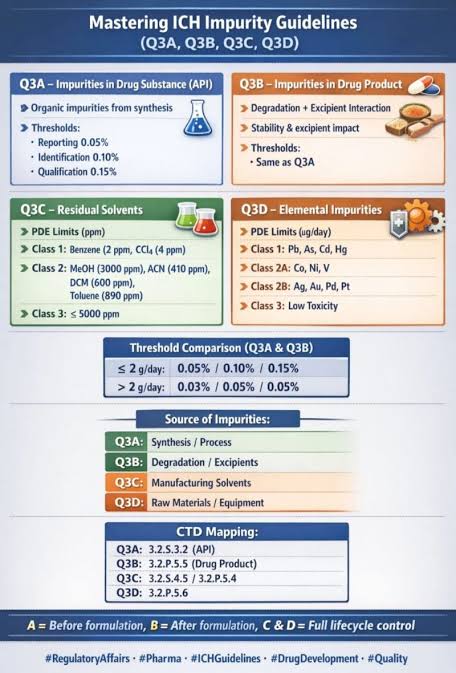
Understanding ICH Q3C and Solvent Classification
ICH Q3C provides international guidance on controlling residual solvents in pharmaceutical products to protect patient safety.
Solvents are generally grouped into categories based on risk.
Class 1 Solvents — Avoid Where Possible
These solvents carry higher toxicity concerns and should generally not be used unless strongly justified.
Regulators continue increasing attention on minimizing exposure.
Class 2 Solvents — Limited Use with Strict Controls
These solvents may be used but must remain within defined exposure limits.
Examples receiving increasing regulatory attention include:
Acetonitrile
Tetrahydrofuran (THF)
Methanol
Dimethylformamide (DMF)
Manufacturers are expected to demonstrate process control and compliance.
Class 3 Solvents — Lower Toxicological Concern
These solvents have lower risk profiles but still require controlled use and documentation.
Regulatory Expectations Increase in 2026
Global pharmaceutical regulators are increasing oversight of residual solvent management.
Regulatory expectations now extend beyond final product testing and increasingly focus on:
Manufacturing process controls
Solvent traceability
Supplier qualification
Batch documentation
Recovery and recycling systems
Analytical verification procedures
Companies unable to demonstrate control may face audit findings, qualification delays, or additional documentation requests.
Solvent Recovery Is Becoming a Strategic Requirement
Historically, solvent recovery systems were often viewed as cost-saving initiatives.
In 2026, recovery and recycling technologies are increasingly becoming operational necessities.
Benefits include:
Reduced solvent purchasing costs
Lower environmental impact
Improved regulatory readiness
Better supply continuity
Reduced waste management expenses
Modern pharmaceutical facilities increasingly integrate closed-loop solvent recovery into production planning.
India Expands GMP-Certified Solvent Capacity
India remains one of the world’s major sources of pharmaceutical-grade solvents.
To meet evolving compliance expectations, solvent manufacturers are investing in:
GMP-certified distillation systems
Higher purification standards
Enhanced analytical capability
Improved documentation and batch traceability
These investments are helping suppliers support global pharmaceutical requirements more effectively.
Procurement Priorities for CMOs and CROs
Procurement teams should move beyond simple pricing decisions and strengthen qualification processes.
Key checkpoints include:
✓ Verify alignment with current ICH Q3C solvent limits
✓ Request batch-specific analytical reports
✓ Confirm residual solvent testing capability
✓ Review supplier GMP certifications
✓ Assess solvent recovery and traceability practices
✓ Validate consistency across production batches
Buyers should also confirm that supplier specifications match intended pharmaceutical applications rather than relying on generic solvent grades.
Conclusion
Residual solvent compliance is becoming a defining factor in pharmaceutical manufacturing competitiveness.
As ICH Q3C expectations evolve and regulatory attention increases, procurement decisions must balance availability, cost, quality, and compliance.
Organizations that strengthen supplier qualification, adopt solvent recovery strategies, and demand stronger analytical transparency will be better positioned to manage both regulatory risk and long-term supply resilience.