
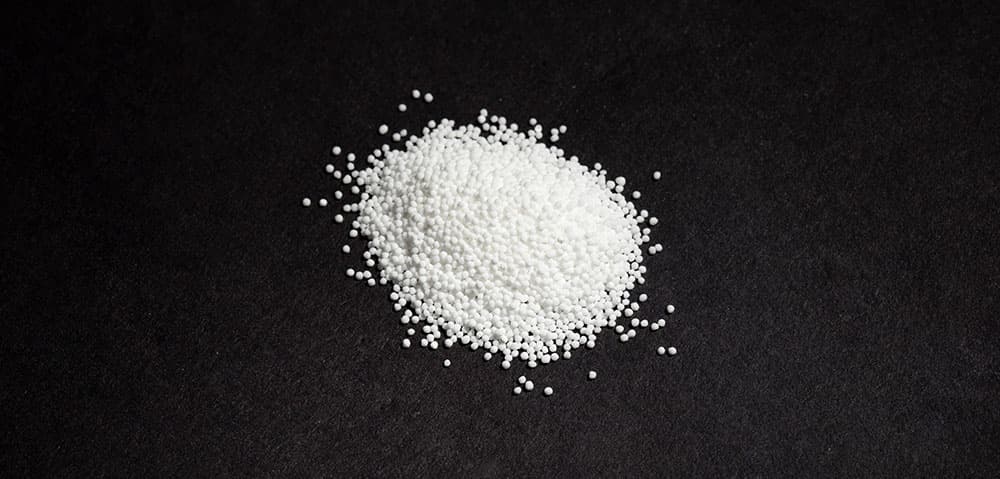
The sodium perborate market presents an unusual story in the specialty chemicals industry. Unlike many products that either grow or decline uniformly across end-use sectors, sodium perborate is experiencing two opposing trends at the same time. Demand in traditional detergent applications continues to weaken in many developed economies, while healthcare, dental care and specialty hygiene products are creating new growth opportunities.
For decades, sodium perborate tetrahydrate served as one of the most widely used oxygen bleaching agents in powdered laundry detergents. Consumers may not have recognised the chemical name, but they benefited from its stain-removing and whitening performance in household cleaning products sold across global markets.
Today, changing consumer habits, environmental preferences and detergent technology shifts are transforming demand patterns. Liquid detergents have steadily gained market share in North America and Europe, reducing consumption of bleaching ingredients traditionally used in powder formulations. At the same time, healthcare applications, denture cleaning products and specialty hygiene markets are generating fresh demand for this versatile oxidising agent.
Procurement teams therefore face a more nuanced market than they did a decade ago. Understanding where demand is declining and where it is expanding has become essential for sourcing decisions and long-term planning.
What sodium perborate is and how it functions as an oxygen bleach
Sodium perborate is an oxidising compound that releases active oxygen when dissolved in water. This controlled oxygen release makes it highly effective as a bleaching, cleaning and disinfecting agent.
The most commonly traded commercial form is sodium perborate tetrahydrate, which offers good storage stability and compatibility with dry formulations.
When activated in aqueous environments, sodium perborate generates hydrogen peroxide and reactive oxygen species that break down stains, organic contaminants and microorganisms.
Key performance characteristics include:
Effective stain removal without chlorine chemistry.
Controlled oxygen release during use.
Strong compatibility with powder formulations.
Whitening and brightening properties for fabrics.
Antimicrobial activity in selected applications.
These characteristics helped sodium perborate become a foundational ingredient in detergent manufacturing for many years.
Its chemistry also explains why it remains useful in healthcare and hygiene applications. The same oxidation mechanism that removes stains can assist with cleaning, deodorisation and microbial control.
Why sodium perborate became a major detergent ingredient
The detergent industry historically represented the largest market for sodium perborate.
Powder detergents required stable bleaching systems that could survive storage and activate effectively during washing cycles. Sodium perborate met both requirements, making it a preferred ingredient in oxygen bleach formulations.
For many detergent manufacturers, sodium perborate offered an attractive balance of performance, cost and formulation flexibility.
Its benefits included:
Improved removal of tea, coffee and food stains.
Fabric whitening performance.
Compatibility with detergent builders and surfactants.
Good shelf stability in dry detergent blends.
Reliable bleaching performance across multiple wash conditions.
The widespread success of powder laundry detergents drove substantial global consumption for decades.
Manufacturers serving emerging markets still value sodium perborate because powder detergents remain an important product category in many regions. Cost-sensitive consumers often continue to favour powders over premium liquid alternatives, preserving demand for oxygen bleach ingredients.
This ongoing relevance explains why procurement teams in developing economies continue to monitor sodium perborate markets closely.
The shift from powder detergents to liquid formulations
The largest structural challenge facing sodium perborate comes from changing detergent consumption patterns.
Consumers in many developed markets increasingly prefer liquid detergents due to convenience, easier dosing and compatibility with modern washing machines.
This trend has significantly affected demand for traditional oxygen bleach systems.
Liquid detergents present a technical challenge because sodium perborate does not remain stable within many liquid formulations. Manufacturers therefore rely on alternative bleaching technologies or avoid bleach ingredients altogether in certain products.
Several factors have accelerated the transition:
Growth of concentrated liquid detergent products.
Consumer preference for convenience and ease of use.
Expansion of premium laundry care categories.
Retail shelf space shifting toward liquid formats.
Product innovation focused on liquid delivery systems.
As a result, detergent demand for sodium perborate has declined across much of Europe and North America.
However, this decline has not occurred uniformly worldwide. Many developing regions continue to support strong powder detergent production, helping preserve a substantial baseline market.
For suppliers and traders, this means demand has shifted geographically rather than disappearing entirely.


Why sodium percarbonate is replacing perborate in Europe
Beyond the shift toward liquids, another factor has influenced sodium perborate consumption.
European detergent manufacturers increasingly favour sodium percarbonate as an alternative oxygen bleach source.
Several reasons explain this transition:
Improved environmental profile.
Strong consumer acceptance.
Regulatory preference for environmentally favourable ingredients.
Effective bleaching performance in modern formulations.
Sodium percarbonate decomposes into sodium carbonate and hydrogen peroxide, creating a simpler environmental profile after use.
This characteristic has encouraged detergent formulators to evaluate replacement strategies, particularly in markets where sustainability considerations strongly influence purchasing decisions.
For procurement professionals, the competitive relationship between sodium perborate and sodium percarbonate remains important. Changes in one market often influence pricing, demand and production decisions in the other.
While substitution continues, sodium perborate still retains technical advantages in selected applications where formulation requirements differ.
Healthcare applications are creating new growth opportunities
While detergent consumption has weakened in some regions, healthcare applications are becoming increasingly important.
Healthcare and hygiene products require controlled oxidation performance, cleaning effectiveness and formulation stability. Sodium perborate fits these requirements well.
Growing application areas include:
Denture cleaning tablets.
Oral hygiene products.
Medical cleaning formulations.
Specialty disinfecting products.
Professional hygiene systems.
The ageing global population contributes to demand growth in denture care products.
Manufacturers of cleaning tablets rely on ingredients that provide both visible cleaning action and effective stain removal. Sodium perborate's oxygen release mechanism supports these objectives.
Healthcare-related demand often generates higher value opportunities than commodity detergent markets. Product performance, regulatory compliance and quality consistency tend to receive greater emphasis than simple cost minimisation.
This creates attractive opportunities for suppliers capable of meeting specialised specifications.
Dental care and denture cleaning remain strong niche markets
Among healthcare applications, denture cleaning represents one of the most established growth segments.
Consumers expect denture cleaning products to:
Remove stains effectively.
Eliminate odours.
Maintain appearance.
Support hygienic use.
Deliver reliable performance during daily cleaning routines.
Sodium perborate helps achieve these objectives through oxidation-based cleaning mechanisms.
The growth of dental care markets across emerging economies is also supporting consumption.
As access to healthcare products improves and populations age, manufacturers continue investing in oral care categories. This trend creates a relatively stable demand source independent of laundry detergent market dynamics.
Unlike detergent markets where formulation changes can quickly alter demand patterns, dental care applications often evolve more gradually, providing additional market stability.
Hair care and specialty bleaching applications
Sodium perborate also serves niche roles within cosmetic and personal care sectors.
Hair bleaching formulations use oxidising agents to alter pigment structures and achieve desired cosmetic effects. Although alternative technologies exist, sodium perborate remains relevant in selected formulations.
Additional specialty applications include:
Cosmetic bleaching systems.
Cleaning and restoration products.
Professional hygiene formulations.
Specialty industrial cleaning products.
These markets are generally smaller than detergent or healthcare sectors but contribute to overall demand diversity.
A broad application portfolio helps reduce dependence on any single end-use industry.
This diversification becomes increasingly valuable as traditional detergent demand evolves.
China's role in global sodium perborate supply
The international sodium perborate market remains heavily influenced by production capacity in China.
Chinese manufacturers dominate global industrial-grade supply due to established chemical infrastructure, competitive production economics and export-oriented manufacturing capabilities.
China's position offers several advantages:
Large-scale production capacity.
Integrated inorganic chemical supply chains.
Competitive manufacturing costs.
Established export networks serving global buyers.
For importers, this concentration creates both opportunities and risks.
Strong competition among suppliers often supports attractive pricing. However, dependence on a dominant production region increases exposure to logistics disruptions, regulatory changes and export market volatility.
Many procurement teams therefore maintain relationships with multiple suppliers to strengthen supply security.
Pricing dynamics and procurement considerations
Sodium perborate pricing depends on a combination of manufacturing economics, regulatory developments and end-use demand patterns.
Important market influences include:
Production costs in China.
Demand from detergent manufacturers.
Growth in healthcare applications.
Competition from sodium percarbonate.
Freight and logistics costs.
Regulatory developments affecting bleach ingredients.
Healthcare demand tends to support higher value grades, while detergent applications remain more cost-sensitive.
Procurement teams should monitor both sectors because changing demand balances can influence pricing and availability across the entire market.
Buyers serving detergent manufacturers should also evaluate long-term formulation trends. Understanding whether customers intend to maintain powder products or transition toward alternative systems can help guide purchasing decisions.
What Buyers Should Watch Through 2027
Sodium perborate is transitioning from a predominantly detergent-focused chemical into a more diversified specialty ingredient. Although liquid detergents and sodium percarbonate continue to pressure traditional demand in developed markets, healthcare, dental care and hygiene applications are creating meaningful new opportunities.
Powder detergent production in developing regions remains an important source of consumption, ensuring that sodium perborate continues to play a significant role in global cleaning product supply chains.
For procurement teams, the most important market signals include healthcare demand growth, substitution trends involving sodium percarbonate and supply developments in China. Companies that understand these evolving demand patterns will be better positioned to manage sourcing strategies and identify future opportunities.
Sodium Hydrosulphite (88%) - China CAS: 7775-14-6