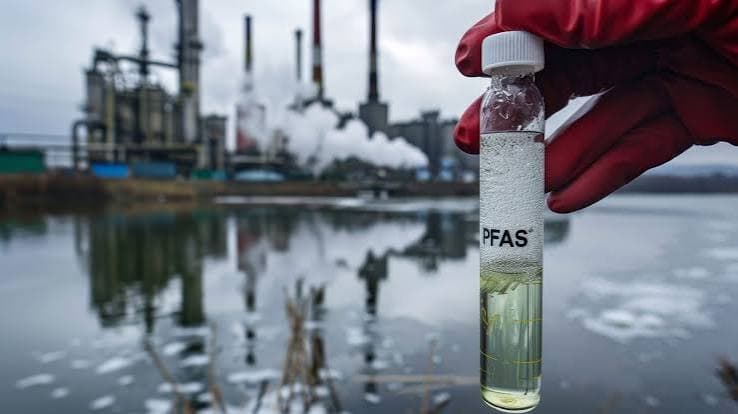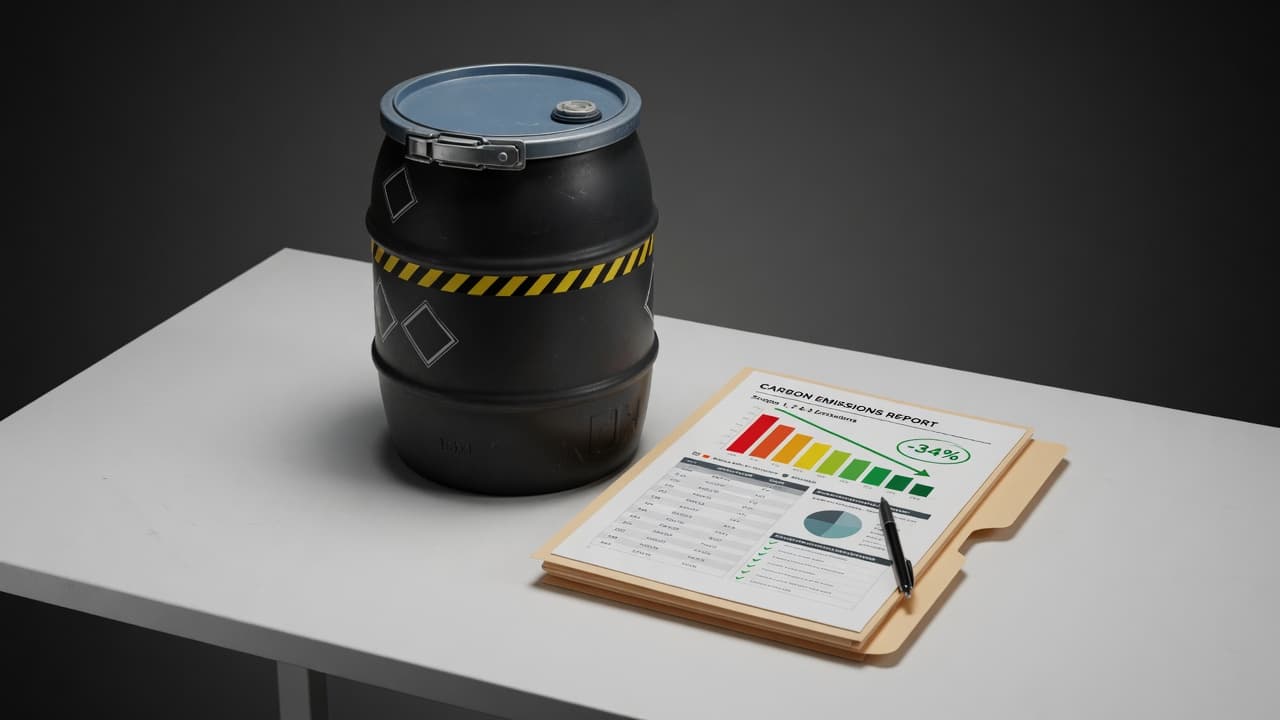

Sustainability has become a major consideration in chemical procurement, but evaluating supplier claims is becoming increasingly complex. Manufacturers and distributors now promote lower carbon footprints, renewable feedstocks, circular economy initiatives and responsible sourcing practices, yet the evidence supporting those claims often differs significantly from one supplier to another.
For procurement professionals, the challenge is no longer finding sustainability claims. It is determining which claims are supported by recognized verification frameworks and which rely primarily on company marketing. Understanding the purpose, scope and limitations of established sustainability standards is essential for making informed sourcing decisions.
Why Sustainability Claims Need Verification
A sustainability statement alone provides limited value without supporting evidence. Procurement teams increasingly require independent verification because purchasing decisions now influence regulatory reporting, customer expectations and corporate sustainability goals.
Recognized certification systems establish common rules for evaluating sustainability performance. These frameworks typically define assessment criteria, verification procedures and ongoing monitoring requirements that help improve consistency across suppliers.
Even so, no single certification measures every aspect of sustainability. Each framework focuses on specific topics, industries or supply chain activities.
ISCC and Carbon Traceability
The International Sustainability and Carbon Certification (ISCC) system is one of the most widely recognized sustainability certification frameworks for bio-based and circular raw materials.
ISCC focuses on traceability, sustainable sourcing and greenhouse gas accounting across supply chains. It includes independent verification processes designed to confirm that certified materials meet established sustainability requirements.
For procurement professionals, ISCC certification can provide greater confidence when evaluating renewable feedstocks, recycled materials or products supported by mass balance systems.
However, ISCC certification primarily addresses the areas covered within its own standard. Buyers should avoid assuming that certification automatically verifies every environmental or social performance indicator.
RSPO for Palm-Derived Ingredients
Palm-derived raw materials remain common in many chemical applications, particularly within personal care, detergents and oleochemicals.
The Roundtable on Sustainable Palm Oil (RSPO) provides a certification framework intended to promote more sustainable palm oil production and supply chain management.
RSPO certification covers areas including supply chain traceability and sustainable sourcing practices within the palm industry. Procurement teams sourcing palm derivatives often view RSPO certification as an important qualification factor.
Because RSPO applies specifically to palm-based materials, it should not be interpreted as a comprehensive sustainability assessment covering unrelated aspects of supplier performance.
Responsible Care and Industry Stewardship
The chemical industry's Responsible Care programme focuses on continuous improvement in health, safety, environmental performance and operational stewardship.
Rather than functioning as a product certification, Responsible Care promotes management practices and responsible operations across participating chemical companies.
For buyers, participation may indicate a supplier's commitment to structured environmental and safety management. However, Responsible Care does not certify the sustainability profile of individual chemical products or verify carbon footprint claims.
Understanding this distinction helps procurement teams interpret participation appropriately.

EcoVadis and Supplier Sustainability Ratings
EcoVadis evaluates supplier sustainability performance across several management categories, including environmental practices, labor and human rights, ethics and sustainable procurement.
Unlike product-specific certifications, EcoVadis assesses the broader sustainability management systems implemented by an organization.
Many procurement departments use EcoVadis ratings during supplier qualification because they provide a structured evaluation of company-level sustainability practices.
A strong EcoVadis rating demonstrates performance against the assessment methodology, but it should not replace product-specific certifications where those certifications remain necessary.
Why One Certification Is Rarely Enough
No single sustainability framework covers every issue relevant to chemical procurement.
A supplier may hold ISCC certification for renewable feedstocks, participate in Responsible Care, maintain an EcoVadis rating and also supply RSPO-certified palm derivatives. Each framework provides different information rather than duplicating the others.
Procurement teams benefit most when certifications are evaluated collectively within the context of the specific product being sourced.
Questions Procurement Teams Should Ask
Instead of accepting sustainability claims at face value, buyers should request supporting evidence and understand the scope of any certification presented.
Useful questions include:
Which independent certification supports the sustainability claim?
Does the certification apply to the specific product or only to the company?
How often does the certification require verification or reassessment?
Which sustainability topics are covered, and which are outside the framework?
Can the supplier provide current certificates and supporting documentation?
These questions help distinguish independently verified claims from broader marketing statements.
Building a Credible Sustainability Assessment Process
An effective supplier qualification process combines documentation review with an understanding of what each framework actually measures.
Procurement teams should avoid relying on a single logo or certification when evaluating suppliers. Instead, they should match the sustainability framework to the product category, sourcing objective and organizational requirements.
By comparing certifications alongside technical performance, regulatory compliance and commercial factors, buyers can develop a more balanced assessment of supplier sustainability.
The Bottom Line for Procurement Teams
Sustainability has become an essential part of chemical procurement, but meaningful evaluation depends on understanding the evidence behind supplier claims. Frameworks such as ISCC, RSPO, Responsible Care and EcoVadis each contribute valuable information, yet each measures different aspects of sustainability and follows its own verification approach.
For procurement professionals, the most credible sustainability assessments combine recognized third-party frameworks with thorough supplier documentation and product-specific due diligence. Understanding what each certification covers, and where its limitations begin, supports better sourcing decisions and stronger long-term supplier relationships.
Ready to source sustainable chemical products from verified global suppliers? Explore competitive offers on our platform today.
Refined Coconut Oil CAS: 8001-31-8