Titanium dioxide (TiO2) remains one of the most important industrial pigments in the global chemical industry. Used extensively in coatings, plastics, paper, inks, and construction materials, TiO2 demand remains closely linked to manufacturing activity and consumer product production.
In 2026, however, the market presents two very different realities. China continues to face significant production overcapacity, while Europe struggles with supply-side challenges driven by energy costs, operational constraints, and financial pressure on key producers. The result is a bifurcated market where regional economics increasingly influence procurement strategies.
Why TiO2 Matters
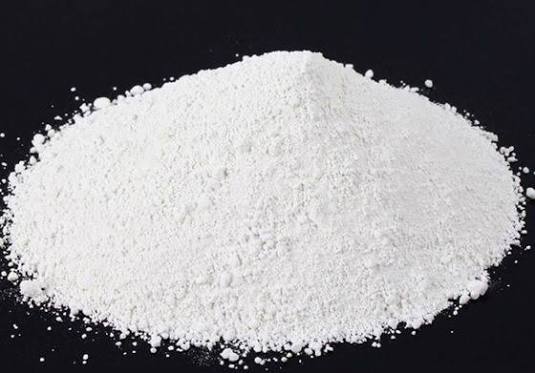
Titanium dioxide is the world's most widely used white pigment.
Its popularity comes from its ability to provide:
High brightness
Excellent opacity
UV resistance
Durability
Color stability
Major end-use sectors include:
Architectural coatings
Industrial paints
Plastic packaging
Automotive components
Paper products
Printing inks
Because TiO2 is often one of the highest-cost ingredients in a formulation, even small price movements can significantly affect manufacturing costs.
China's Oversupply Challenge
China remains the largest producer of titanium dioxide globally.
Major manufacturers have continued expanding capacity despite slower domestic demand growth, creating a persistent oversupply environment.
Notable industry participants include:
LB Group
Tronox
As a result, Chinese producers increasingly rely on export markets to absorb excess production.
This competitive environment has encouraged aggressive export pricing and intensified competition in global markets.
Acrylic Acid (99.5%) - China CAS: 79-10-7
European Producers Face Structural Pressure
The European TiO2 market faces a very different situation.
Production costs remain elevated because of:
Higher energy prices
Environmental compliance costs
Labor expenses
Operational constraints
Some producers are also facing financial challenges.
Particular attention remains focused on:
Venator Materials
Tronox
For European buyers, supply security has become almost as important as pricing.
What Brent Below $80 Means
The decline in Brent crude prices below $80 per barrel has several implications for the TiO2 market.
Lower Energy Costs
European producers benefit modestly from reduced energy and transportation costs.
However, lower crude prices alone are unlikely to eliminate Europe's structural cost disadvantage versus China.
Improved Manufacturing Economics
Feedstock and utility costs may stabilize, supporting production margins.
Freight Cost Relief
Perhaps the most important impact comes from transportation economics.
Lower fuel costs help reduce shipping expenses, improving the competitiveness of internationally traded TiO2.
Freight Costs Are Changing the Competitive Landscape
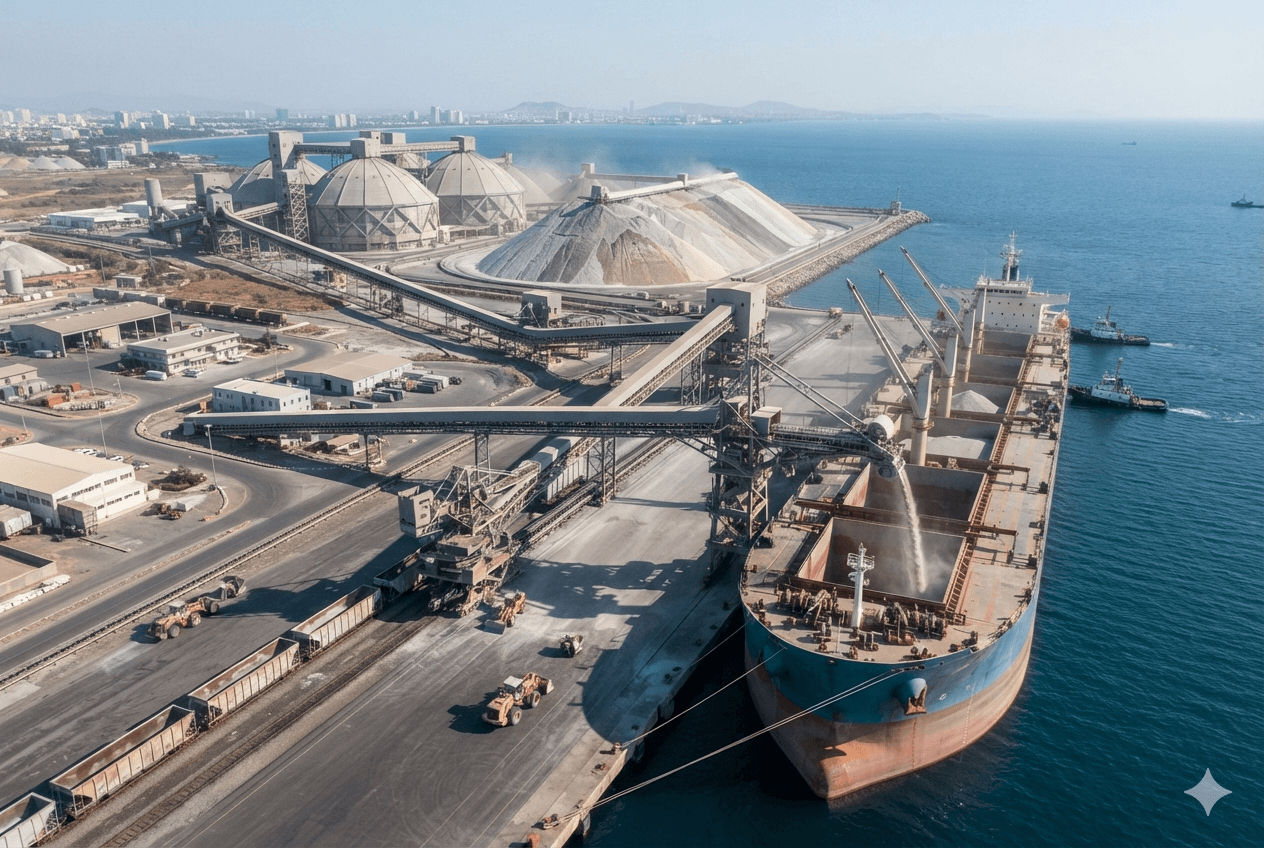
During the Hormuz disruption period, many shipments were forced to use longer routes around the Cape of Good Hope.
This significantly increased freight costs for cargo moving between Asia and Europe.
As logistics conditions improve:
Shipping costs are moderating
Delivery schedules are becoming more predictable
Chinese exports are becoming more competitive
For European importers, this can make Chinese material increasingly attractive from a cost perspective.
Why Supplier Financial Stability Matters
Price remains important, but procurement teams should not focus exclusively on cost.
The financial health of suppliers can directly affect:
Production continuity
Inventory availability
Technical support
Long-term supply agreements
In periods of market stress, financially weaker suppliers may struggle to maintain consistent operations.
As a result, procurement teams should assess:
Financial Strength
Review supplier profitability, debt levels, and operational performance.
Capacity Utilization
Understand whether production assets are operating sustainably.
Market Position
Evaluate long-term competitiveness in the global TiO2 industry.
Impact on Coatings Manufacturers
The coatings industry remains one of the largest consumers of titanium dioxide.
Potential benefits from improved import economics include:
Lower raw material costs
Greater supplier competition
Increased sourcing flexibility
However, quality consistency and technical support remain important considerations when switching suppliers.
Impact on Plastics Processors
Plastic manufacturers use TiO2 extensively for whitening, opacity, and UV protection.
For processors, the current market offers:
More competitive import opportunities
Expanded supplier choices
Potential cost savings
Companies with large volume requirements may find significant procurement advantages by reviewing international sourcing options.
Q3–Q4 2026 Market Outlook
The TiO2 market is expected to remain regionally divided through the second half of 2026.
Key themes include:
China
Continued export pressure
High capacity utilization
Competitive pricing
Europe
Ongoing cost challenges
Financial pressure on some producers
Continued dependence on imports
Global Buyers
Greater sourcing flexibility
Increased focus on supplier risk management
Improved freight economics
The combination of Chinese oversupply and easing logistics costs should support a more buyer-friendly market environment in many regions.
Key Takeaways
The TiO2 market remains divided between Chinese oversupply and European tightness.
Chinese producers continue to export aggressively to absorb excess capacity.
European manufacturers face higher energy and operating costs.
Brent crude below $80 improves transportation and energy economics.
Lower freight costs are increasing the competitiveness of Chinese TiO2 exports.
Supplier financial stability should be evaluated alongside pricing.
Coatings and plastics manufacturers may benefit from greater sourcing flexibility.
Q3–Q4 2026 is expected to remain favorable for buyers seeking competitive TiO2 supply options.