
Urea (Granular) - Egypt CAS: 57-13-6
The chemical industry entered 2025 expecting a strong recovery, yet actual growth fell well short of expectations. Understanding where industry forecasts missed—and why—can help procurement teams build more resilient sourcing and demand-planning strategies for H2 2026.

PVC buyers increasingly face supply chain risks that extend beyond simple price fluctuations. This analysis examines how prolonged disruptions at a major Gulf petrochemical hub could influence global PVC availability, sourcing strategies and procurement decisions over the coming years.

OCP Morocco's July 2026 fertilizer tender is expected to establish the global benchmark for DAP pricing in Q3. Buyers worldwide are closely monitoring the results to guide procurement strategies and contract negotiations.
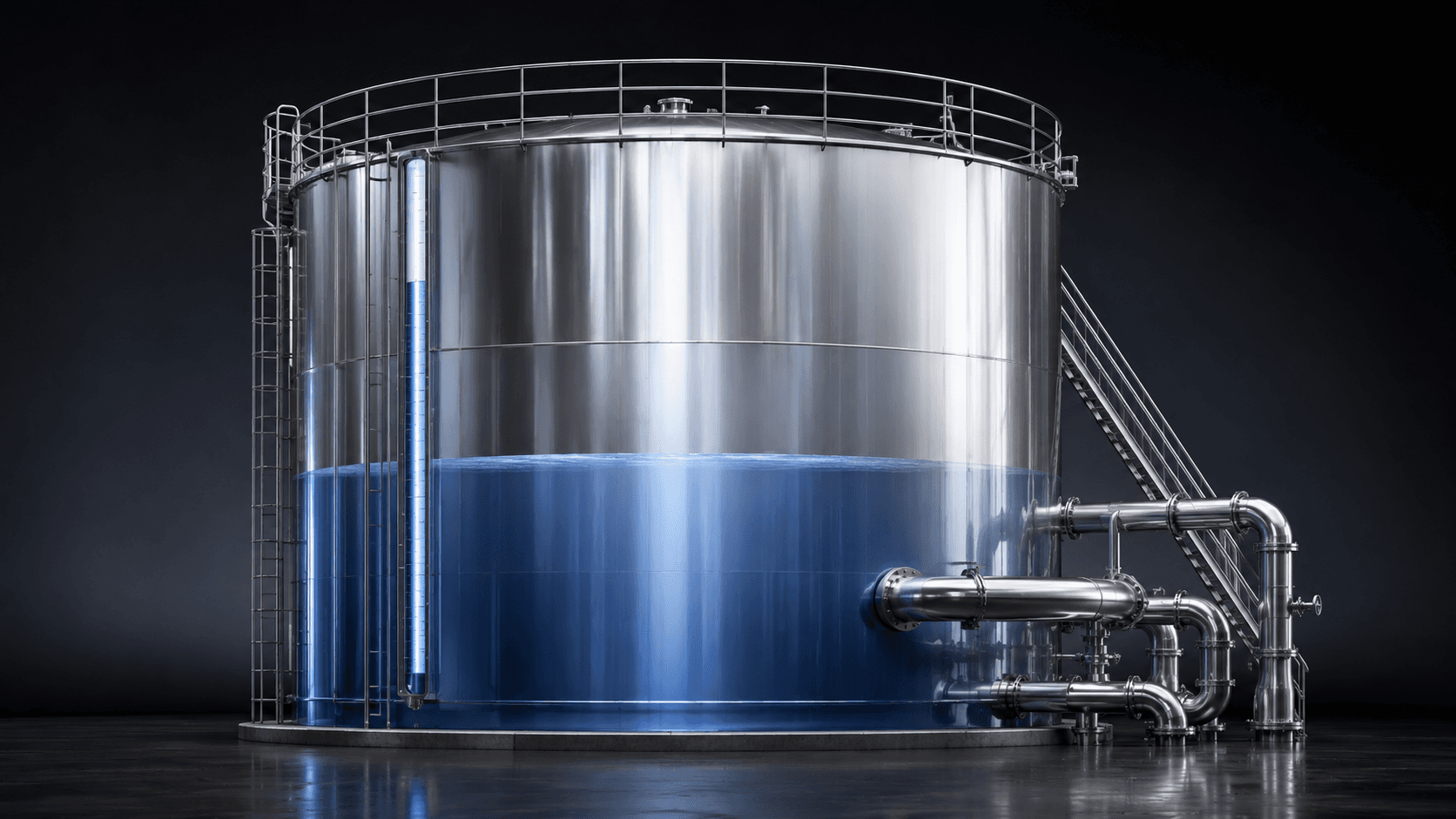
Methanol markets have experienced some of the most severe disruptions during the Hormuz crisis due to their heavy dependence on Gulf export routes. As signs of supply normalization emerge after the Bürgenstock agreements, buyers and producers must reassess Q3 pricing expectations and procurement strategies.
The US-Iran MOU has initiated a 60-day nuclear negotiation window running to August 2026, creating a key risk horizon for global chemical markets. Any breakdown in talks could escalate tensions around the Hormuz Strait, potentially disrupting supply chains and triggering volatility in commodity chemical pricing.
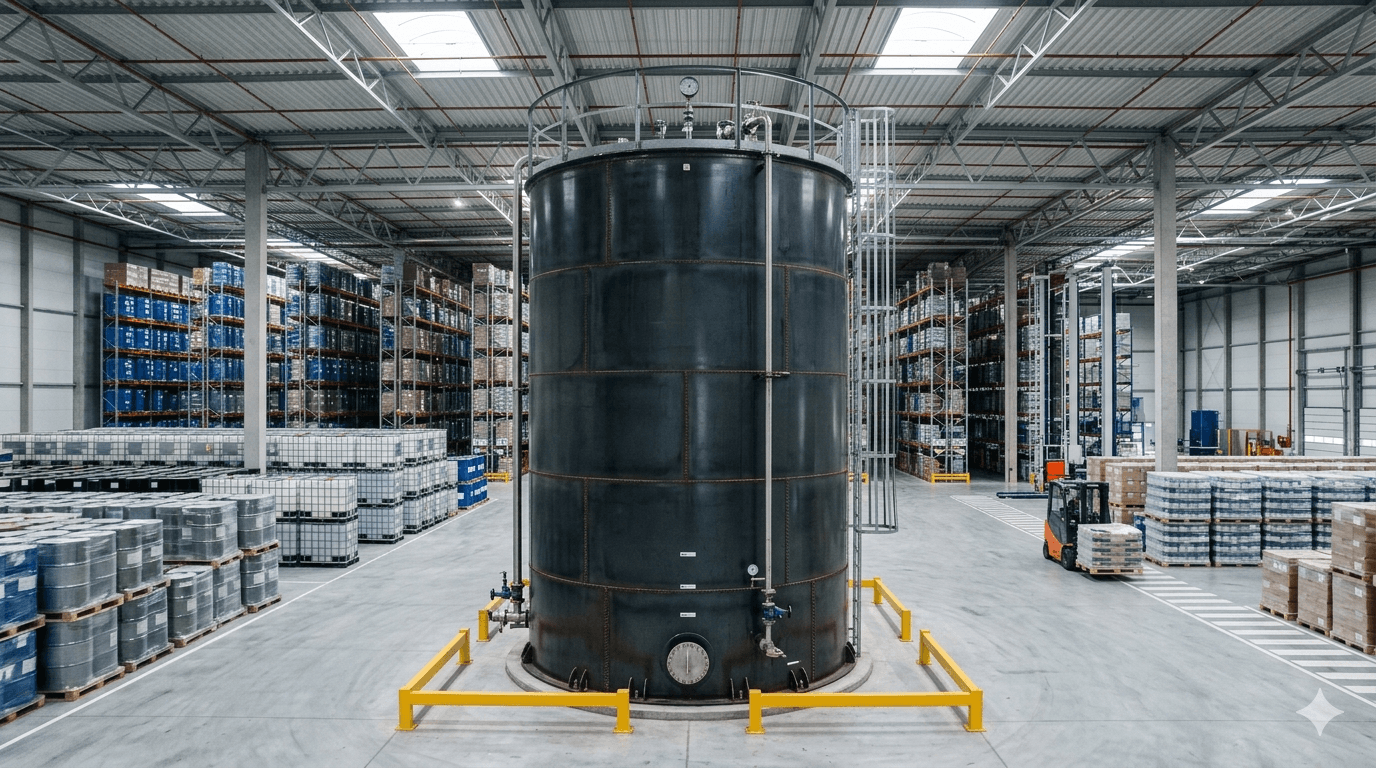
China’s tightening export controls on herbicides and pesticides have triggered a ripple effect across the global agrochemical market. Producers and buyers are now diversifying sourcing strategies and bolstering inventory buffers to navigate emerging supply risks and ensure crop protection continuity.
We're committed to your privacy. Tradeasia uses the information you provide to us to contact you about our relevant content, products, and services. For more information, check out our privacy policy.