
Borax Decahydrate (Technical Grade) - Argentina CAS: 1303-96-4

The sudden disruption in the Hormuz Strait has spotlighted the fragility of chemical supply chains. Companies now must rethink sourcing, diversify origins, and embed measurable resilience into ESG reports to regain investor trust. Learn how to turn crisis into ESG growth.
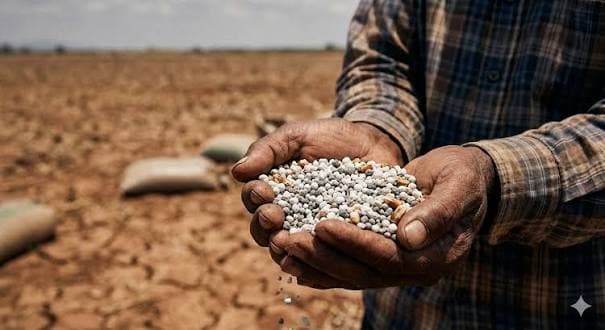
The Kiel Institute’s “Chemical-Food Cascade” framework explains how the 2026 Hormuz crisis is moving beyond chemical supply chains and into food inflation. Fertilizer disruption earlier this year may continue affecting corn, wheat, and sugar-based ingredient costs long after chemical logistics begin recovering.
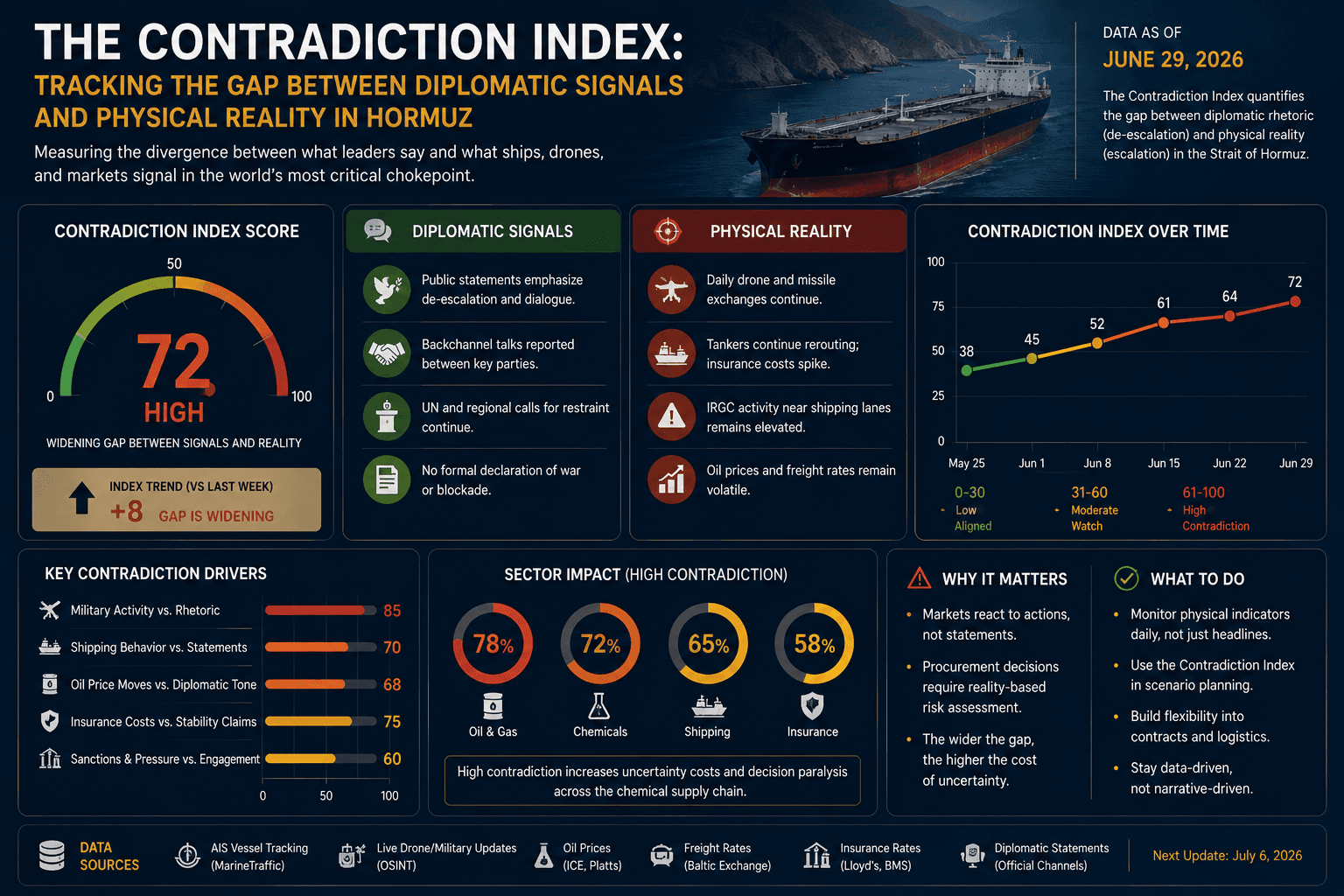
July 1 reveals the biggest contradiction of the Hormuz crisis so far: diplomacy suggests progress, but physical shipping data shows continued disruption. For chemical procurement professionals, understanding the gap between political signals and operational reality has become essential for making correct supply chain decisions.
The world's nine largest container shipping lines continue maintaining Cape of Good Hope routing as their operational standard entering H2 2026. For chemical buyers shipping under CIF and CFR contracts, understanding each carrier's operating posture is now a critical component of logistics and insurance planning.
Sohar and Khor Fakkan close H1 2026 as expanded chemical logistics hubs, reshaping Gulf trade flows beyond Hormuz disruption. This shift signals a permanent change in regional distribution architecture for chemical supply chains
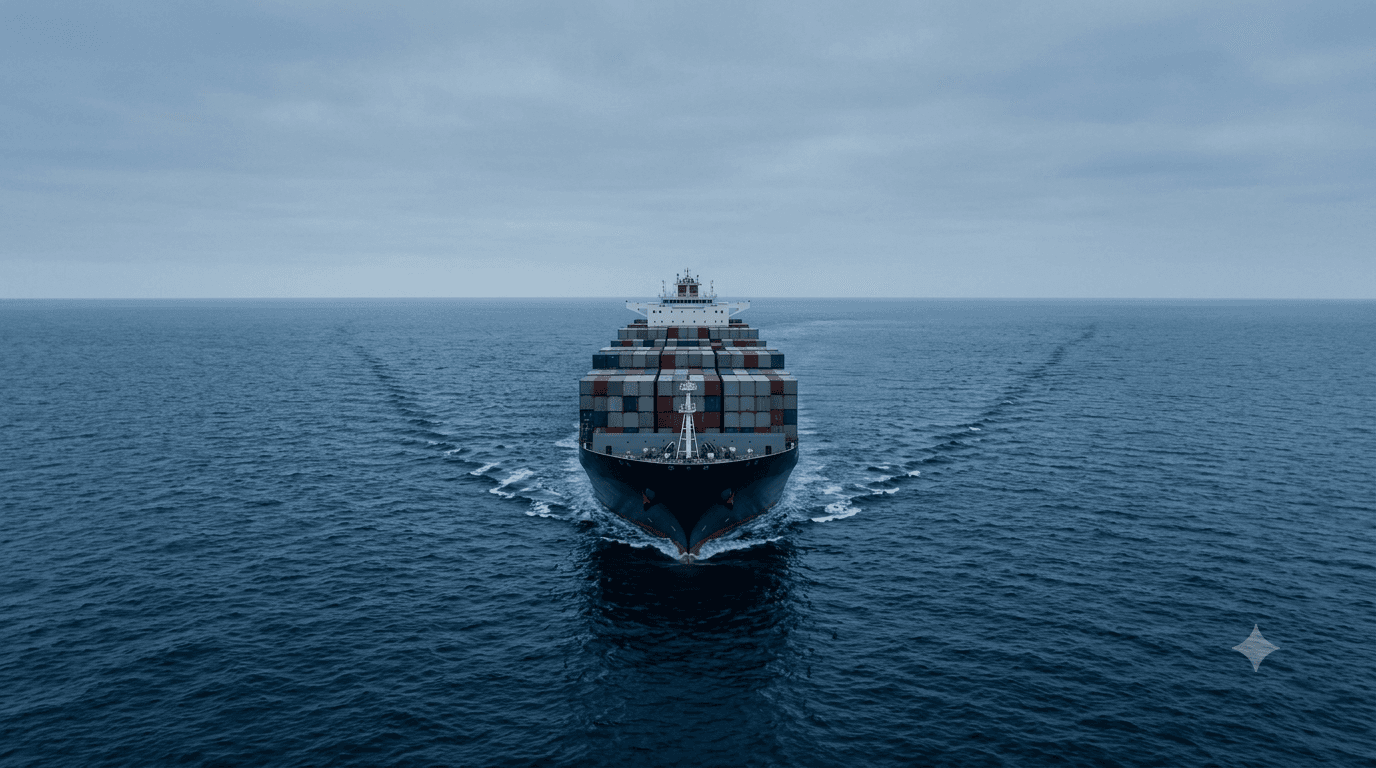
The 2026 Hormuz crisis has reshaped chemical logistics and sustainability metrics across global supply chains. From emissions accounting changes to sourcing diversification and ammonia project delays, procurement teams now face structural shifts that will persist beyond the immediate disruption.
We're committed to your privacy. Tradeasia uses the information you provide to us to contact you about our relevant content, products, and services. For more information, check out our privacy policy.