
Calcium Chloride (E509) CAS: 10043-52-4
The current escalation has directly touched Iran, the US, Kuwait, the UAE, Oman, Jordan, Saudi Arabia and Yemen. Chemical buyers must rank this expanded footprint against past crises to adjust procurement strategies.
The Saudi‑led coalition has launched a comprehensive maritime security initiative in the Red Sea to counter escalating Houthi attacks. This move is reshaping vessel routing, freight pricing, and the global chemical supply chain, demanding greater resilience from tanker operators and logistics providers.
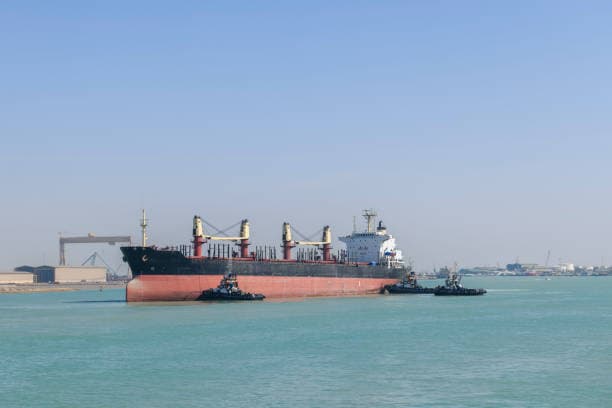
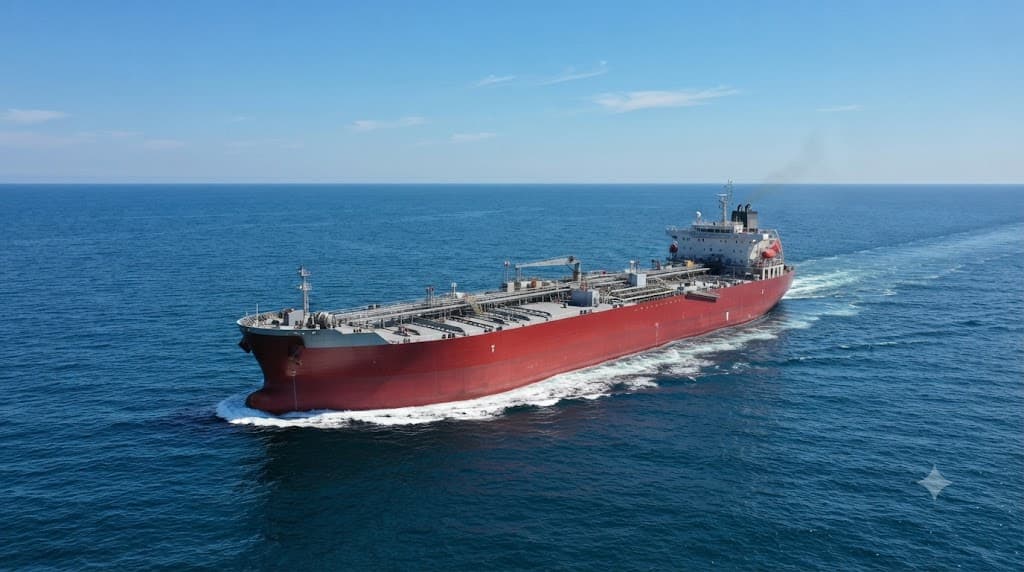
Despite heightened tensions in the Persian Gulf, Iranian-flagged ships continue to navigate key maritime corridors. Their persistent presence offers clues about regional shipping resilience, chemical logistics, and the evolving power dynamics of global supply chains.
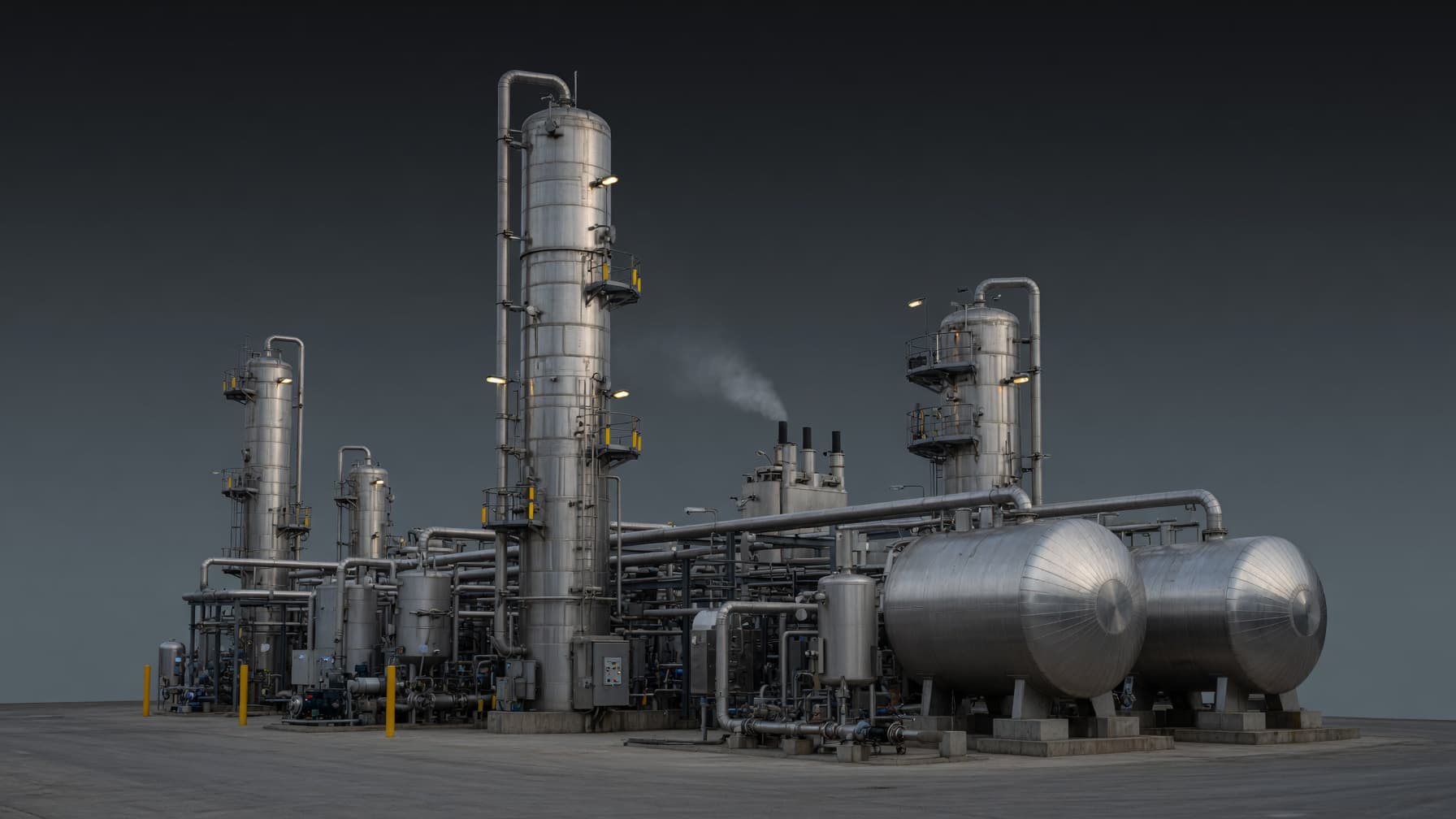
Chemical companies are entering 2026 with a renewed focus on cash flow, portfolio restructuring and selective investment rather than aggressive expansion. Procurement teams should understand how this strategy could affect production capacity, supplier priorities and long-term supply reliability.

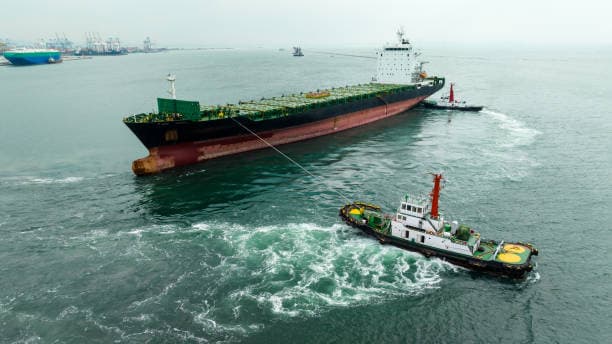
Algeria’s Annaba port is accelerating its expansion to meet a 2027 deadline, adding thousands of workers and new logistics capacity. The project strengthens the country’s position in the global phosphate market and enhances fertilizer supply chains. Read how the upgrade transforms maritime operations and market dynamics.
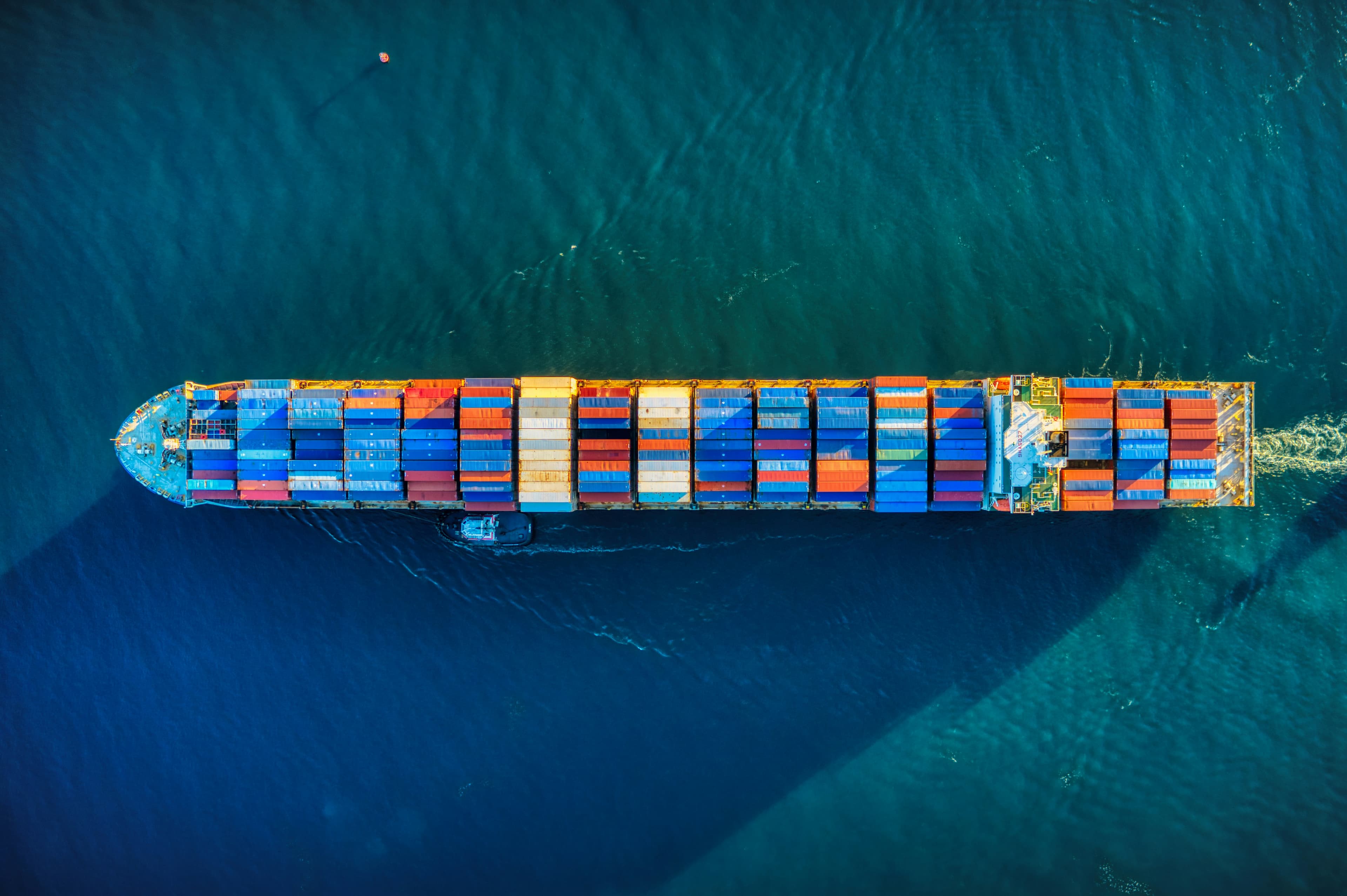
Container freight markets finished H1 2026 well above pre-crisis pricing despite easing fuel costs. This review explains how Cape of Good Hope routing, carrier commitments and war risk surcharges continue to shape chemical logistics costs for H2 2026.
We're committed to your privacy. Tradeasia uses the information you provide to us to contact you about our relevant content, products, and services. For more information, check out our privacy policy.