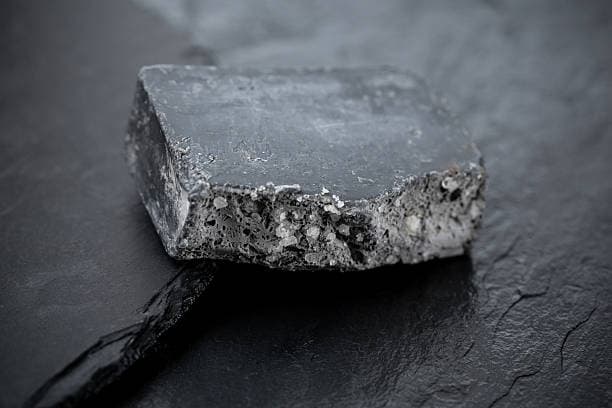

Introduction to Ultrablack Coatings
Ultrablack coatings are engineered to absorb up to 99.9% of incident light, creating the darkest surface known to science. Traditionally dominated by proprietary black pigments, the industry is now embracing a hybrid approach that blends carbon black coatings with carbon nanotube coatings. This combination leverages the high surface area and electrical conductivity of nanotubes while maintaining the proven stability of carbon black.
Why the Hybrid Matters for Automotive Coatings
The automotive sector demands coatings that combine aesthetic allure, performance durability, and regulatory compliance. Ultrablack hybrids meet these needs by offering:
Superior Light Absorption – Reducing glare and improving night‑time visibility for both vehicle components and interior panels.
Thermal Management – High absorbance converts light to heat, which can be dissipated through engineered nanotube networks, mitigating temperature spikes.
Weight Reduction – Nanotubes contribute strength at minimal mass, allowing thinner paint layers without compromising structural integrity.
Environmental Compliance – Low VOC formulations are achievable by replacing traditional solvent‑based binders with polymer matrices that encapsulate the hybrid pigments.
Carbon Black Coatings: The Foundation

Carbon black, produced from the incomplete combustion of hydrocarbons, has long been a staple pigment in automotive paints. Its advantages include:
High optical density and cost‑effectiveness.
Excellent dispersion in resins due to fine particle size.
Robust chemical resistance in harsh automotive environments.
However, pure carbon black struggles with achieving the extreme absorbance of ultrablack, especially in the near‑infrared spectrum. This limitation has spurred research into augmenting its performance with nanostructured additives.
Carbon Nanotube Coatings: Adding Dimensionality
Carbon nanotubes (CNTs) are cylindrical carbon structures with diameters in the nanometer range and lengths that can exceed several micrometers. Their unique properties include:
Exceptional electrical and thermal conductivity.
High aspect ratio, creating a percolation network that enhances light trapping.
Mechanical reinforcement, improving scratch resistance and impact durability.
When dispersed within a carbon black matrix, CNTs form a three‑dimensional web that scatters and absorbs light more effectively than either component alone.
Formulation Strategies for the Hybrid
Developing a stable ultrablack hybrid requires careful control of particle size, surface chemistry, and binder selection. Key steps include:
Surface Functionalization – CNTs are treated with carboxyl or hydroxyl groups to improve compatibility with polymer binders.
Optimized Mixing – High‑energy ball milling creates a uniform dispersion, preventing CNT agglomeration that can compromise optical performance.
Binder Selection – Epoxy or polyester resins are chosen for their adhesion to automotive substrates and ability to encapsulate the hybrid pigment.
Co‑Solvent Systems – Low‑VOC solvents reduce environmental impact while ensuring proper wetting and film formation.
Market Impact on Automotive Coatings
The automotive coatings market, valued at over $70 billion in 2025, is poised for a shift. Manufacturers are adopting ultrablack hybrids to:
Differentiate luxury models with unique styling elements.
Reduce reflective glare on headlights and mirrors, enhancing safety.
Implement energy‑saving strategies by lowering vehicle surface albedo.
Automakers are also exploring interior applications, such as blacked‑out instrument clusters and carbon‑fiber accents, benefiting from the hybrid’s low reflectivity and high scratch resistance.
Specialty Pigments and Black Pigment Technology
Beyond automotive paints, the ultrablack hybrid is influencing specialty pigment development in aerospace, optics, and defense. The technology enables:
Advanced stealth materials with near‑invisible signatures.
High‑performance optical coatings that suppress unwanted light scattering.
Temperature‑controlled panels for high‑altitude aircraft.
Future Outlook and Sustainability Considerations
As regulatory pressures intensify, the industry will focus on:
Biodegradable Binder Matrices – Reducing long‑term environmental impact.
Recyclable Coating Systems – Enabling post‑use recovery of carbon nanostructures.
Energy‑Efficient Production – Harnessing renewable energy during CNT synthesis to cut carbon footprints.
In conclusion, the carbon black and carbon nanotube hybrid represents a breakthrough in ultrablack technology, offering automotive manufacturers unprecedented control over light absorption, thermal behavior, and aesthetic appeal. As the market matures, these coatings will become integral to next‑generation vehicle design, specialty pigment applications, and sustainable material science.
Styrene Monomer CAS: 100-42-5