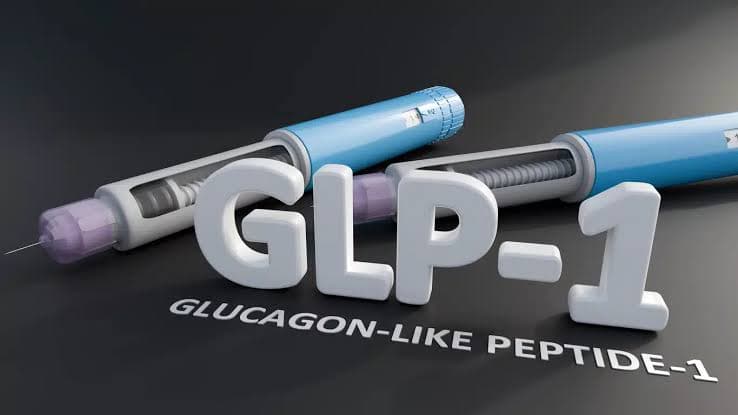
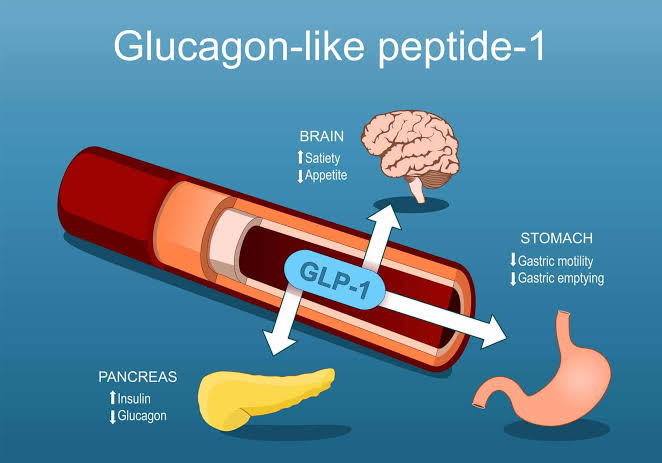
The pharmaceutical industry is entering one of its most significant manufacturing transitions in recent years. As GLP-1 drug patents begin to expire, generic manufacturers are preparing to expand production of peptide-based therapies used for diabetes and weight management. India has emerged as one of the leading destinations for this expansion, with several contract development and manufacturing organizations (CDMOs) investing heavily in solid-phase peptide synthesis (SPPS) capacity.
While manufacturing infrastructure continues to grow, procurement teams face an equally important challenge: securing reliable supplies of high-purity peptide synthesis chemicals. Raw materials such as trifluoroacetic acid (TFA), pharmaceutical-grade dimethylformamide (DMF), Fmoc amino acids, and peptide synthesis resins are becoming strategic procurement priorities. Companies that establish long-term supply agreements during July 2026 will be better positioned to support commercial production in H2 2026 and beyond.
India's CDMO Industry Is Expanding Rapidly
India continues strengthening its position as a global pharmaceutical manufacturing hub through significant investments in peptide manufacturing facilities.
Major growth drivers include:
Generic GLP-1 opportunities
Expansion of peptide therapeutics
Contract manufacturing demand
International outsourcing
Advanced synthesis technologies
Capacity expansion by leading CDMOs
These investments are expected to support long-term growth across the pharmaceutical manufacturing sector.
GLP-1 Manufacturing Depends on Specialized Raw Materials
Unlike conventional small-molecule drugs, peptide medicines require highly specialized manufacturing inputs.
Critical raw materials include:
Trifluoroacetic Acid (TFA)
Pharmaceutical Grade DMF
Fmoc Amino Acids
SPPS Resin
Coupling Reagents
High-Purity Solvents
Even temporary shortages of these materials can delay production schedules and increase manufacturing costs.
TFA Remains One of the Most Critical Inputs
Trifluoroacetic acid plays an essential role during peptide synthesis and purification.
Its primary applications include:
Peptide cleavage
Resin deprotection
Purification processes
Analytical preparation
Process development
Laboratory research
As global demand grows, procurement teams are prioritizing long-term TFA supply agreements to reduce production risk.
Pharmaceutical-Grade DMF Supports Peptide Production
High-purity DMF remains one of the most widely used solvents in peptide manufacturing.
Its advantages include:
Excellent solvent performance
High purity
Process consistency
Compatibility with peptide synthesis
Reliable manufacturing performance
Broad pharmaceutical acceptance
Demand is expected to increase alongside expanding peptide production capacity.
Supplier Qualification Takes Time
Alternative supplier approval within pharmaceutical manufacturing requires comprehensive evaluation.
Qualification activities typically include:
Quality audits
GMP verification
Analytical testing
Stability studies
Validation batches
Regulatory documentation
Because these processes require several months, early procurement planning remains essential.
Long-Term Contracts Reduce Supply Risk
Many pharmaceutical manufacturers are shifting from spot purchasing toward strategic sourcing.
Key procurement strategies include:
Multi-year supply agreements
Dual sourcing
Capacity reservations
Safety stock planning
Supplier diversification
Forecast sharing
These approaches improve supply continuity while reducing exposure to market volatility.
Procurement Priorities for H2 2026
Companies supporting GLP-1 manufacturing should strengthen procurement programs during H2.
Recommended actions include:
Secure TFA supply agreements.
Finalize pharmaceutical-grade DMF contracts.
Qualify additional Fmoc amino acid suppliers.
Expand approved vendor lists.
Increase inventory visibility.
Monitor peptide raw material markets.
Early procurement decisions can help prevent manufacturing bottlenecks during future production expansion.
Market Outlook
The global GLP-1 manufacturing sector is expected to remain one of the fastest-growing pharmaceutical markets throughout H2 2026. As patent expiries continue creating opportunities for generic manufacturers, demand for peptide synthesis chemicals will likely increase faster than overall pharmaceutical raw material consumption.
Indian CDMOs are well positioned to benefit from this growth due to expanding manufacturing capacity, skilled technical expertise, and competitive production capabilities. However, long-term success will depend not only on manufacturing investments but also on securing reliable supplies of TFA, pharmaceutical-grade DMF, Fmoc amino acids, and other specialized peptide manufacturing chemicals. Companies that establish resilient procurement strategies during July 2026 will be better prepared to meet rising commercial demand over the coming years.
Key Takeaways
GLP-1 patent expiries are accelerating global peptide manufacturing.
India continues expanding CDMO capacity for generic GLP-1 APIs.
TFA, pharmaceutical-grade DMF, and Fmoc amino acids remain critical raw materials.
Supplier qualification requires significant planning and documentation.
Long-term procurement contracts improve production security.
Strategic sourcing reduces exposure to supply disruptions.
Demand for peptide manufacturing chemicals is expected to grow throughout H2 2026.
Early procurement planning will support successful commercial scale-up.