
Related Insights
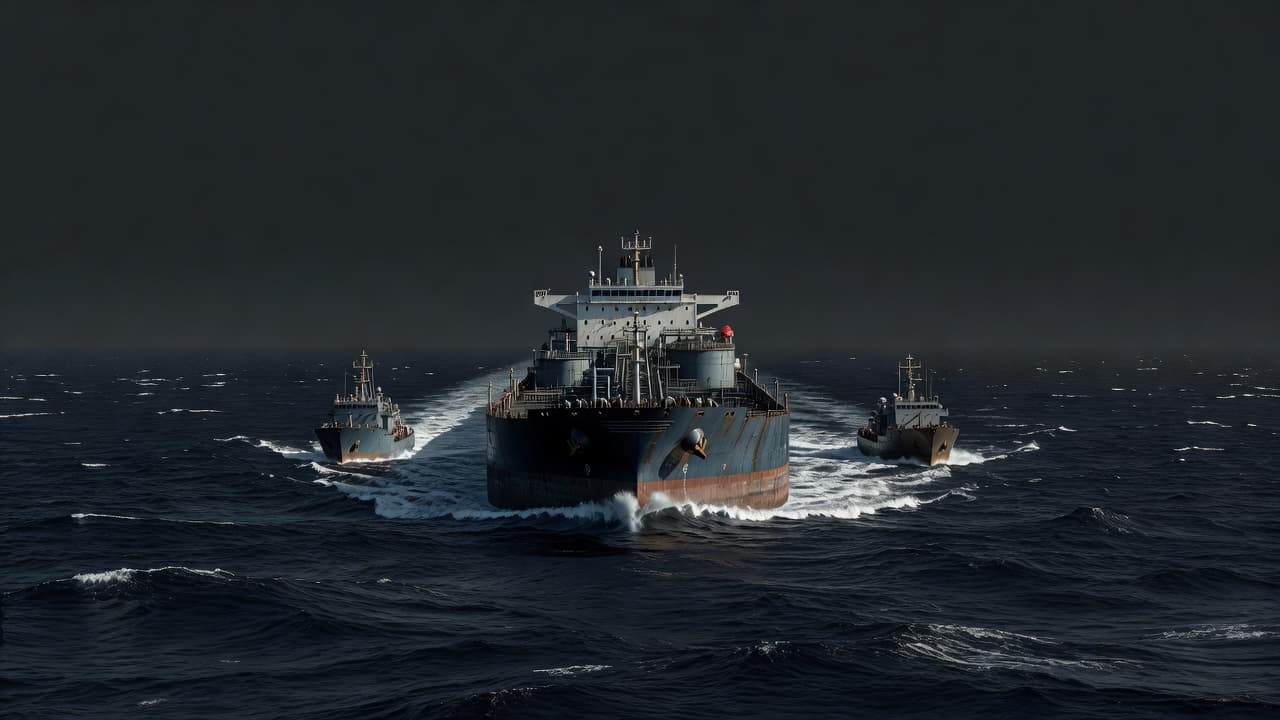
War-Risk Insurance Under Scrutiny: What Rising Gulf Premiums Mean for Chemical Trade
War-risk insurance premiums surged by around 50% during the earlier Gulf disruption, increasing logistics costs for chemical shipments. Procurement and compliance teams should understand how insurance pricing and regulatory oversight can influence sourcing decisions and freight budgets.

Japan's Agrochemical Pivot Toward India: Following the Solar Materials Playbook
As Japanese chemical makers redirect investment from China to India across sectors like solar materials, agrochemical suppliers are watching whether a similar shift plays out in crop protection. For procurement teams managing fungicide, herbicide and insecticide portfolios, understanding whether this geographic pivot extends to agricultural chemicals matters for supply chain planning and sourcing strategy.
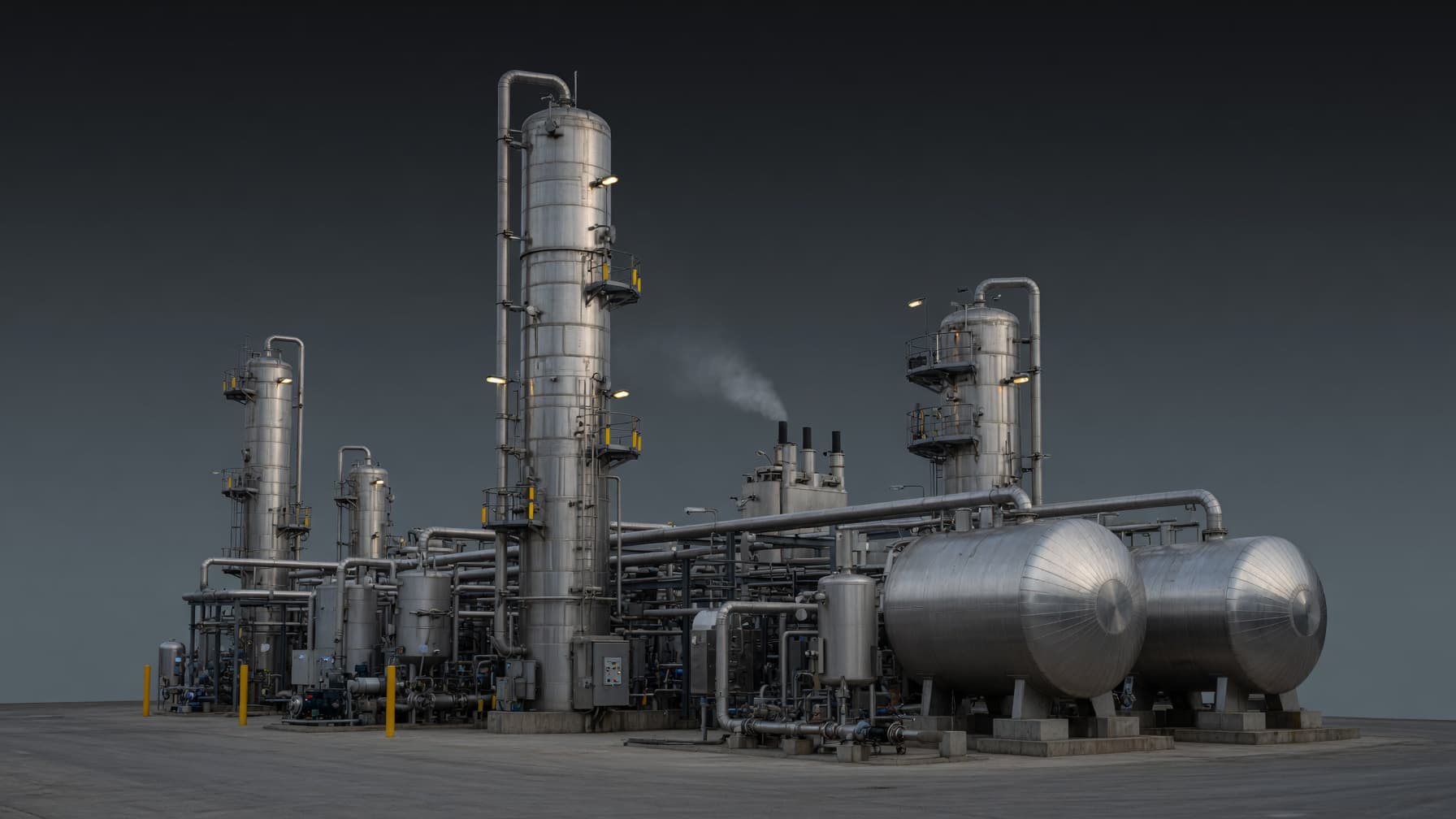
The Global Chemical Downcycle: What “Prioritizing Cash Flow” Really Means for 2026 Output
Chemical companies are entering 2026 with a renewed focus on cash flow, portfolio restructuring and selective investment rather than aggressive expansion. Procurement teams should understand how this strategy could affect production capacity, supplier priorities and long-term supply reliability.
Acrylonitrile Data Reversal: What a 520,000-Tonne Reporting Swing Means for Chemical Procurement
A reported 520,000-tonne acrylonitrile data reversal in early July 2026 highlights how production statistics can change rapidly and influence market expectations. Procurement teams should understand why reliable market intelligence is just as important as pricing when making sourcing decisions.
Cefic Q1 2026: Production Decline and Its Ripple Effect on Intra‑EU Chemical Trade
The first quarter 2026 Cefic report highlights a sharper than expected drop in EU chemical output, tightening capacity utilisation and reshaping trade flows. This article explores how lower production levels alter intra‑EU imports, transport demand and logistics planning, and what firms can do to stay agile.

Sustainability and the Hormuz Crisis: Five Permanent Chemical Supply Chain Shifts for 2026 and Beyond
The 2026 Hormuz crisis has reshaped chemical logistics and sustainability metrics across global supply chains. From emissions accounting changes to sourcing diversification and ammonia project delays, procurement teams now face structural shifts that will persist beyond the immediate disruption.
Don't miss out on our updates! Subscribe to our newsletter now
We're committed to your privacy. Tradeasia uses the information you provide to us to contact you about our relevant content, products, and services. For more information, check out our privacy policy.