
Borax Decahydrate (Technical Grade) - Argentina CAS: 1303-96-4
Borax Decahydrate (Technical Grade) - Argentina CAS: 1303-96-4

Despite a steady rise in crude output, Gulf refineries are still catching up, creating a mismatch between supply and demand for refined products. This article explores the causes, the effects on petrochemical feedstocks, and how export logistics are being reshaped by the slowdown.

ADNOC’s two‑hub strategy reshapes the UAE chemical market. While Ruwais ramps up convoy operations, Sohar continues to dominate due to its established logistics network and lower congestion. Chemical buyers must weigh cost, risk, and supply‑chain nuances for Q3 2026.

The upcoming VCI Q2 2026 report underscores a sharp decline in German chemical production, driven by soaring feedstock costs and weak domestic demand. Naphtha‑based downstream plants are hit hardest, while export disruptions to Asia and the Gulf further strain utilization rates. For buyers, the data offers critical insight into supplier stability and pricing dynamics across Europe.

The 2026 Hormuz crisis disrupted global chemical trade, but created major commercial winners. From OCP Morocco and Nutrien to Wanhua Chemical and US exporters, H1 2026 proved that supply chain disruption often shifts value rather than destroying it.
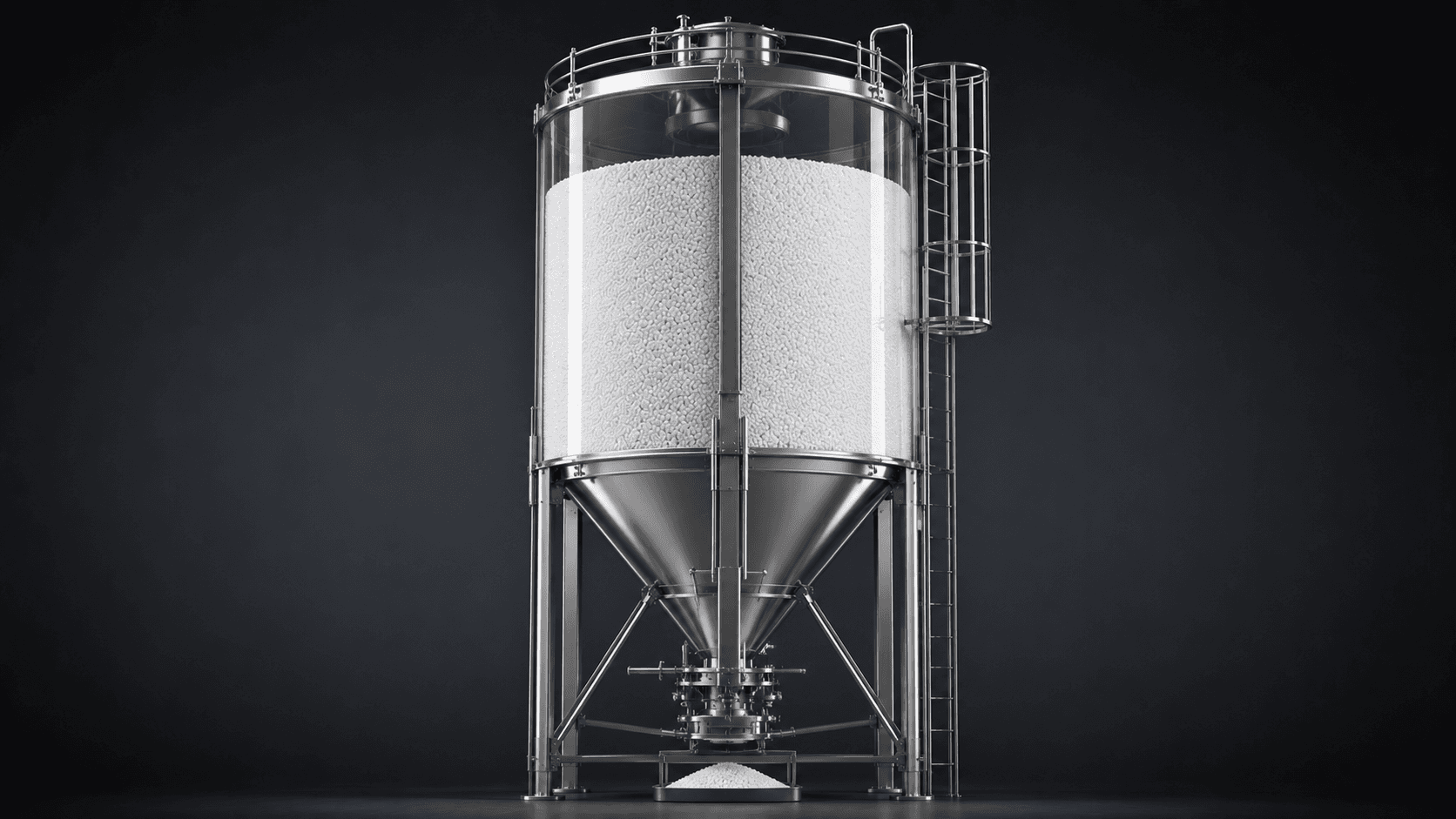
Polyethylene markets are entering a new phase as Braskem gradually restores supply following months of allocation controls. While physical availability improves, procurement teams still face uncertainty from pricing volatility, ownership developments and shifting global trade flows.

Petrochemical markets entered Q3 2026 with uncertainty still dominating procurement decisions. From Hormuz shipping recovery to Chinese MTO output and European cracker utilization, five critical variables could reshape chemical prices over the coming months.
We're committed to your privacy. Tradeasia uses the information you provide to us to contact you about our relevant content, products, and services. For more information, check out our privacy policy.