
Calcium Hydroxide - China CAS: 1305-62-0
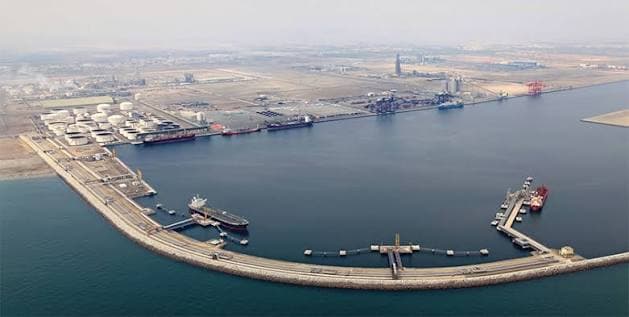
Port of Sohar enters a critical operational phase as recovering Gulf shipping collides with stranded-vessel backlog clearance. While regional logistics continue improving, berth congestion at Oman's primary chemical hub may become the next bottleneck affecting Gulf chemical supply chains.
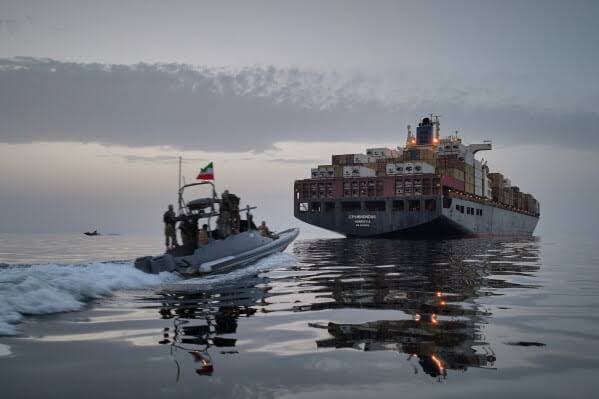
Kpler confirmed 34 vessel crossings through Hormuz on June 30, a sixfold increase over June’s average daily traffic. For chemical procurement professionals, the number signals the first meaningful Gulf supply recovery in months, but sustained movement over the next 48 hours will determine whether true normalization has begun.
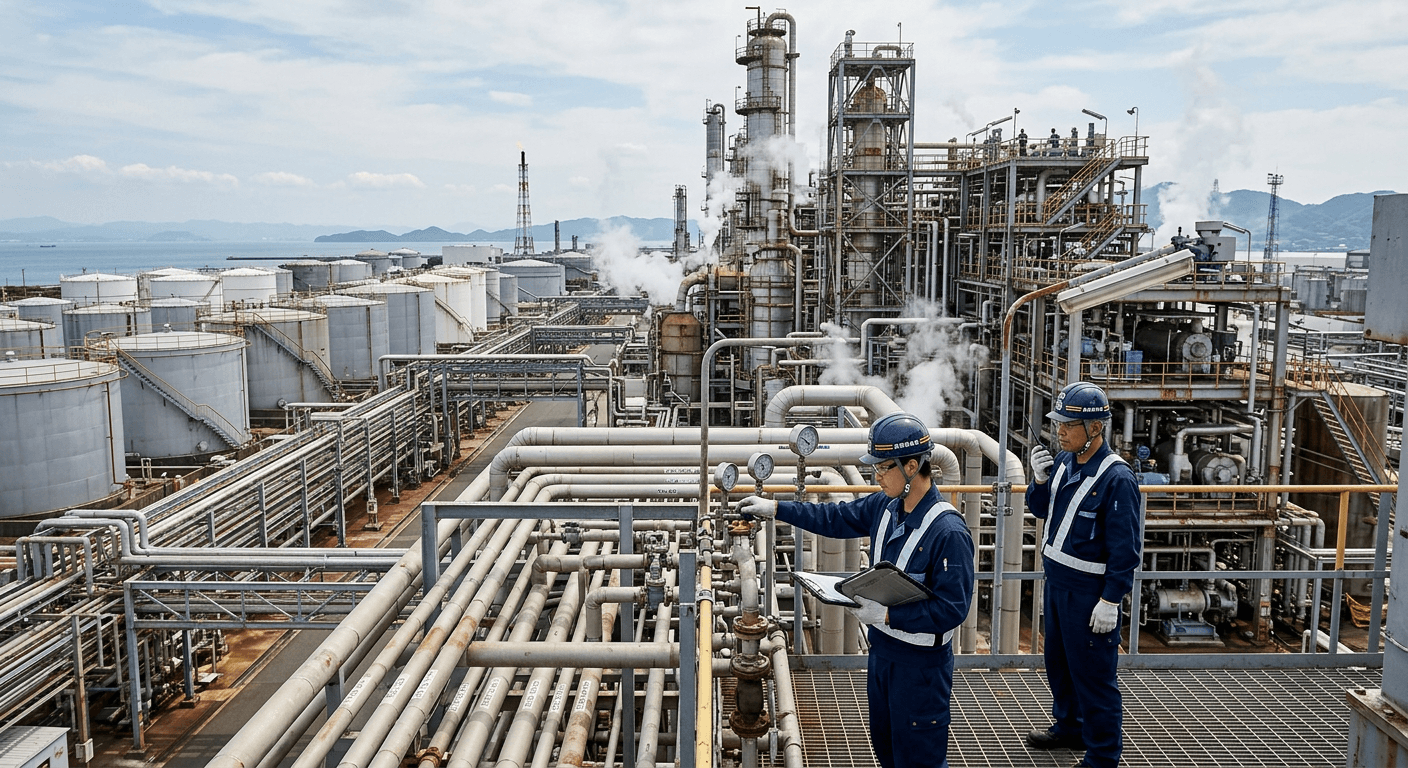
Methanol buyers are facing a critical Q3 planning challenge as Strait of Hormuz transit remains far below normal levels. Physical shipping data now matters more than diplomatic signals when assessing supply availability and pricing risk.
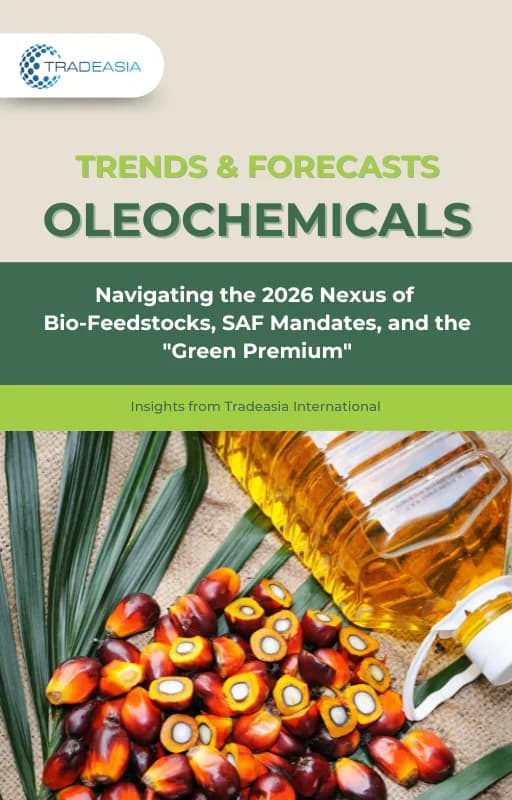
Today's Doha talks could reshape chemical shipping logistics across the Gulf. With elevated maritime risk, delayed vessel movements and cautious carrier policies, procurement teams need to understand how today's diplomatic outcome could affect Q3 sourcing, freight costs and supply chain planning.
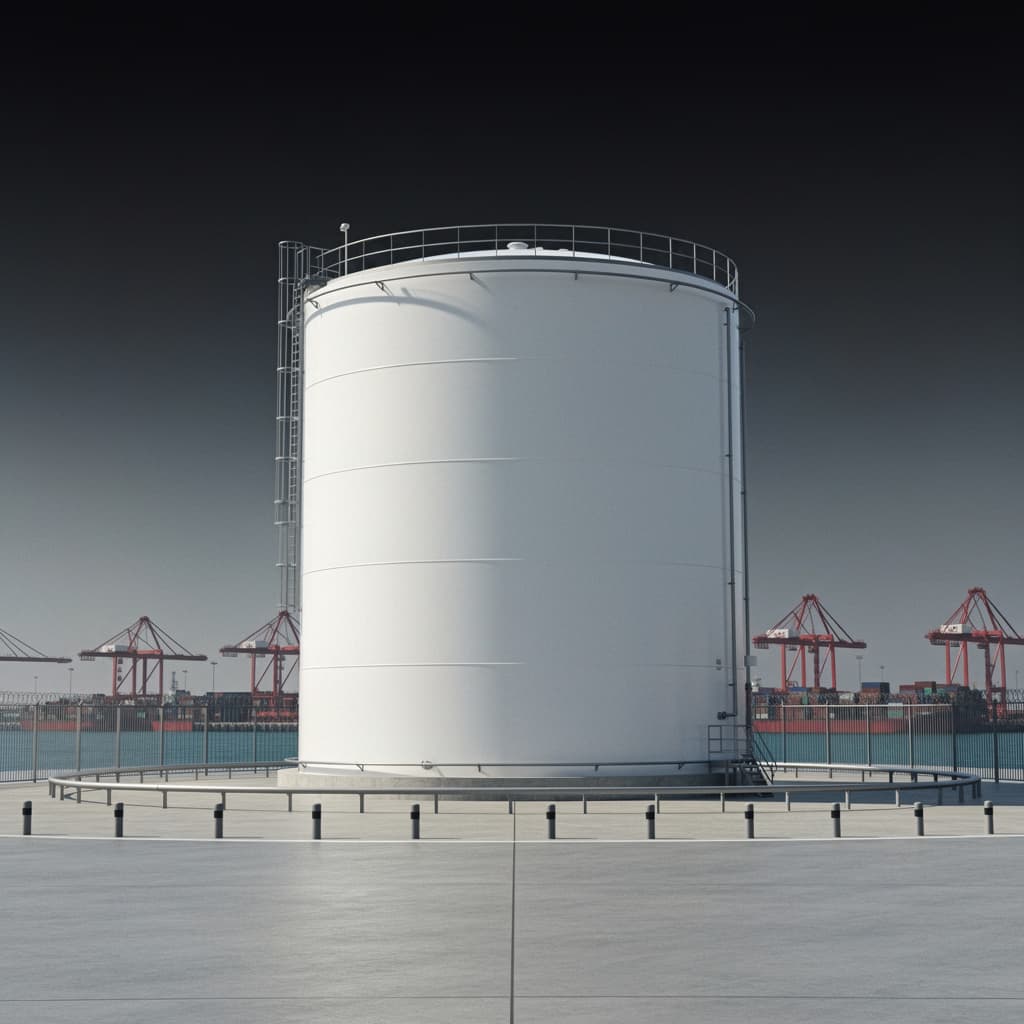
Chemical procurement teams are facing a new supply chain challenge as Gulf shipping risks increase while energy and commodity flows recover. This analysis explains how recent ship attacks could influence chemical sourcing, freight planning and supplier strategies.

The IRGC’s recent strikes on the "Ever Lovely" and "Kiku" tankers expose a stark contradiction between Iran’s foreign ministry and its armed forces. This internal conflict forces global chemical buyers to reassess the safety and legality of sourcing from Iranian petrochemicals amid shifting export waivers and maritime threats.
We're committed to your privacy. Tradeasia uses the information you provide to us to contact you about our relevant content, products, and services. For more information, check out our privacy policy.