
Biotin CAS: 58-85-5

Biotin CAS: 58-85-5
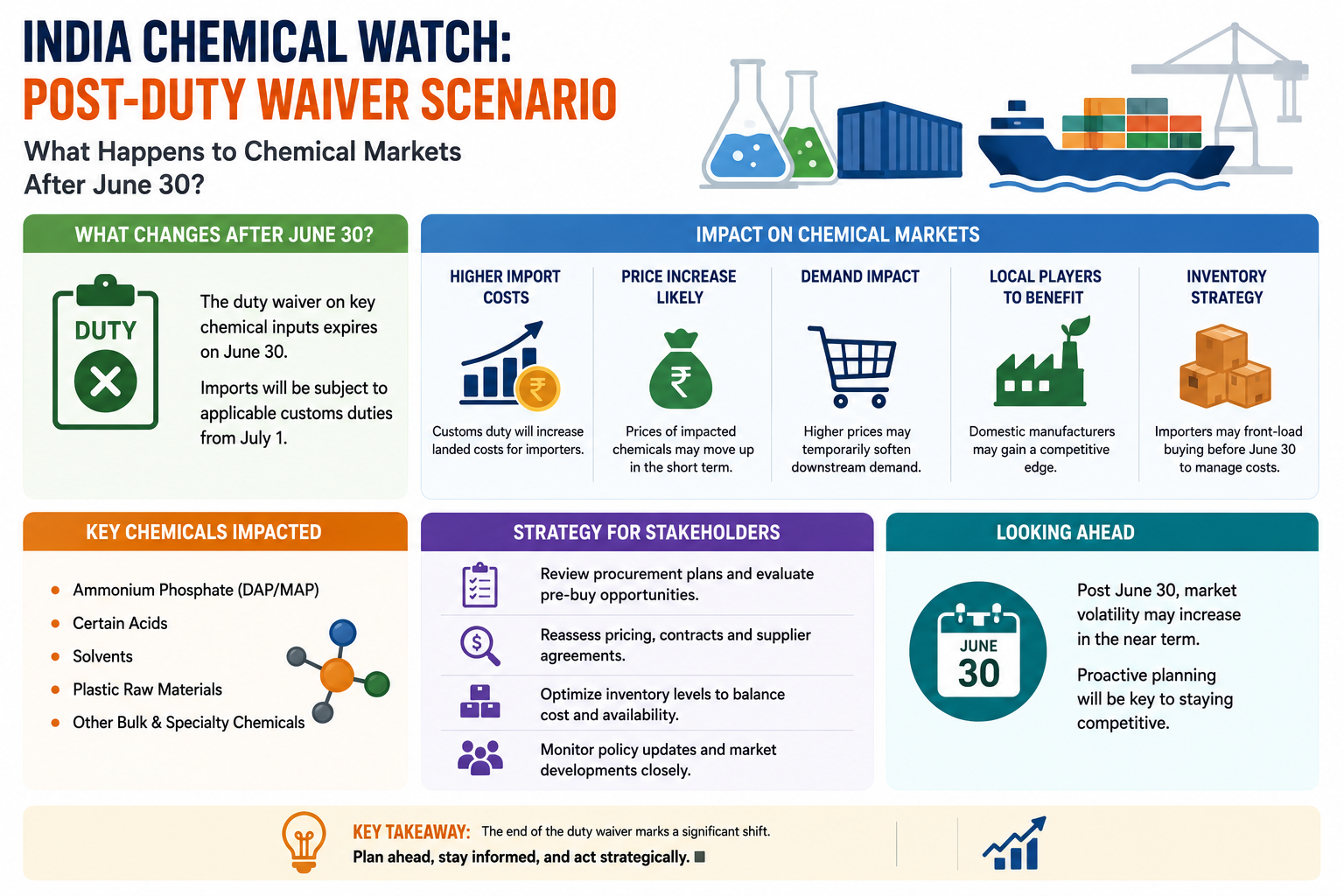
India's medical device manufacturers have entered a new cost environment following the reinstatement of customs duty on key polymer inputs. Procurement teams should prepare for higher supplier quotations as the industry seeks government relief.

Pakistan enters July 2026 with improving chemical import conditions supported by lower crude prices, recovering Gulf logistics and easing freight costs. However, foreign exchange constraints and trade finance remain the defining commercial risks for international suppliers.

China's chemical industry ended H1 2026 as the world's primary swing supplier, filling supply gaps created by disruptions in Gulf exports. As Middle Eastern production steadily returns, procurement teams must determine which Chinese export advantages remain permanent and which were driven by exceptional market conditions.
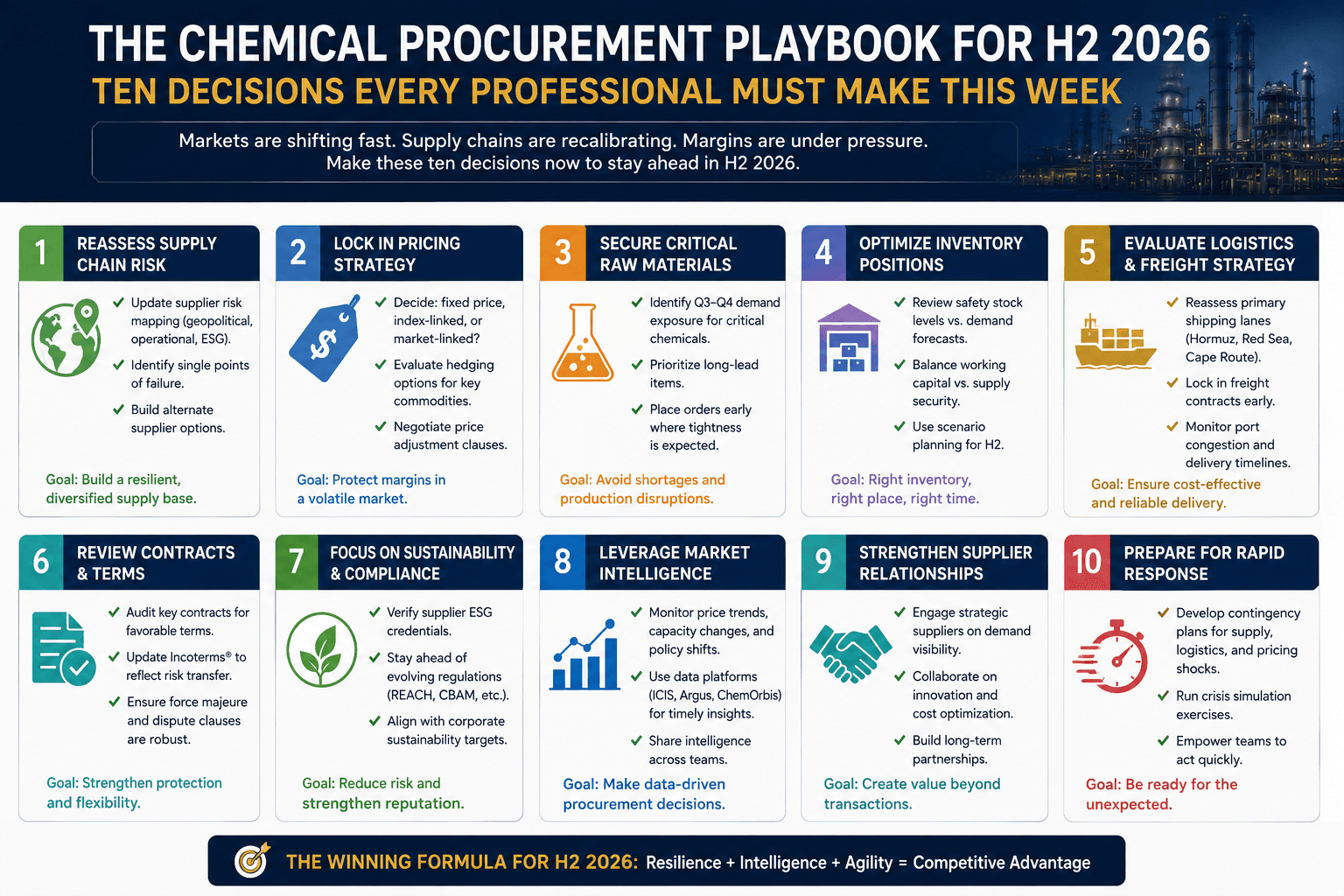
H2 2026 begins with a critical decision window for chemical procurement professionals. From India duty deadlines and Gulf supply recovery to freight renegotiation, fertilizer contracts, and regulatory compliance, these ten strategic decisions could define procurement performance for the rest of the year.
The polyethylene market enters a new competitive phase as Gulf producers restore exports to Asia following recent shipping disruptions. Procurement teams now face changing freight economics, narrowing cost advantages and new sourcing decisions that could reshape polyethylene trade through the second half of 2026.
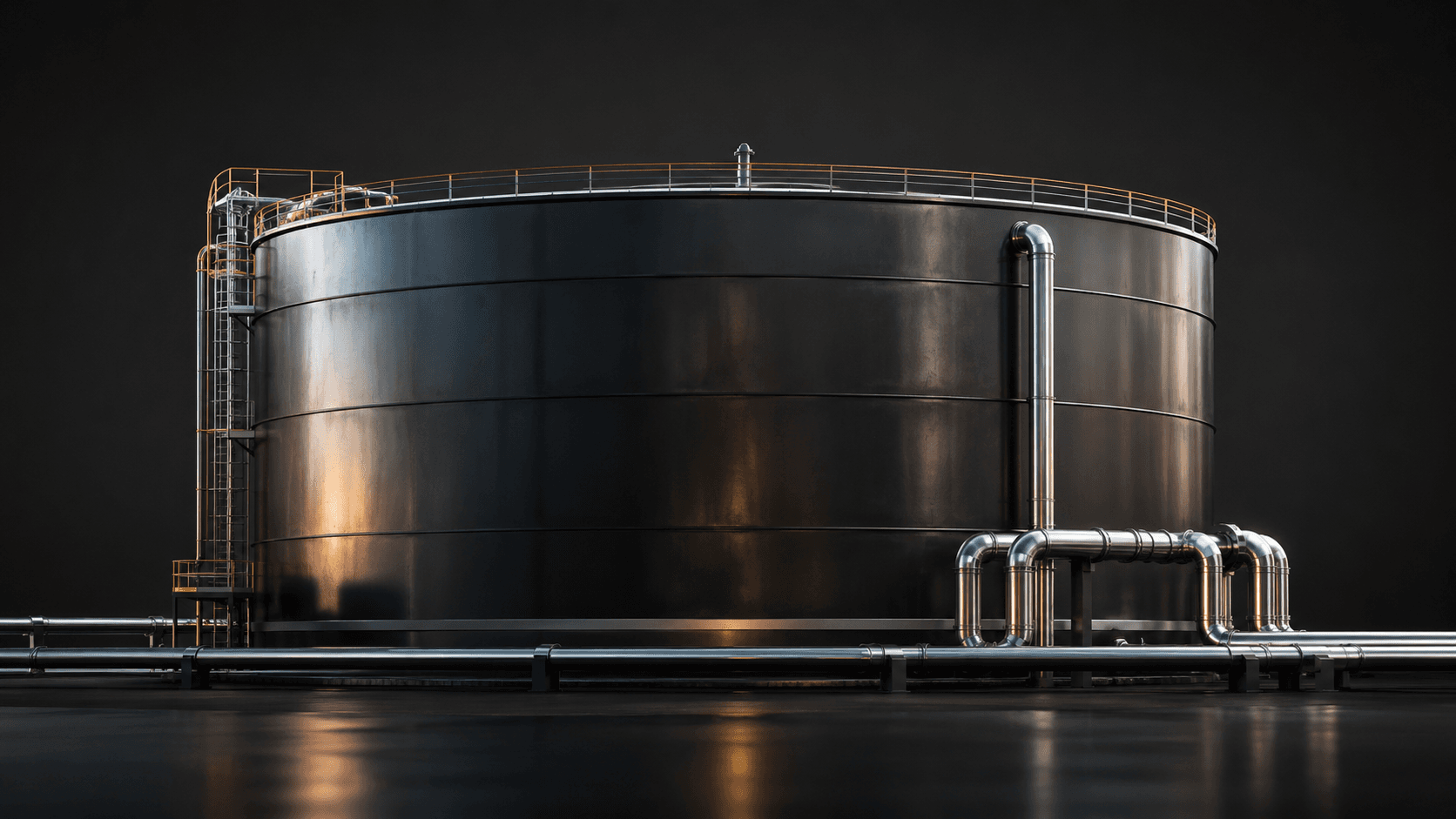
Brent crude has dropped to $72.60 despite ongoing military escalation across the Gulf. This unusual market reaction signals that supply recovery currently outweighs geopolitical risk, creating important implications for petrochemical procurement and chemical pricing in the months ahead.
We're committed to your privacy. Tradeasia uses the information you provide to us to contact you about our relevant content, products, and services. For more information, check out our privacy policy.