
Polyethylene Terephthalate (PET) CAS: 25038-59-9
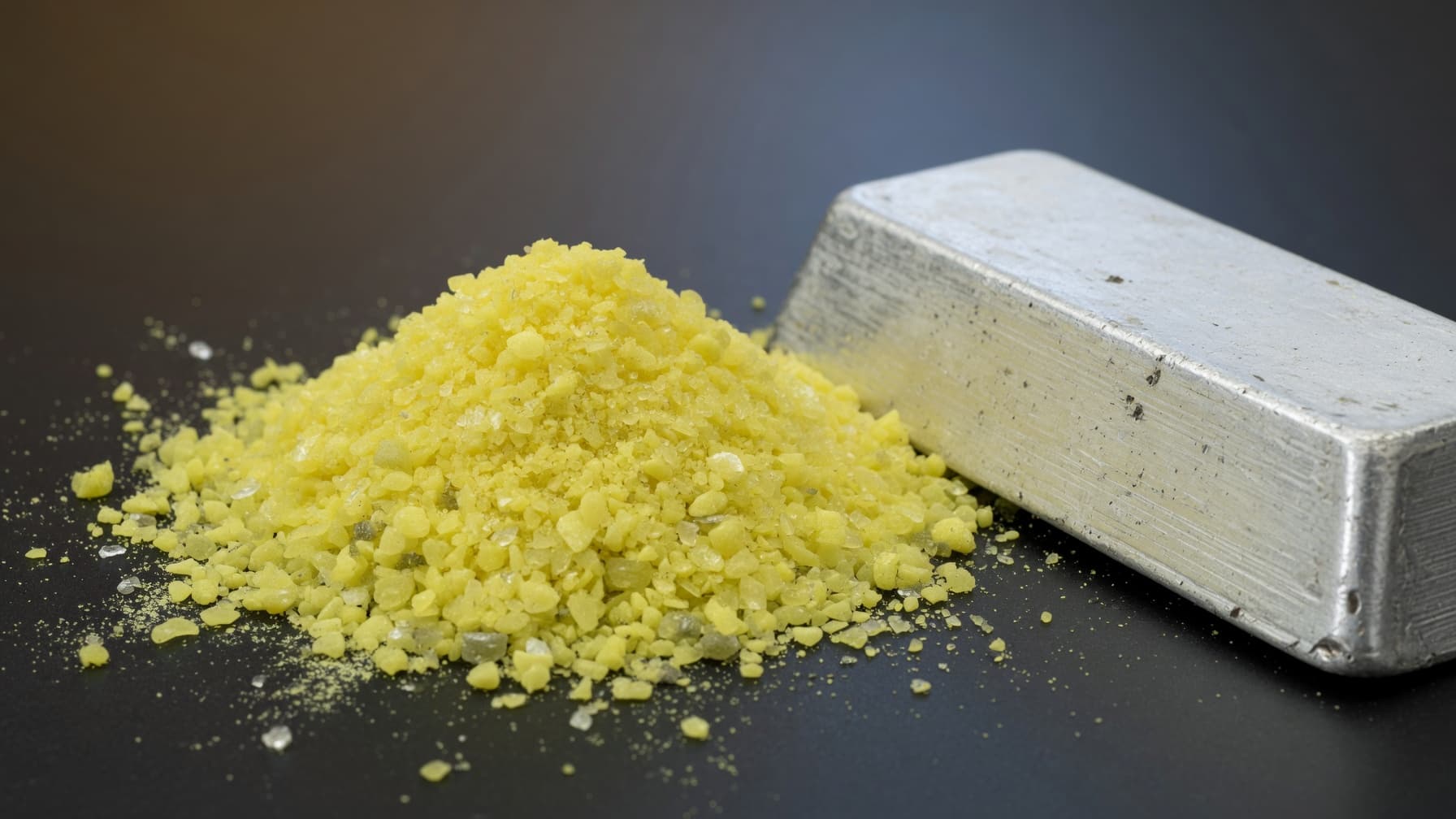
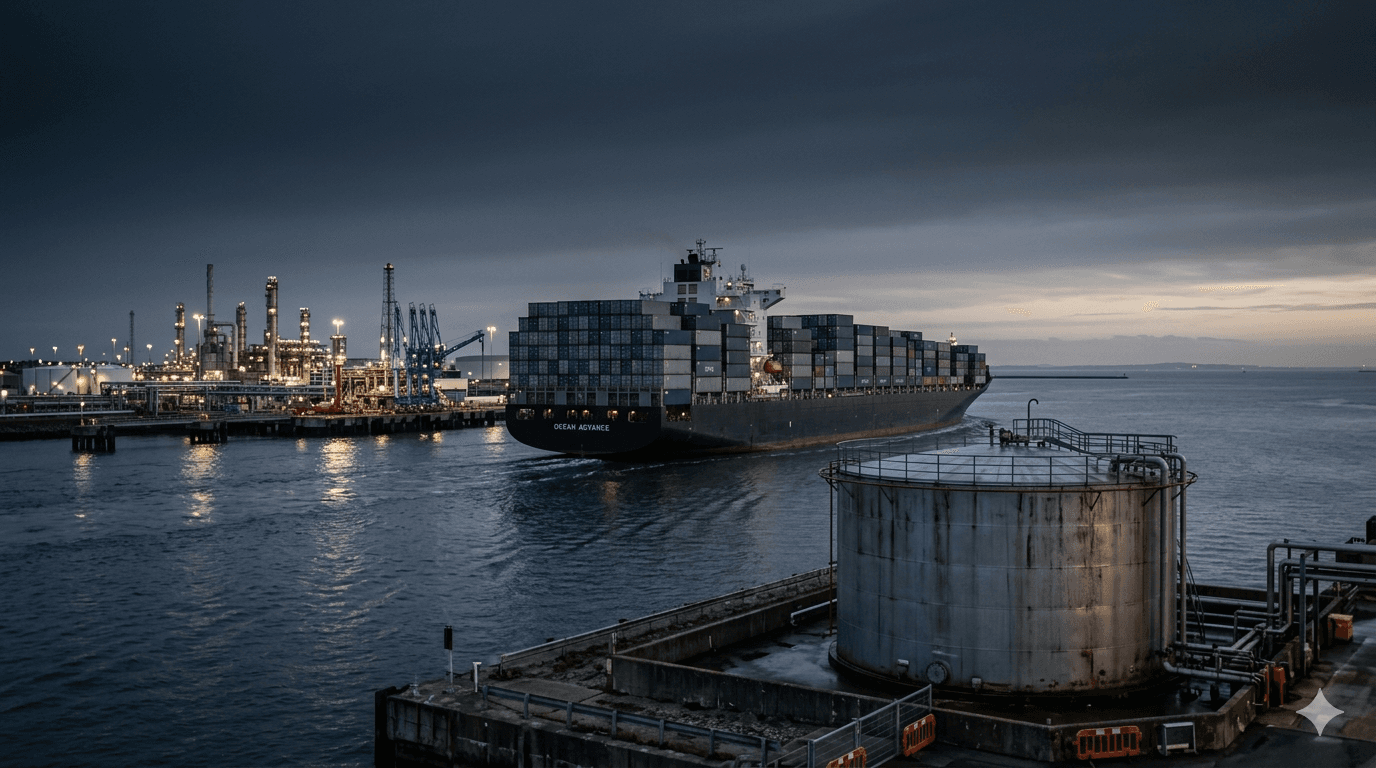
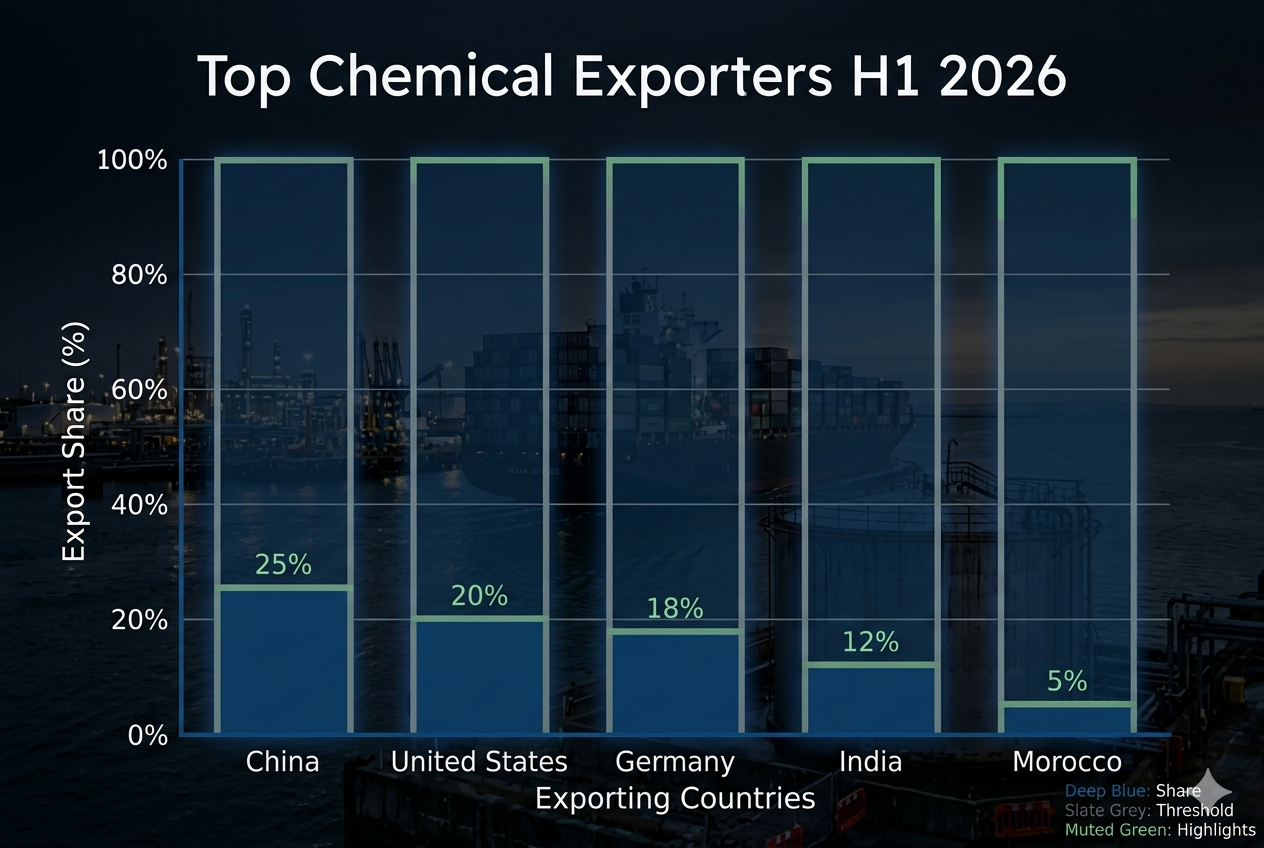
The Strait of Hormuz disruption extends beyond oil markets, affecting sulfur, aluminum, methanol and graphite that support global chemical manufacturing. Procurement teams should reassess sourcing strategies as industrial raw material risks continue to evolve.
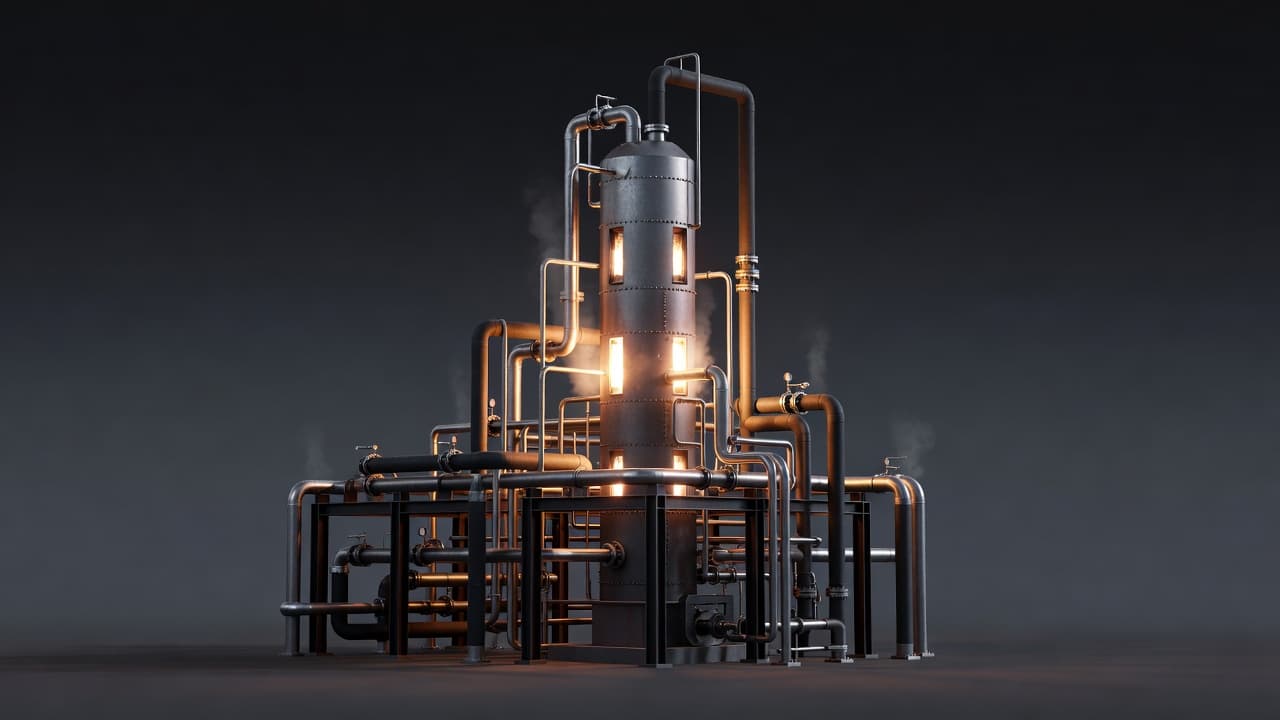
Chinese steam crackers operating near maximum capacity can spread fixed costs across larger output volumes and export surplus petrochemicals into global markets. European crackers averaging around 75% utilization face a widening cost disadvantage that could reshape polymer pricing, regional production and procurement strategies
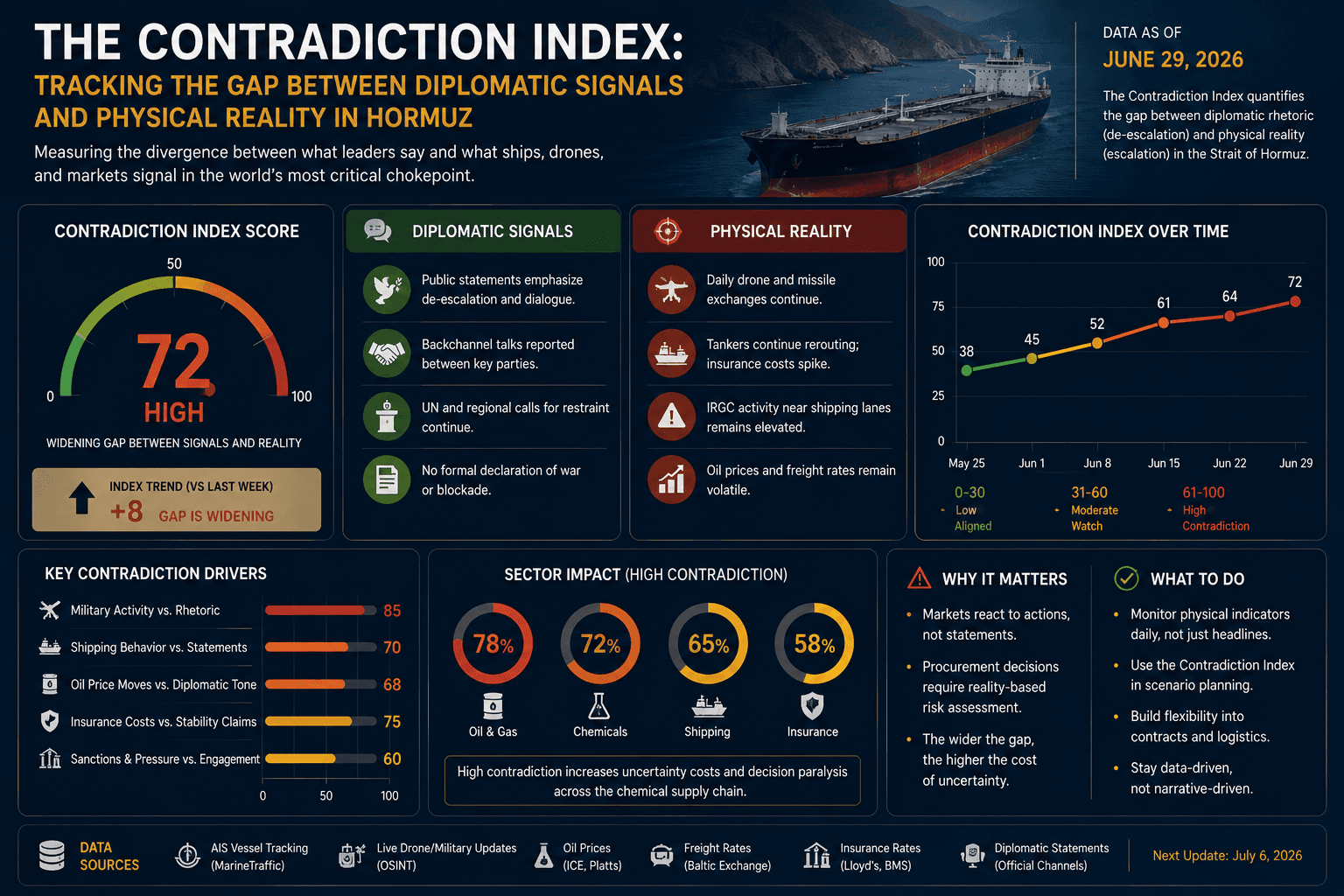
July 1 reveals the biggest contradiction of the Hormuz crisis so far: diplomacy suggests progress, but physical shipping data shows continued disruption. For chemical procurement professionals, understanding the gap between political signals and operational reality has become essential for making correct supply chain decisions.
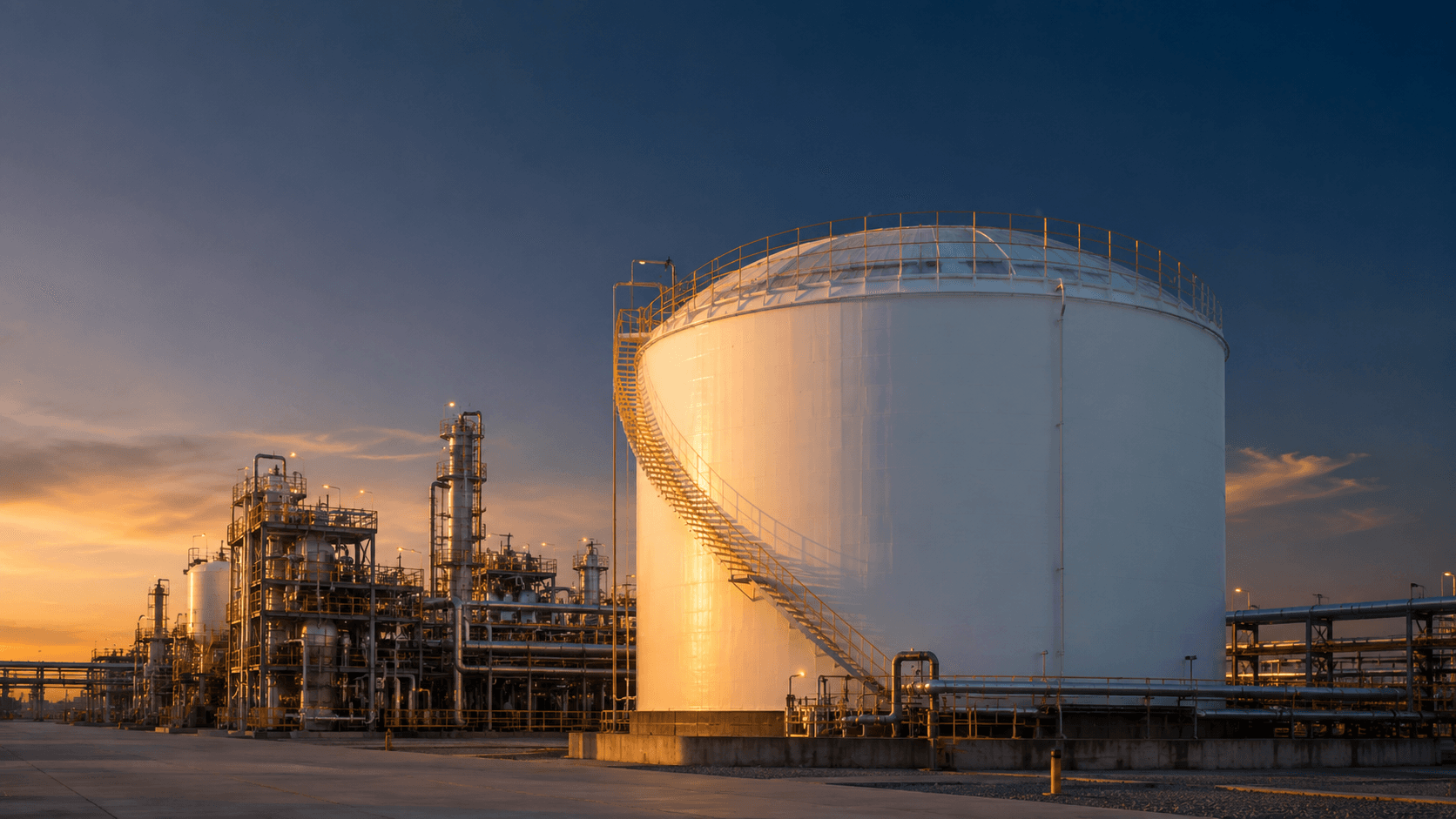
Golden Triangle Polymers represents one of the largest petrochemical investments entering operation in 2026. This analysis explores how the project could reshape HDPE and LLDPE supply, influence global trade flows and why procurement teams are closely watching market developments.
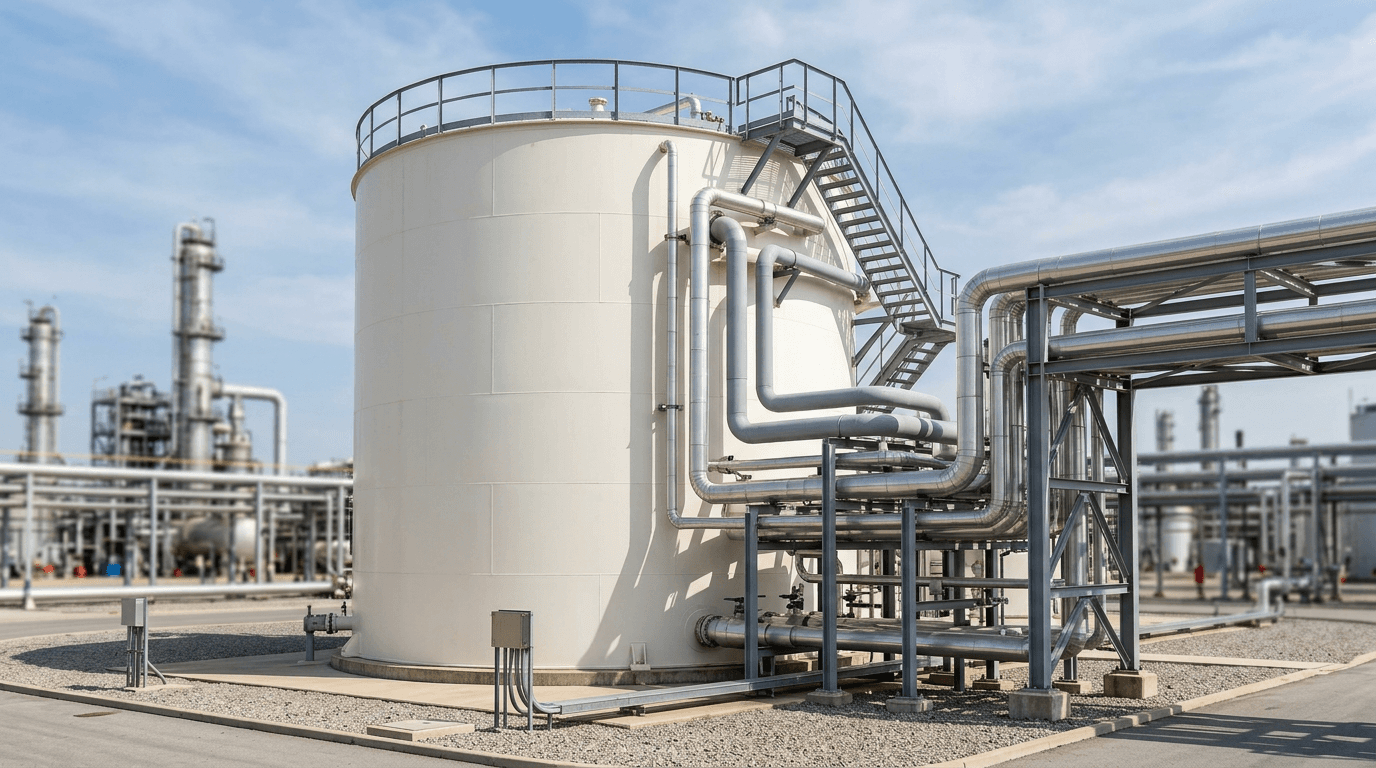
India’s zero-duty petrochemical import window reaches its deadline as manufacturers prepare for possible cost changes. This update explains how the duty waiver expiry may affect chemical sourcing, landed costs and procurement strategies.
The week spanning June 30 to July 7 could become one of the most important trade policy periods of 2026 for chemical buyers, with simultaneous developments in India, the European Union and the United States reshaping procurement decisions.
We're committed to your privacy. Tradeasia uses the information you provide to us to contact you about our relevant content, products, and services. For more information, check out our privacy policy.