
Related Insights
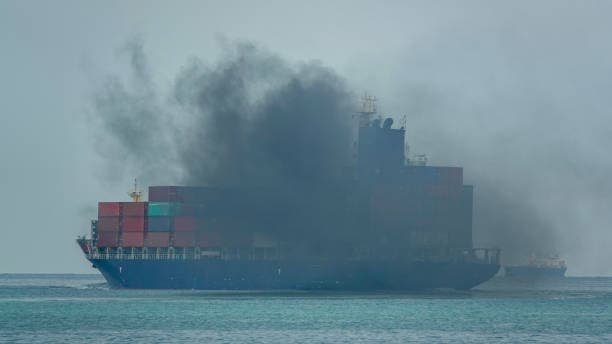
ADNOC Tanker Attack Highlights Human Cost of Maritime Transits
The fatal ADNOC tanker attack underscores the peril commercial vessels face. Beyond the tragic loss of life, such incidents ripple through safety protocols, crew welfare, insurance premiums, and chemical supply chains.
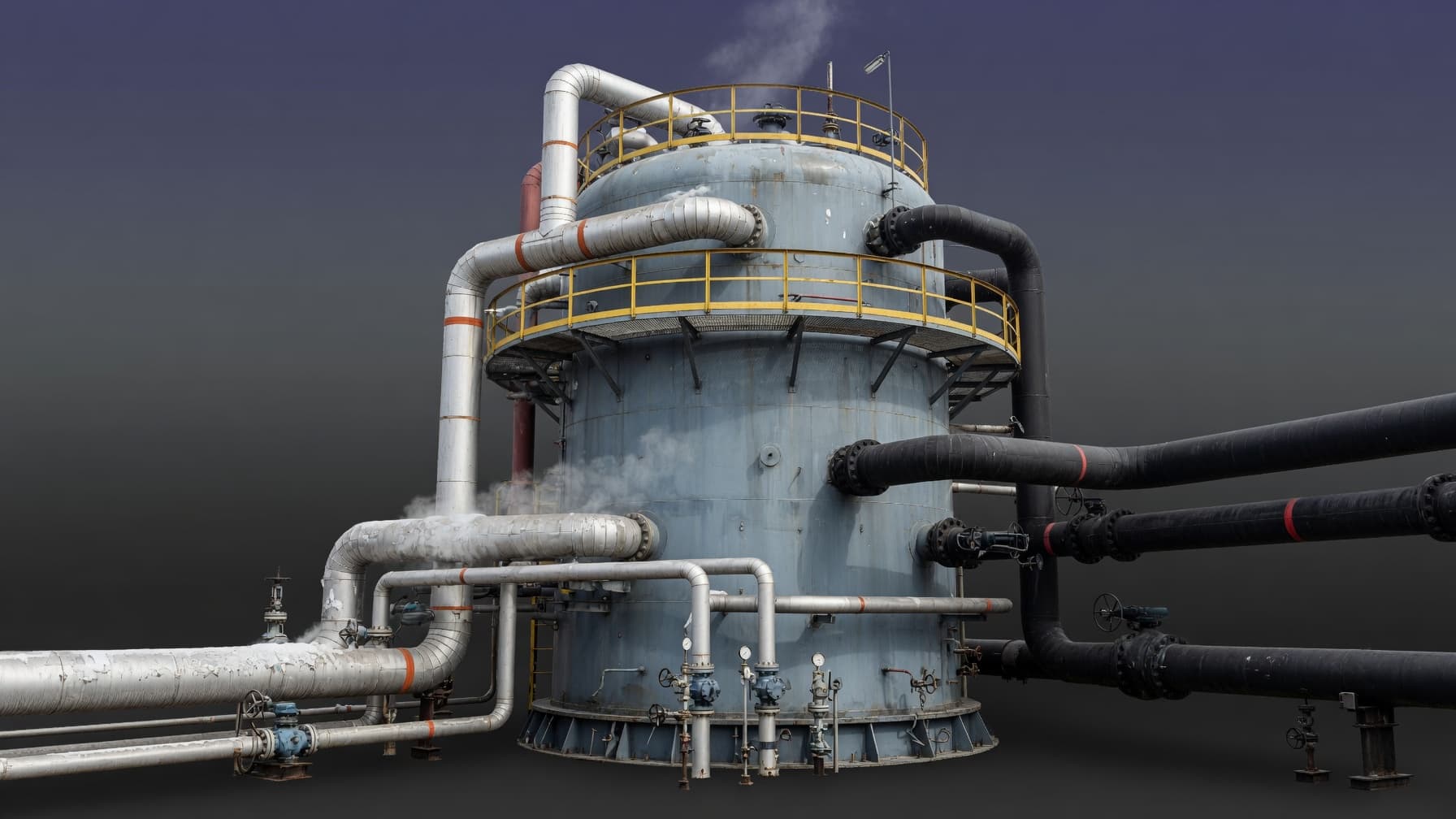
Germany's Chemical Capacity Utilization Stuck at 75.1%: What VCI's Unprofitable Threshold Means for Buyers
German chemical capacity utilization improved slightly to 75.1% but remains below the level needed for profitable production. With VCI expecting output to fall again across 2026, procurement teams should prepare for restructuring, reduced local availability and greater import dependence.
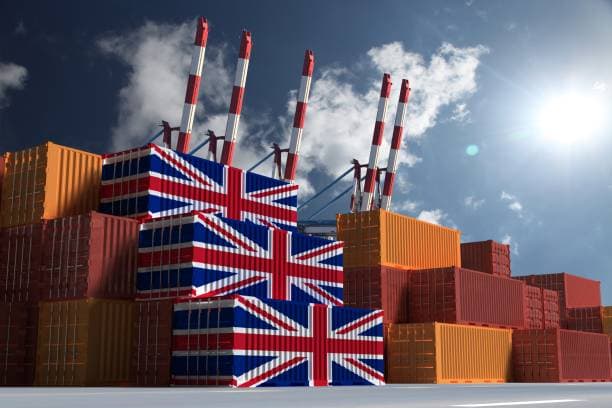
UK Joins Hormuz Escort Coalition to Secure Gulf Chemical Trade
The UK’s entry into the Hormuz escort coalition is set to slash war‑risk insurance costs and strengthen supply chains for Gulf‑origin chemical imports in H2 2026. By bolstering maritime security, Britain can ensure safer, more reliable logistics for its critical chemical sector.
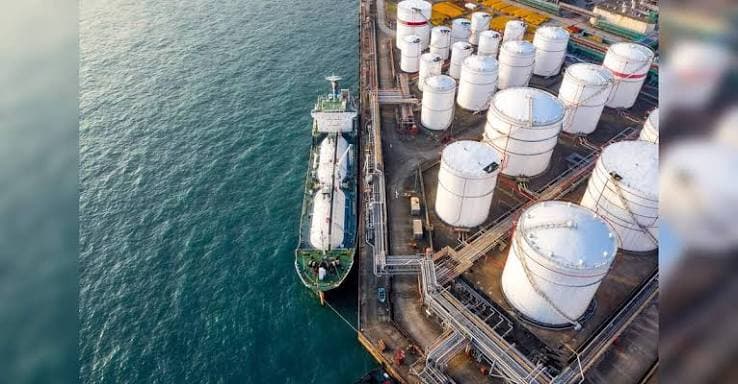
The 1,550-Vessel Backlog and the Convoy Exit Queue: How Long Will It Take to Clear?
Although vessel movements through the Strait of Hormuz are increasing, the shipping backlog accumulated during the crisis remains substantial. Understanding convoy throughput and queue management provides buyers with a more realistic timeline for delayed chemical cargo arrivals during H2 2026.
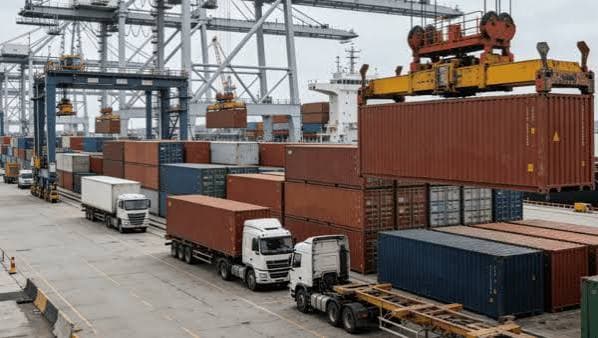
Food Ingredient Logistics: Cape Routing BAF Reset and What July Freight Relief Looks Like
The July 1 bunker adjustment factor reset marks the first measurable freight cost relief for food ingredient buyers since the 2026 shipping crisis began. Procurement teams importing under CIF or CFR terms should use this week’s freight surcharge reduction as leverage to renegotiate H2 supplier pricing.
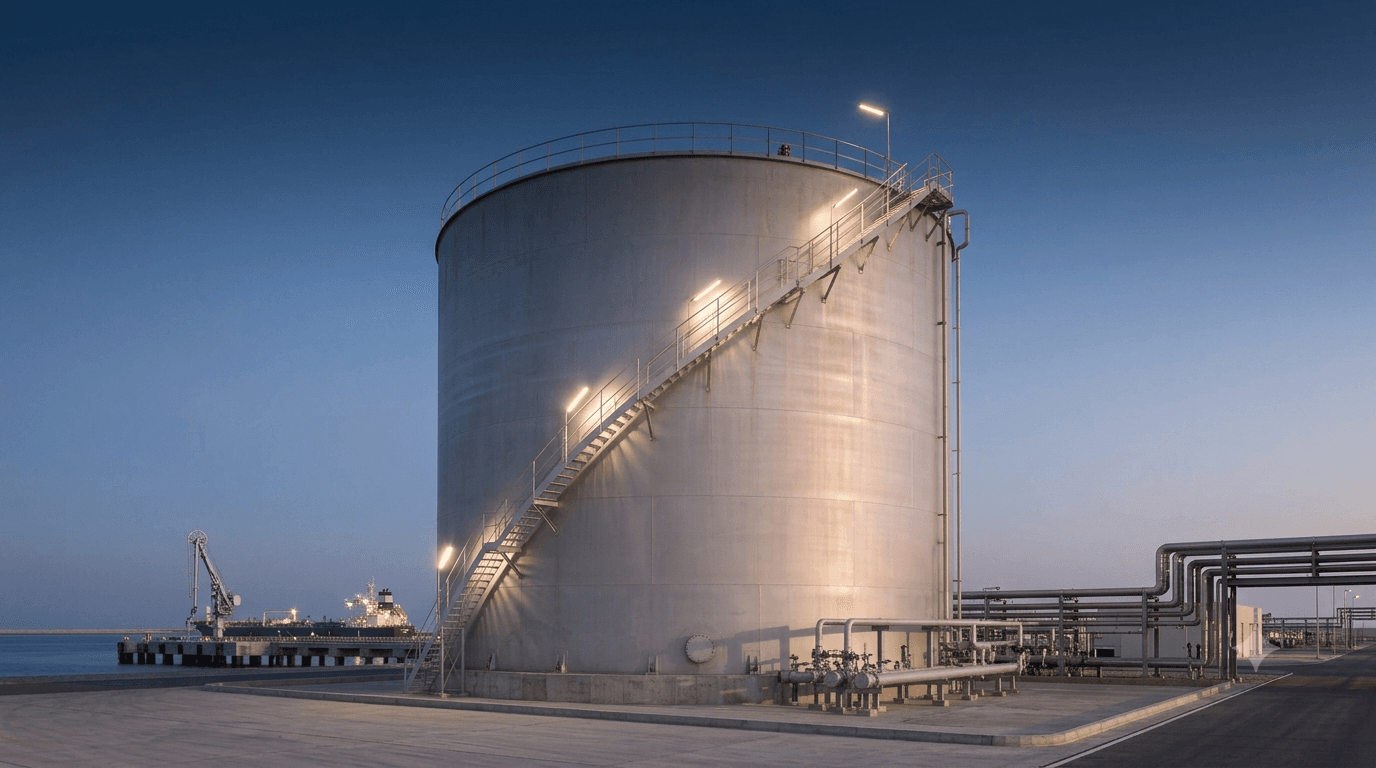
Thailand's Emergency Fuel Export Ban: A Case Study in Downstream Chemical Disruption and Supply Chain Risk
Thailand's emergency fuel export ban highlighted how government intervention can rapidly disrupt downstream chemical supply chains. Procurement teams that rely on Thai petrochemical exports can use this case to strengthen sourcing strategies and reduce exposure to sudden market shocks.
Don't miss out on our updates! Subscribe to our newsletter now
We're committed to your privacy. Tradeasia uses the information you provide to us to contact you about our relevant content, products, and services. For more information, check out our privacy policy.