
Ferrous Sulphate Heptahydrate (99.5%) - India CAS: 7782-63-0
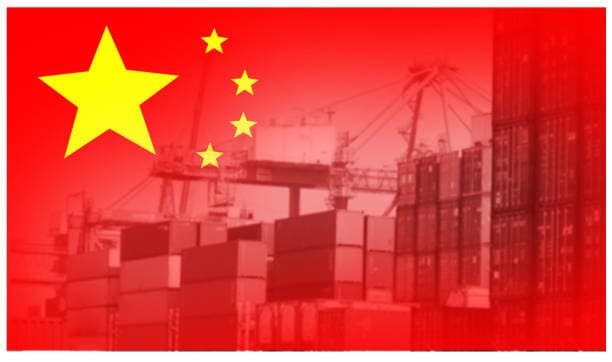
China’s early 2025 export curbs are reshaping global fertilizer flows into 2026, forcing shippers to rethink routes, sourcing and inventory. The ripple effects touch every corner of the supply chain, from African farms to European ports.

Supplier ownership changes can create unexpected challenges for Scope 3 emissions reporting under the Corporate Sustainability Reporting Directive. This guide explains how procurement and sustainability teams should manage supplier data continuity following ownership transfers.

Tropical Storm Arthur’s July 1 Texas landfall is creating short-term supply chain risk for US food manufacturers dependent on Gulf Coast chemical production. Even temporary disruption at Eastman, Celanese, and regional logistics hubs could affect July deliveries of critical food-grade chemicals and processing aids.

Asian petrochemical producers are reshaping their naphtha sourcing strategies after major supply disruptions exposed concentration risks. This analysis explains why diversified procurement has become a long-term competitive advantage for buyers across the region.
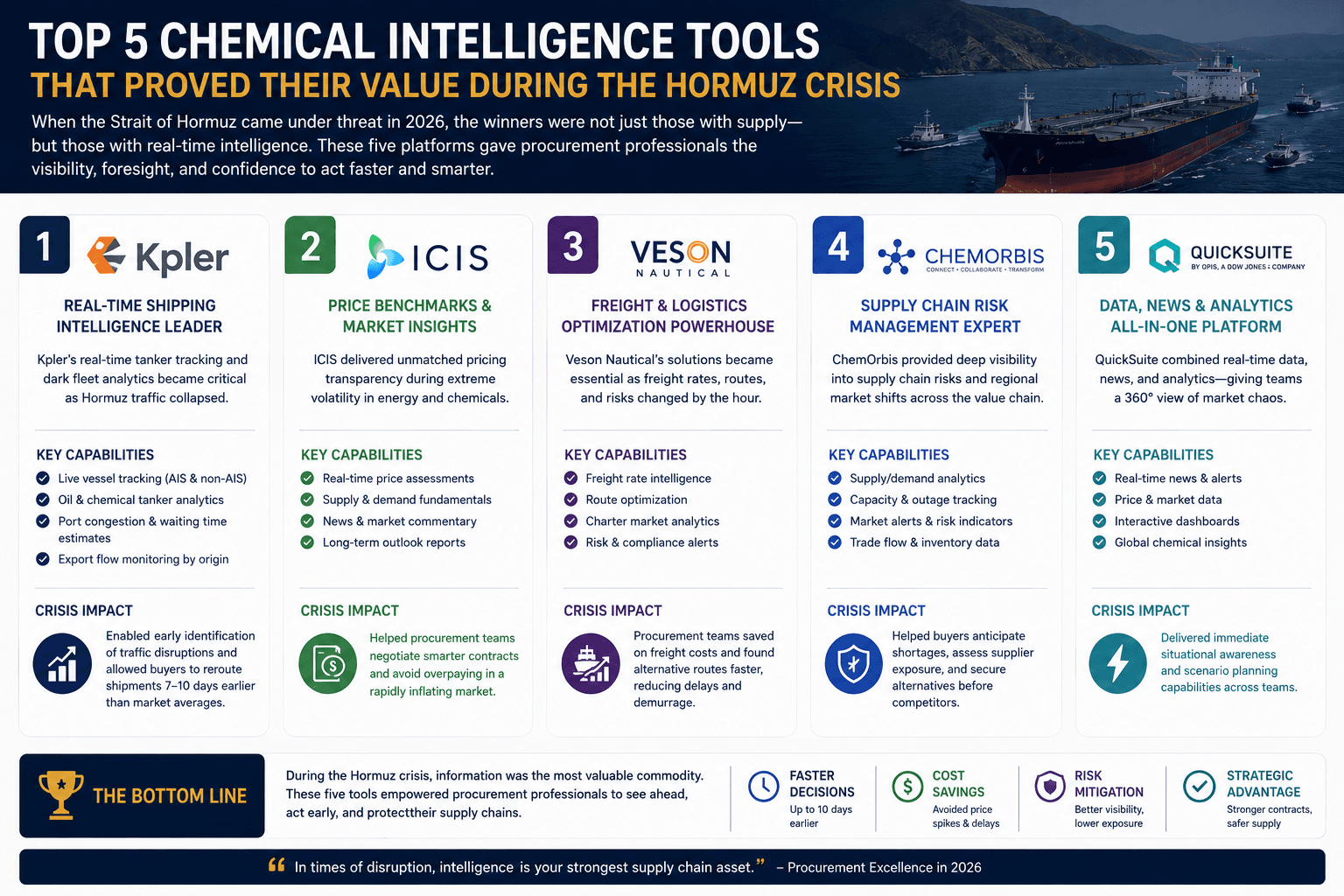
The 2026 Hormuz crisis proved that traditional procurement systems are no longer enough during global supply chain disruption. Tools like Straits.live, ICIS, Xeneta, Kpler, and IMF PortWatch gave chemical buyers the real-time intelligence needed to make faster and smarter procurement decisions when conventional supplier communication failed.

Pharmaceutical solvent markets are entering H2 2026 with improving feedstock economics and stabilizing crude oil prices. This creates an ideal procurement window for pharmaceutical manufacturers to secure long-term solvent supply agreements before potential market volatility returns.
We're committed to your privacy. Tradeasia uses the information you provide to us to contact you about our relevant content, products, and services. For more information, check out our privacy policy.