
Related Insights

IMO Urges Ships to Sidestep Hormuz Amid Crew Safety Concerns
The International Maritime Organization has issued a stern warning for vessels to avoid the Strait of Hormuz until crew safety can be assured. This directive raises immediate questions for chemical tankers, Gulf shipping routes, and global supply chains. In this article we break down the implications and explore how operators can adapt.
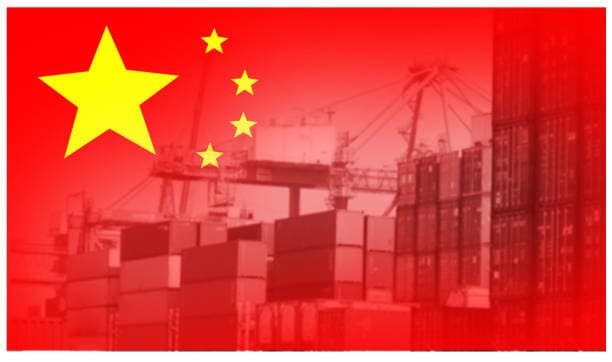
China's 2025 Export Restrictions Still Echo Through 2026 Fertilizer Logistics
China’s early 2025 export curbs are reshaping global fertilizer flows into 2026, forcing shippers to rethink routes, sourcing and inventory. The ripple effects touch every corner of the supply chain, from African farms to European ports.

Hormuz Transit Data: The Fourth Saudi Phosphate Cargo Clears
Explore what the successful transit of a fourth Saudi phosphate cargo through the Strait of Hormuz reveals about regional shipping conditions and fertilizer supply continuity.

TSCA Cybersecurity and Chemical Plant Reporting: The Iranian PLC Advisory's Compliance Implications
Cybersecurity is increasingly intersecting with environmental compliance and operational governance in the chemical industry. Understanding how cyber risk influences facility compliance helps procurement, sustainability and regulatory teams strengthen supplier oversight.

July 2 Pharma Chemical Brief: Supply Chain Signals & Risk
This weekly brief highlights Gulf logistics recovery, structural helium constraints, rising GLP‑1 solvent demand, shifting polymer duties in India, and imminent EU regulatory updates. Procurement teams must adjust sourcing strategies to navigate these evolving risks and opportunities.
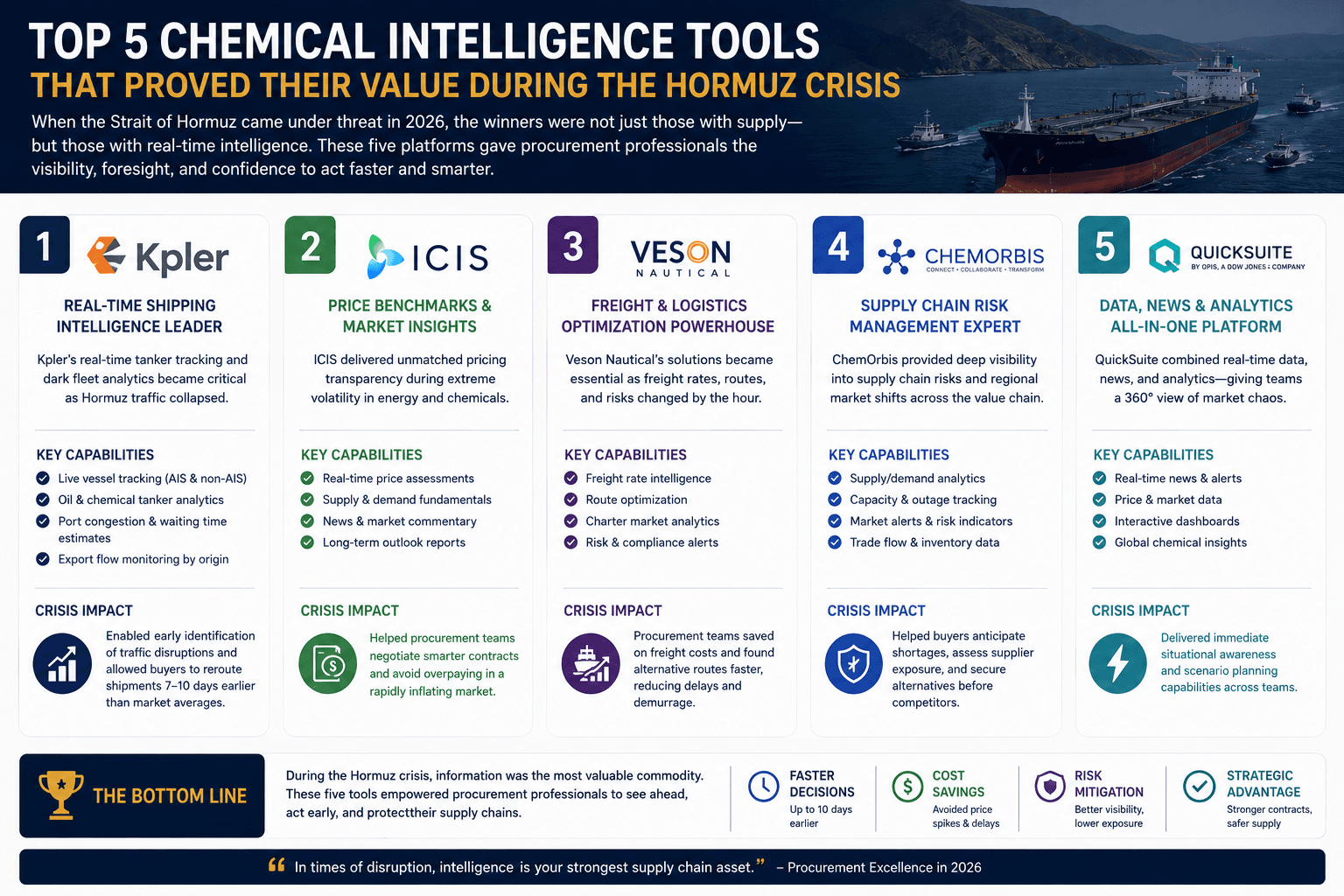
Top 5 Chemical Intelligence Tools That Proved Their Value During the Hormuz Crisis
The 2026 Hormuz crisis proved that traditional procurement systems are no longer enough during global supply chain disruption. Tools like Straits.live, ICIS, Xeneta, Kpler, and IMF PortWatch gave chemical buyers the real-time intelligence needed to make faster and smarter procurement decisions when conventional supplier communication failed.
Don't miss out on our updates! Subscribe to our newsletter now
We're committed to your privacy. Tradeasia uses the information you provide to us to contact you about our relevant content, products, and services. For more information, check out our privacy policy.