


Related Insights

Trump's Hormuz Toll Reversal: Why Rapid Policy Changes Matter for Chemical Compliance Teams
The withdrawal of the proposed 20% Hormuz cargo fee only days after it was announced highlights how quickly trade policy can change. Chemical procurement and compliance teams should document policy shifts and maintain flexible compliance processes to reduce operational risk.
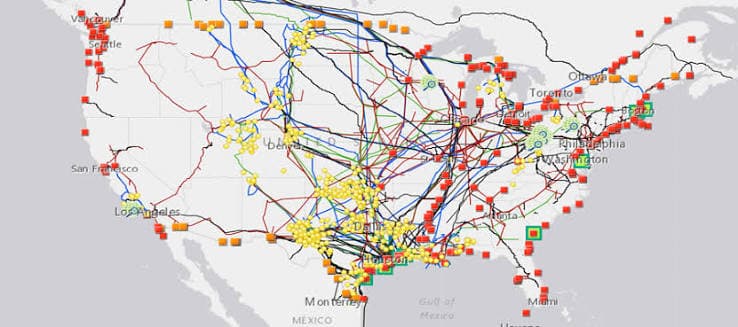
The Deloitte Investment Attractiveness Index: Which Countries Are Rated as Top Chemical Investment Destinations
Choosing where to build a chemical plant has become significantly more complex than comparing feedstock costs alone. Modern investment decisions balance economics, logistics, regulation, infrastructure and geopolitical resilience. Understanding these factors helps procurement professionals anticipate where future global chemical capacity is most likely to be built.

Sorbitol: China's Old-Crop Supply Window and Why July Is the Contracting Sweet Spot
July 2026 presents a rare procurement opportunity for sorbitol buyers as stable Chinese feedstock costs, Thailand’s seasonal production gap, and easing freight rates combine to create one of the most attractive contracting windows of H2. Buyers with second-half demand requirements should act before supplier

Citric Acid H2 2026 Contracts: Why July Creates a Strategic Procurement Opportunity
Freight conditions are changing rapidly for global citric acid buyers as shipping routes recover and logistics costs begin to ease. Procurement teams negotiating H2 2026 contracts have a short opportunity to secure improved delivered pricing before freight adjustments spread across the market.
Caustic Soda Supply Recovery: Gulf Competition Returns to Asian Markets in Q3 2026
Gulf caustic soda supply is returning as Hormuz trade flows recover, creating new competition for Asian chemical suppliers. This analysis explains how buyers can prepare for changing pricing and sourcing options in Q3 2026.
Styrene and ABS Market Recovery in Q3 2026: Supply Returns but Procurement Risks Remain
Styrene and ABS markets are entering a recovery phase as feedstock availability improves and global production gradually increases. Procurement teams should understand how supply, regional trade and geopolitical uncertainty will influence purchasing decisions through the second half of 2026.
Don't miss out on our updates! Subscribe to our newsletter now
We're committed to your privacy. Tradeasia uses the information you provide to us to contact you about our relevant content, products, and services. For more information, check out our privacy policy.