Urea at $359/MT and Falling: What Does the Post-Hormuz MOU Mean for the Nitrogen Market?
Introduction
The global urea market in mid-2026 is experiencing a rapid price correction following the signing of the Hormuz MOU on June 17. Prices have fallen sharply to around $359/MT by June 18, down from crisis-driven peaks above $850/MT in April, reflecting a sudden easing of geopolitical risk premiums.
However, beneath this sharp decline lies a more complex reality: structural supply recovery is incomplete, and the nitrogen market is still operating under constrained fundamentals despite improving sentiment.
Price Collapse vs Structural Reality
Recent price movement:
April 2026 peak: > $850/MT
Mid-June 2026 level: ~$359/MT
Monthly decline: ~36.7% drop
Key driver:
Removal of immediate Hormuz disruption fear premium
Improved shipping sentiment after the June 17 MOU
Restart expectations for Gulf ammonia/urea exports
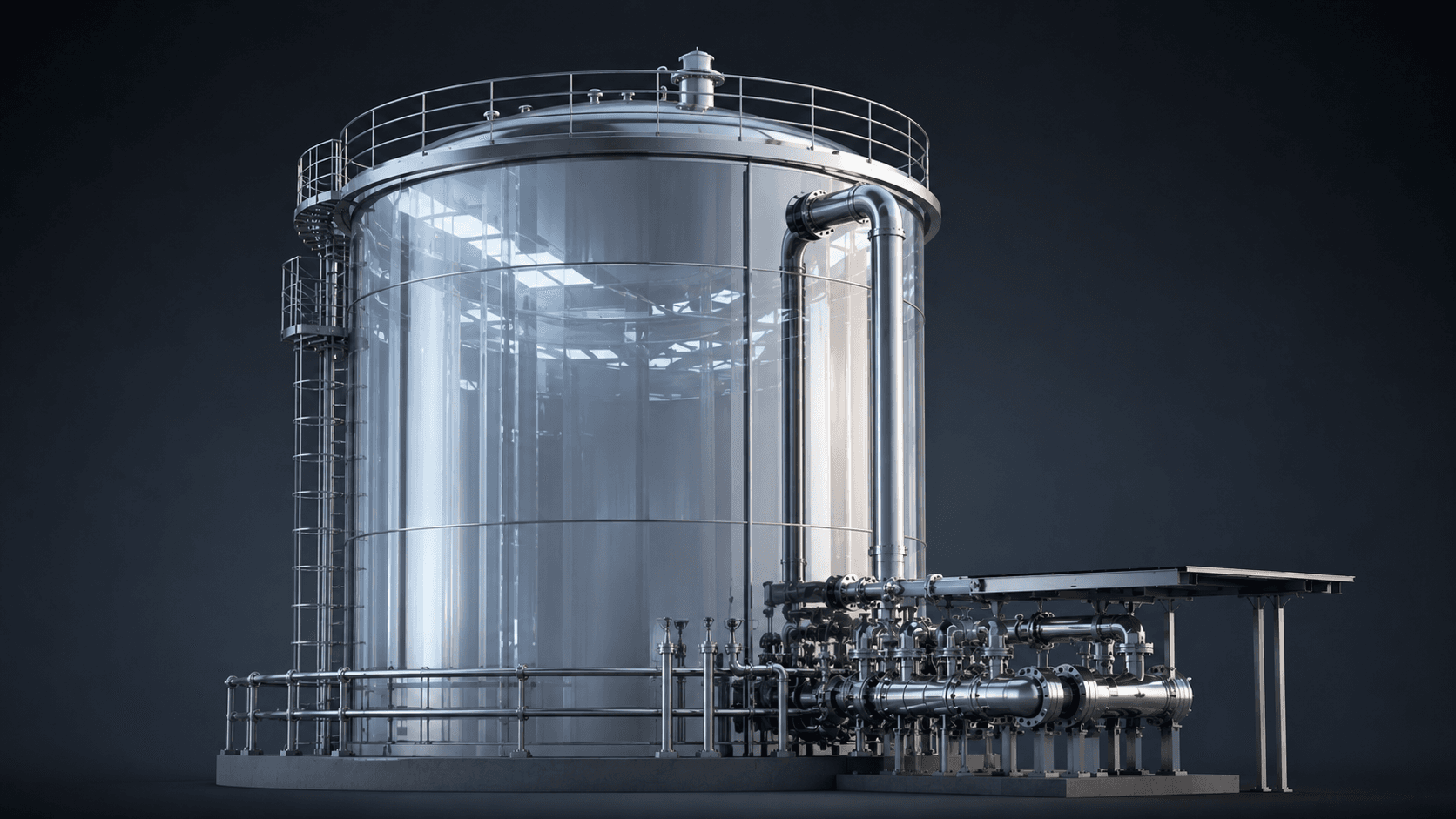
Urea (Granular) - Egypt CAS: 57-13-6
Why Supply Has Not Fully Recovered
Even though prices have fallen quickly, actual physical supply normalization is lagging.
Key constraints:
1. QatarEnergy force majeure unwind delays
QatarEnergy urea and ammonia production disruptions are still being resolved.
Export systems remain partially constrained
Contract fulfillment is gradually restarting
Full normalization may take months
2. Iranian ammonia production still halted
No meaningful return to pre-crisis export levels yet
Structural uncertainty remains in regional supply balance
3. Strait of Hormuz logistics backlog
Mine clearance estimated at ~6 months (per defense assessments)
Vessel congestion still affecting throughput
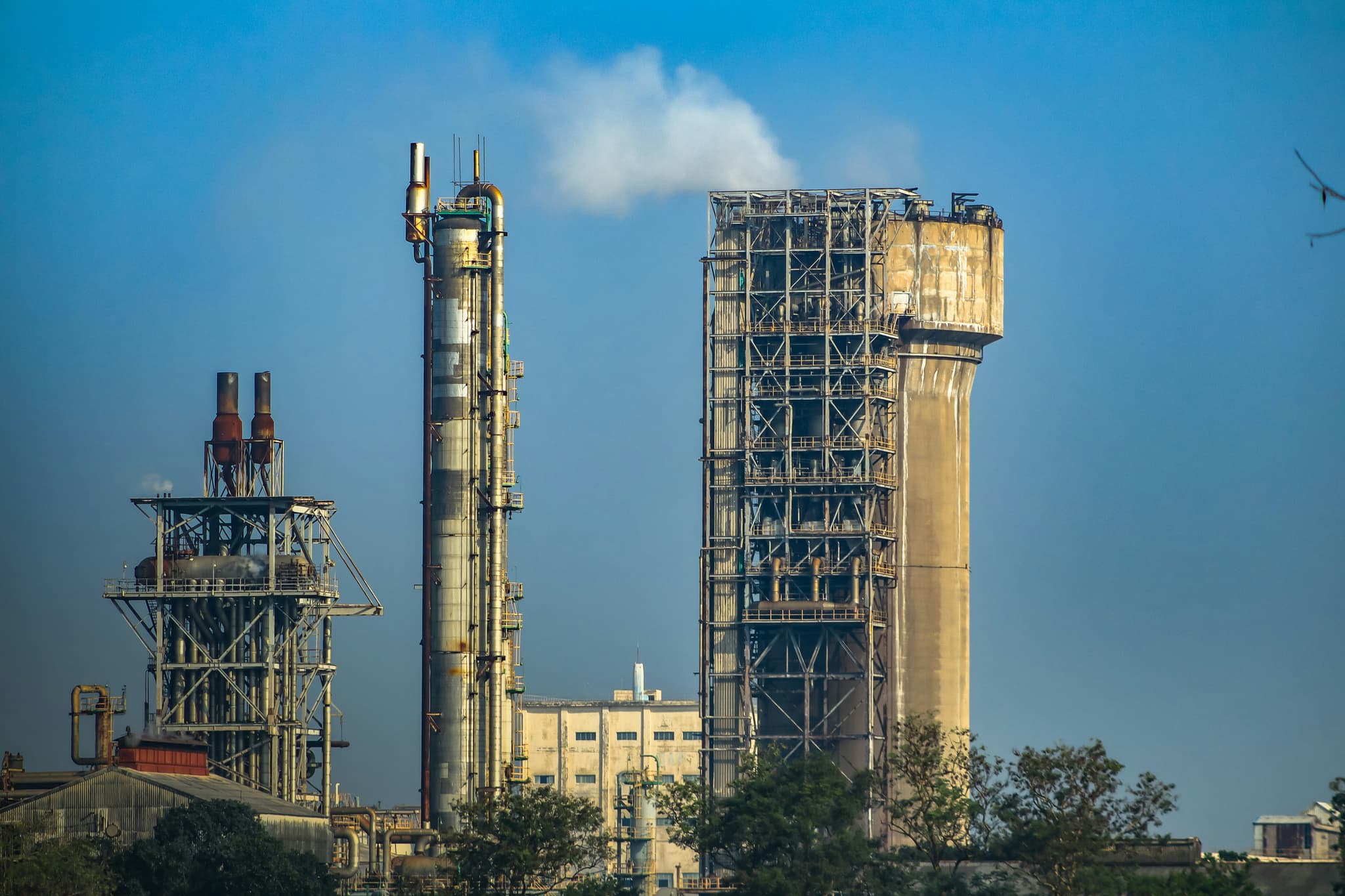
Liquid Ammonia CAS: 166412-78-8
Why Supply Has Not Fully Recovered
Even though prices have fallen quickly, actual physical supply normalization is lagging.
Key constraints:
1. QatarEnergy force majeure unwind delays
QatarEnergy urea and ammonia production disruptions are still being resolved.
Export systems remain partially constrained
Contract fulfillment is gradually restarting
Full normalization may take months
2. Iranian ammonia production still halted
No meaningful return to pre-crisis export levels yet
Structural uncertainty remains in regional supply balance
3. Strait of Hormuz logistics backlog
Mine clearance estimated at ~6 months (per defense assessments)
Vessel congestion still affecting throughput
World Bank Outlook: Higher Structural Price Floor
Despite the recent correction, long-term pricing remains elevated.
Key projection:
2026 average urea prices: ~60% higher than 2025 levels
Interpretation:
Short-term volatility is easing
Structural cost base remains elevated
Fertilizer markets have not returned to pre-crisis equilibrium
Demand Side: Seasonal Risk Still Ahead
Even with improved supply sentiment, demand cycles remain important.
Upcoming pressure point:
Southern Hemisphere planting season (August onward)
Brazil
Argentina
Australia
Expected impact:
Seasonal nitrogen demand increase
Potential tightening of global availability
Export competition among suppliers

Key Market Dynamic: “False Softness” Risk
The current price drop may create a misleading signal for buyers.
Risk scenario:
Prices fall due to sentiment recovery
Buyers delay procurement expecting further declines
Seasonal demand arrives in August
Market tightens again rapidly
Result:
Potential second price spike cycle in late Q3 2026
Supply Structure: Still Fragile but Recovering
Gulf region:
Partial restart of ammonia and urea exports
Logistics still constrained
Contract fulfillment prioritization ongoing
Asia:
Import dependency remains high
Buyers actively rebalancing sourcing strategies
Global balance:
Supply improving
But not fully normalized
Market still sensitive to disruptions
Procurement Strategy Implications
For fertilizer buyers:
1. Opportunity window exists now
Current price dip may be strategic entry point
Especially for Q3–Q4 requirements
2. Avoid over-reliance on further declines
Structural recovery is slow
Seasonal demand may reverse price trend
3. Consider staggered purchasing
Split procurement across months
Reduce exposure to volatility spikes
Role of Key Producers
QatarEnergy
Central to global ammonia and urea supply
Recovery timeline critical for global nitrogen balance
Still operating under partial constraints
Market Outlook
The nitrogen fertilizer market in mid-2026 is transitioning from crisis pricing to early-stage normalization. The rapid drop in urea prices reflects sentiment recovery following the Hormuz MOU, but physical supply chains remain constrained due to production disruptions and logistics backlogs.
The key tension in the market is between:
Sentiment-driven price decline
Structurally constrained supply recovery
Seasonal demand buildup approaching Q3
This creates a market environment where short-term softness may coexist with medium-term tightening risks.
Key Takeaways
Urea prices fell sharply to ~$359/MT after peaking above $850/MT.
The drop is driven mainly by post-MoU sentiment improvement.
Structural supply recovery remains incomplete.
QatarEnergy and regional producers are still normalizing operations.
Iranian ammonia production remains offline.
Strait of Hormuz clearance and logistics backlog persist.
World Bank projects 2026 urea prices ~60% higher than 2025 average.
Seasonal demand in August may tighten markets again.
Current price dip may represent a strategic buying window.Why Supply Has Not Fully Recovered
Even though prices have fallen quickly, actual physical supply normalization is lagging.
Key constraints:
1. QatarEnergy force majeure unwind delays
QatarEnergy urea and ammonia production disruptions are still being resolved.
Export systems remain partially constrained
Contract fulfillment is gradually restarting
Full normalization may take months
2. Iranian ammonia production still halted
No meaningful return to pre-crisis export levels yet
Structural uncertainty remains in regional supply balance
3. Strait of Hormuz logistics backlog
Mine clearance estimated at ~6 months (per defense assessments)
Vessel congestion still affecting throughput
World Bank Outlook: Higher Structural Price Floor
Despite the recent correction, long-term pricing remains elevated.
Key projection:
2026 average urea prices: ~60% higher than 2025 levels
Interpretation:
Short-term volatility is easing
Structural cost base remains elevated
Fertilizer markets have not returned to pre-crisis equilibrium

Demand Side: Seasonal Risk Still Ahead
Even with improved supply sentiment, demand cycles remain important.
Upcoming pressure point:
Southern Hemisphere planting season (August onward)
Brazil
Argentina
Australia
Expected impact:
Seasonal nitrogen demand increase
Potential tightening of global availability
Export competition among suppliers
Key Market Dynamic: “False Softness” Risk
The current price drop may create a misleading signal for buyers.
Risk scenario:
Prices fall due to sentiment recovery
Buyers delay procurement expecting further declines
Seasonal demand arrives in August
Market tightens again rapidly
Result:
Potential second price spike cycle in late Q3 2026

Supply Structure: Still Fragile but Recovering
Gulf region:
Partial restart of ammonia and urea exports
Logistics still constrained
Contract fulfillment prioritization ongoing
Asia:
Import dependency remains high
Buyers actively rebalancing sourcing strategies
Global balance:
Supply improving
But not fully normalized
Market still sensitive to disruptions
Procurement Strategy Implications
For fertilizer buyers:
1. Opportunity window exists now
Current price dip may be strategic entry point
Especially for Q3–Q4 requirements
2. Avoid over-reliance on further declines
Structural recovery is slow
Seasonal demand may reverse price trend
3. Consider staggered purchasing
Split procurement across months
Reduce exposure to volatility spikes
Role of Key Producers
QatarEnergy
Central to global ammonia and urea supply
Recovery timeline critical for global nitrogen balance
Still operating under partial constraints
Market Outlook
The nitrogen fertilizer market in mid-2026 is transitioning from crisis pricing to early-stage normalization. The rapid drop in urea prices reflects sentiment recovery following the Hormuz MOU, but physical supply chains remain constrained due to production disruptions and logistics backlogs.
The key tension in the market is between:
Sentiment-driven price decline
Structurally constrained supply recovery
Seasonal demand buildup approaching Q3
This creates a market environment where short-term softness may coexist with medium-term tightening risks.
Key Takeaways
Urea prices fell sharply to ~$359/MT after peaking above $850/MT.
The drop is driven mainly by post-MoU sentiment improvement.
Structural supply recovery remains incomplete.
QatarEnergy and regional producers are still normalizing operations.
Iranian ammonia production remains offline.
Strait of Hormuz clearance and logistics backlog persist.
World Bank projects 2026 urea prices ~60% higher than 2025 average.
Seasonal demand in August may tighten markets again.
Current price dip may represent a strategic buying window.