


Deoiled Rice Bran

Prolonged geopolitical disruption is increasing the likelihood of force majeure declarations across energy and chemical supply chains. Procurement and legal teams should review contracts, supplier obligations and contingency plans before disruptions escalate.

Bangladesh’s Aman rice season has begun, making nitrogen fertilizer availability a national priority. The limited convoy slots from Gulf suppliers force the Bangladesh Chemical Industries Corporation (BCIC) into a high‑stakes race against regional competitors. Delays could trigger a critical fertilizer shortfall for a country feeding over 170 million people.
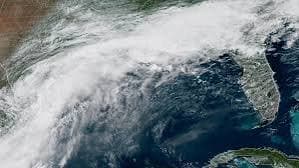
Tropical Storm Arthur’s July 1 Texas landfall is creating short-term supply chain risk for US food manufacturers dependent on Gulf Coast chemical production. Even temporary disruption at Eastman, Celanese, and regional logistics hubs could affect July deliveries of critical food-grade chemicals and processing aids.

Qatar sits at the crossroads of geopolitical uncertainty and commercial strain as US‑Iran talks stall and LNG disruptions persist. Chemical buyers now question whether QatarEnergy can honour investment plans and restore export flows while QAFCO navigates force majeure timelines. The outcome will reshape ammonia, urea, and fertilizer pricing across Asia.
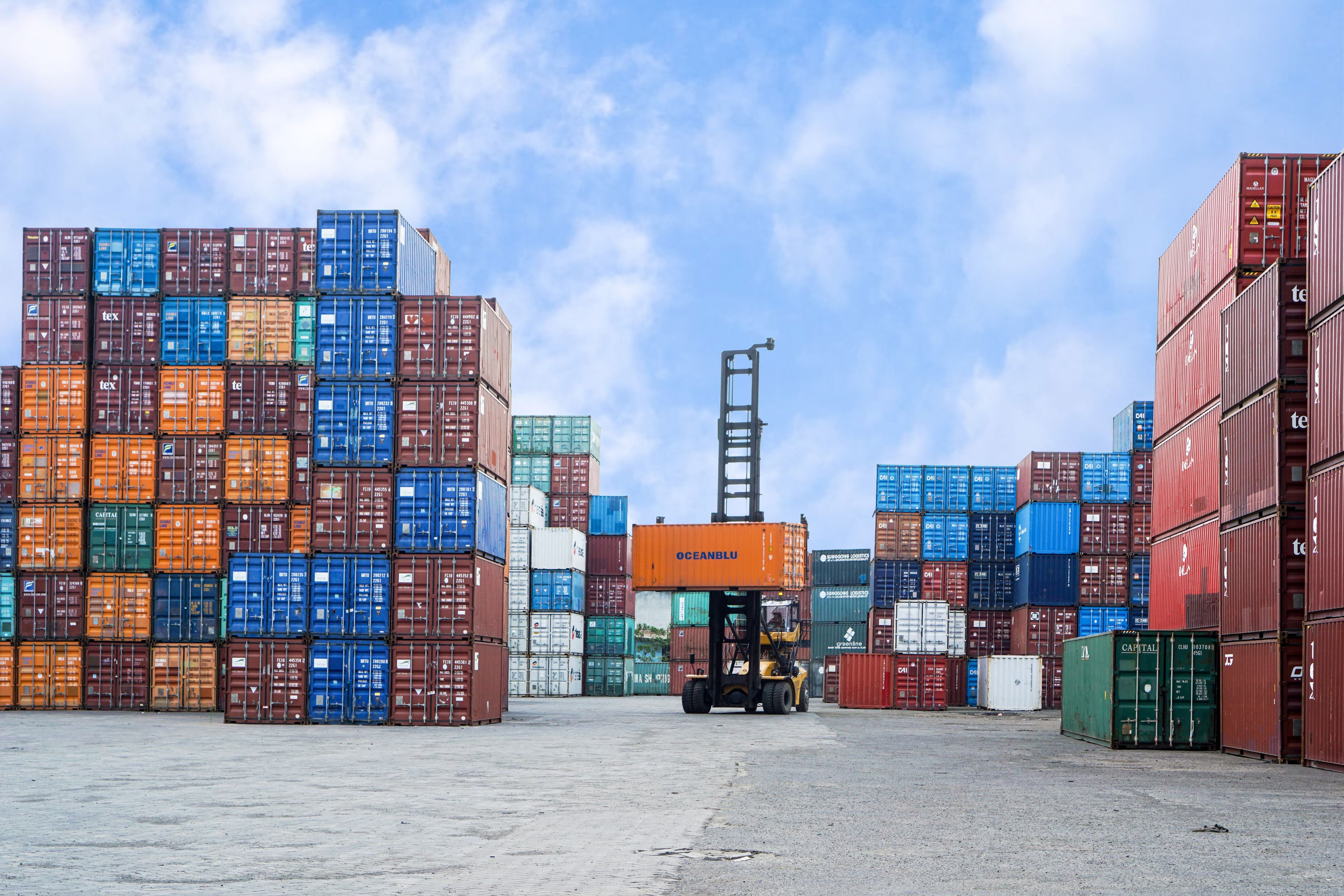
Brent crude price stability at $74.06 is giving chemical buyers a temporary reference point for Q3 contract planning. Procurement teams are watching energy markets closely as Gulf supply risks continue to influence commodity chemical pricing.

The 2026 Hormuz crisis transformed chemical procurement into an intelligence-driven function. Platforms like ICIS, Kpler, Xeneta, and ChemAnalyst are now essential tools helping procurement teams track prices, shipping disruption, freight rates, and supply risk in real time.
We're committed to your privacy. Tradeasia uses the information you provide to us to contact you about our relevant content, products, and services. For more information, check out our privacy policy.