

Related Insights

US Potash Risk: Why Canadian Tariff Exposure Still Worries Buyers Despite No Direct Restrictions
Canadian potash tariff uncertainty continues to shape U.S. buyers’ procurement decisions and pricing expectations, even though no formal trade barriers have been imposed. This article explores the lingering risk, its impact on supply chains, and strategic responses adopted by the industry.
Jordan API Supply: Post-Crisis Recovery Assessment for Antibiotic Procurement Teams
Jordan's pharmaceutical API exports are showing signs of recovery as regional shipping conditions improve. Buyers dependent on antibiotic APIs should use July to verify logistics, rebuild inventories and secure Q3 supply agreements. This guide evaluates logistics recovery, procurement risks and outlines actionable Q3 sourcing strategies.
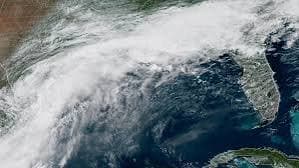
Tropical Storm Arthur and Domestic US Food Ingredient Supply: What Gulf Coast Chemical Disruption Affects
Tropical Storm Arthur’s July 1 Texas landfall is creating short-term supply chain risk for US food manufacturers dependent on Gulf Coast chemical production. Even temporary disruption at Eastman, Celanese, and regional logistics hubs could affect July deliveries of critical food-grade chemicals and processing aids.
GLP-1 Peptide Manufacturing: TFA Supply Tightness After Solvay's European Closure
Trifluoroacetic acid has become a strategic procurement priority for GLP-1 peptide manufacturing following Solvay's European production closure. Pharmaceutical buyers should reassess sourcing strategies as Indian CDMO demand accelerates faster than supply growth.

India Duty Waiver Expiry: Impact on Petrochemical Imports and Chemical Buyers
India duty waiver expiry is creating urgent decisions for chemical importers and manufacturers as the customs exemption deadline approaches. Buyers must assess possible cost increases across key petrochemical products and adjust Q3 sourcing strategies.
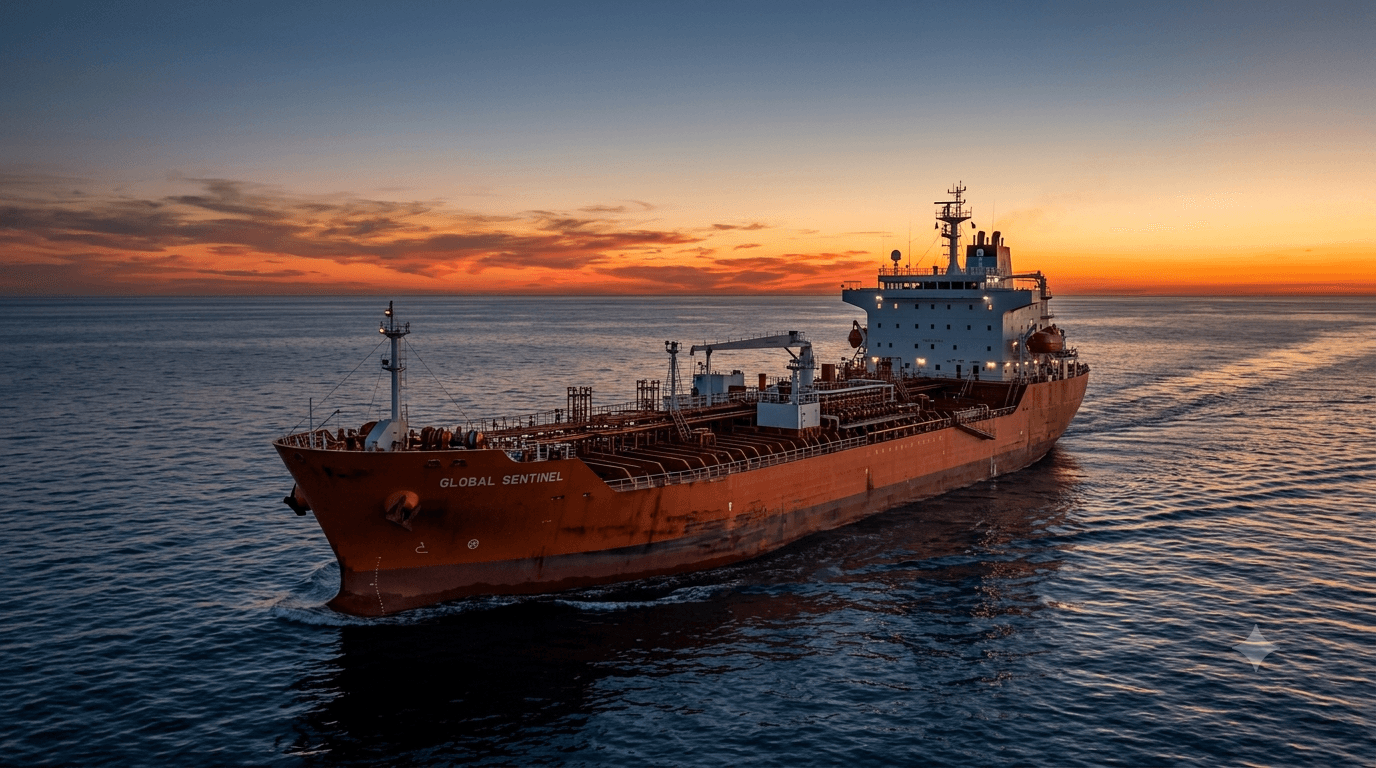
War Risk Insurance for Hormuz Transits: Why Premiums Remain High Despite Supply Recovery in H1 2026
War risk insurance has become one of the biggest cost drivers for Gulf chemical shipments in H1 2026. This review explains why premiums remain elevated even as physical exports recover and what procurement teams should expect during H2 2026.
Don't miss out on our updates! Subscribe to our newsletter now
We're committed to your privacy. Tradeasia uses the information you provide to us to contact you about our relevant content, products, and services. For more information, check out our privacy policy.