
Cetyl Palmitate CAS: 0540-10-3
Cetyl Palmitate CAS: 0540-10-3
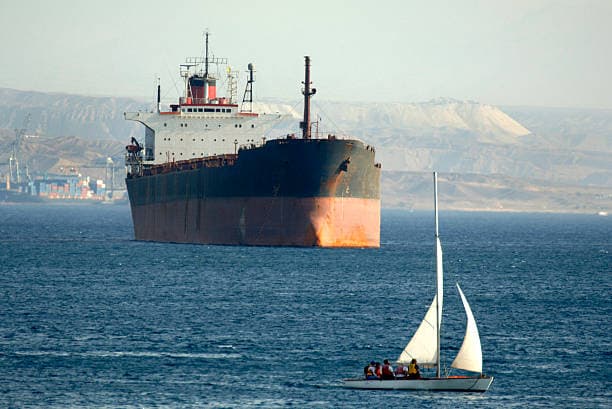
The Cape of Good Hope is emerging as the fallback route for chemical shipping as security risks in the Red Sea grow. This shift reshapes freight routes and impacts tanker logistics worldwide. Discover how maritime trade is adapting to new threats.
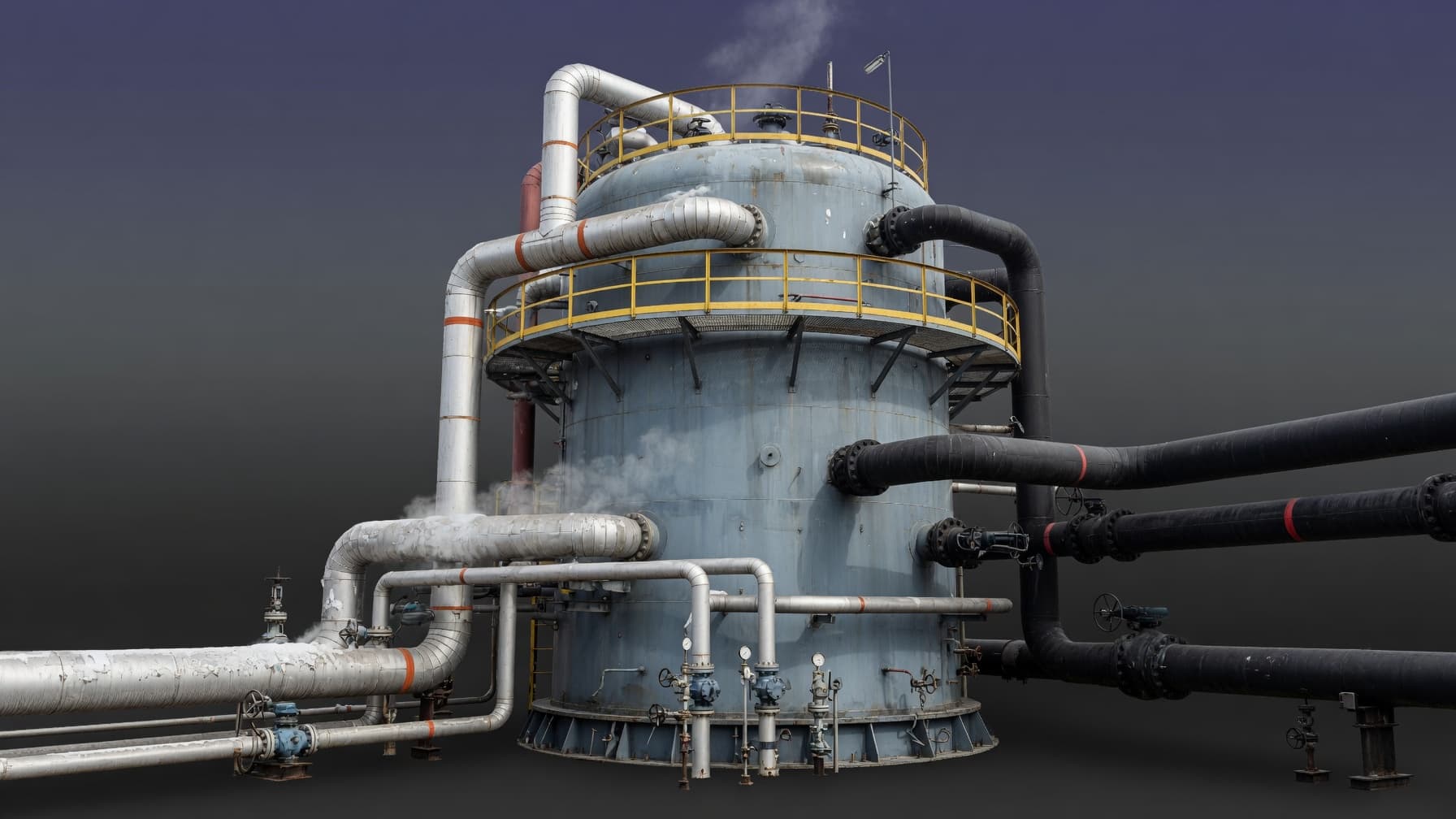
German chemical capacity utilization improved slightly to 75.1% but remains below the level needed for profitable production. With VCI expecting output to fall again across 2026, procurement teams should prepare for restructuring, reduced local availability and greater import dependence.

South Korea enters H2 2026 with the formal wind-down of force majeure declarations across its petrochemical sector. As producers and buyers negotiate contract reinstatements, legal interpretation and commercial strategy are becoming as important as recovering production volumes.
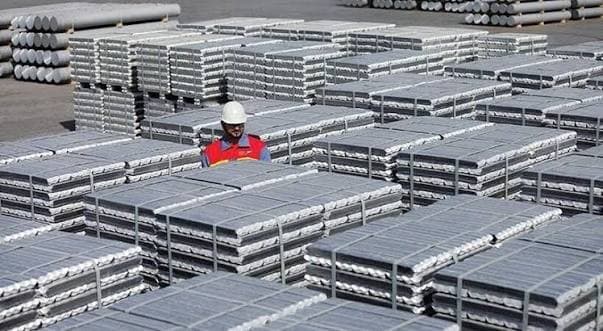
The 2026 Hormuz crisis stranded two of the world’s largest aluminium smelters — Emirates Global Aluminium and Alba Bahrain — quietly disrupting global supply for automotive, aerospace, and packaging manufacturers. With Gulf shipping conditions improving, aluminium logistics may recover faster than petrochemical markets in early H2 2026.

Oman's proposal for maritime-services charges introduces a very different scenario from a geopolitical transit toll. Chemical buyers and logistics teams should understand how each approach could affect freight costs, compliance obligations and long-term sourcing decisions.
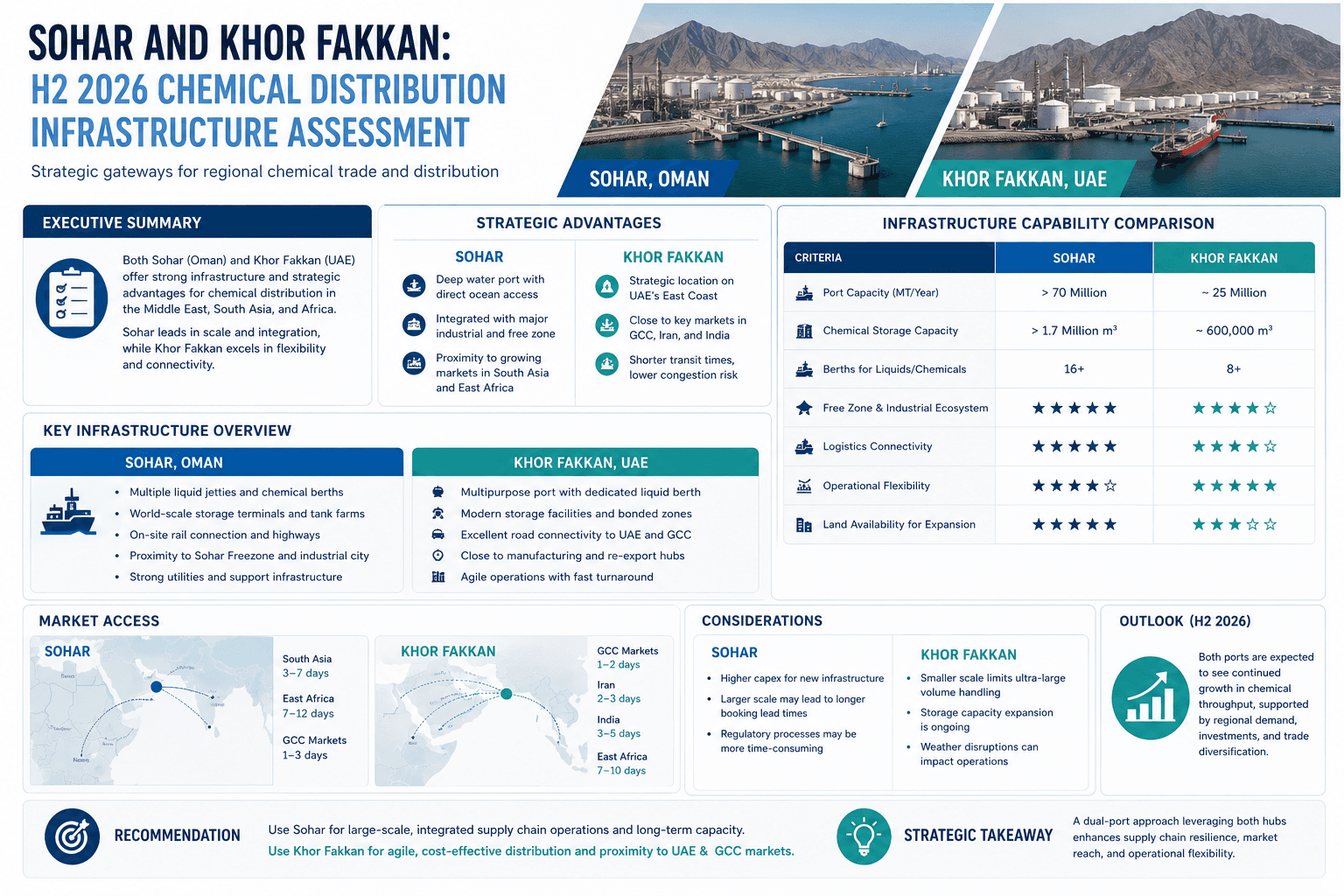
Sohar and Khor Fakkan have emerged as permanent Gulf chemical distribution hubs after the Hormuz crisis disrupted traditional routes. Chemical buyers should now verify exactly where supplier cargo loads, as port selection directly affects insurance costs, lead times, and shipment risk.
We're committed to your privacy. Tradeasia uses the information you provide to us to contact you about our relevant content, products, and services. For more information, check out our privacy policy.